
As your energy needs continue to grow, ensuring a stable and efficient electricity supply becomes critical. Whether you are managing a business, an industrial facility, or simply relying on electricity at home, consistent power is essential for your operations and comfort. Yet, outdated transmission infrastructure, increasing renewable energy integration, and unpredictable weather events can put your power supply at risk.
This is where a robust transmission grid solution can make a real difference for you. A well-designed grid ensures that your electricity is delivered reliably while supporting the expansion of clean and sustainable energy. In this article, you will learn how modern transmission grids work, the challenges they address, and the strategies you can expect to see implemented to keep your power consistent and reliable.
Understanding Transmission Grids
What Is a Transmission Grid?
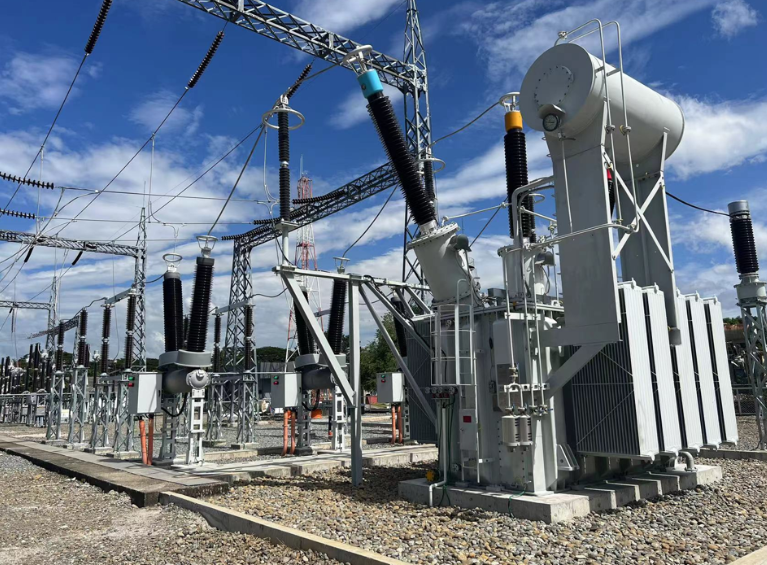
A transmission grid is the network of high-voltage power lines and substations that carry electricity from power plants to the local networks that power your home, office, or facility. Unlike local distribution lines, which deliver electricity directly to you, transmission grids handle large-scale power transfer over long distances.
Transmission grids are the backbone of your electricity system. Without them, power plants cannot deliver energy efficiently, which could result in frequent outages and higher operational costs for your operations.
Key Components of a Reliable Grid
- High-Voltage Transmission Lines – Carry electricity over long distances with minimal energy loss, ensuring your supply remains stable.
- Substations – Convert high-voltage electricity to the levels your home or business can use.
- Transformers – Adjust voltage levels between transmission and distribution networks to maintain consistent power.
- Protection Systems – Detects faults and isolates affected areas so your supply is not disrupted.
- Control Centers – Monitor your grid’s performance in real time, allowing operators to respond quickly to fluctuations and prevent outages.
Modern grids also use digital monitoring, predictive maintenance, and remote management to make sure your electricity reaches you without interruption.
Challenges in Building Reliable Transmission Grids
Rising Energy Demand
Your electricity needs are growing every year, driven by more devices, industrial operations, and the electrification of transportation. Traditional grids were not designed for this rapid expansion, which can lead to bottlenecks, voltage fluctuations, and blackouts that affect your daily life or business.
For example, during heatwaves or extreme cold, your electricity demand may spike sharply. Without sufficient transmission capacity, your supply could become unreliable, impacting your comfort, productivity, or operations.
Integration of Renewable Energy
Renewable energy sources like solar and wind are variable by nature. A reliable transmission grid solution helps ensure that your electricity remains consistent, even when the sun isn’t shining or the wind isn’t blowing.
This is achieved by:
- Energy storage systems, such as large-scale batteries, that store excess electricity for when you need it.
- Smart grid technologies that automatically balance supply and demand, keeping your electricity stable.
- Advanced forecasting tools that predict renewable output, so your power supply is never unexpectedly interrupted.
Aging Infrastructure
Many regions rely on equipment that is decades old. Old lines, transformers, and control systems increase the risk that your power supply could fail. Replacing or upgrading these systems ensures that your electricity remains reliable.
Upgrades include reinforcing towers, replacing conductors with higher-capacity lines, and adding digital monitoring so problems are detected before they affect you.
Environmental and Regulatory Considerations
Building new transmission lines requires careful planning to comply with environmental regulations and minimize disruption to your surroundings. For your benefit, this includes:
- Engaging local stakeholders early in the planning process.
- Using existing routes whenever possible to reduce land disturbance.
- Choosing materials and designs that reduce energy loss and support cleaner power for you.
These practices ensure that your new grid infrastructure is both sustainable and socially responsible.
Strategies for Reliable Transmission Grid Development
Advanced Monitoring and Control Systems
Smart sensors and automated control systems allow operators to respond quickly to issues before they impact your electricity. For example, if a line overheats, the system can reroute power so your supply is uninterrupted.
Grid Redundancy
Redundant pathways ensure that if one line or substation fails, your electricity continues to flow. This means you won’t experience disruptions even during maintenance or unexpected outages.
Modular and Scalable Design
Modern grids are designed to grow with your needs. Modular substations and flexible transmission lines allow your network to expand without requiring a full overhaul. This approach reduces costs and ensures your electricity supply can handle new devices, electric vehicles, or growing operations.
Renewable Integration Strategies
Energy storage and forecasting tools make sure that your electricity supply remains stable, even with renewable energy fluctuations. Microgrids and distributed energy resources provide localized support, so your home or business is less dependent on a single source.
Collaboration with Industry Leaders
Partnering with industry leaders ensure you benefit from proven technologies and innovative solutions. Their smart grid automation solutions improve efficiency and help make your electricity supply more reliable.
Real-World Applications
Urban Centers
In busy cities, your power demand can fluctuate rapidly. Smart grids dynamically adjust supply so your electricity remains stable, keeping your home, office, or business running smoothly.
Industrial Zones
For your manufacturing or production facility, uninterrupted power is critical. Transmission grids designed for high capacity and redundancy help prevent costly downtime that can affect your operations.
Rural and Remote Areas
Even if you live far from city centers, modern grids combined with localized renewable resources ensure your electricity is reliable. This gives you consistent access to power and supports local development.
Benefits of a Robust Transmission Grid Solution
- Improved Reliability – Your electricity remains stable with fewer outages.
- Enhanced Efficiency – Less energy is lost, lowering your costs and environmental impact.
- Renewable Readiness – Supports solar, wind, and other clean sources that benefit you.
- Scalability – Your grid can grow with your future needs.
- Economic Growth – Reliable power supports your business or community growth.
- Environmental Sustainability – Your electricity comes from cleaner sources, reducing your carbon footprint.
By implementing these solutions, you can ensure your electricity supply meets your needs today and into the future. Trusted providers like CHINT deliver advanced transmission grid solutions designed to enhance reliability, efficiency, and sustainability for modern energy demands.
Conclusion
Building a reliable transmission grid is essential if you want to keep your electricity stable, efficient, and future-ready. From integrating renewables to modernizing aging infrastructure, a transmission grid solution ensures that your home, business, or community has access to the electricity it needs, when it needs it.
With the right planning, technology, and partnerships, you can enjoy a dependable, scalable, and sustainable energy supply. Investing in grid reliability today means you are powering your future safely and efficiently.





