
The Collective Heartbeat: Why 1,000+ Fans Packed Ridgewood’s Veterans Field for the World Cup
photos courtesy of the Village of Ridgewood
the staff of the Ridgewood blog
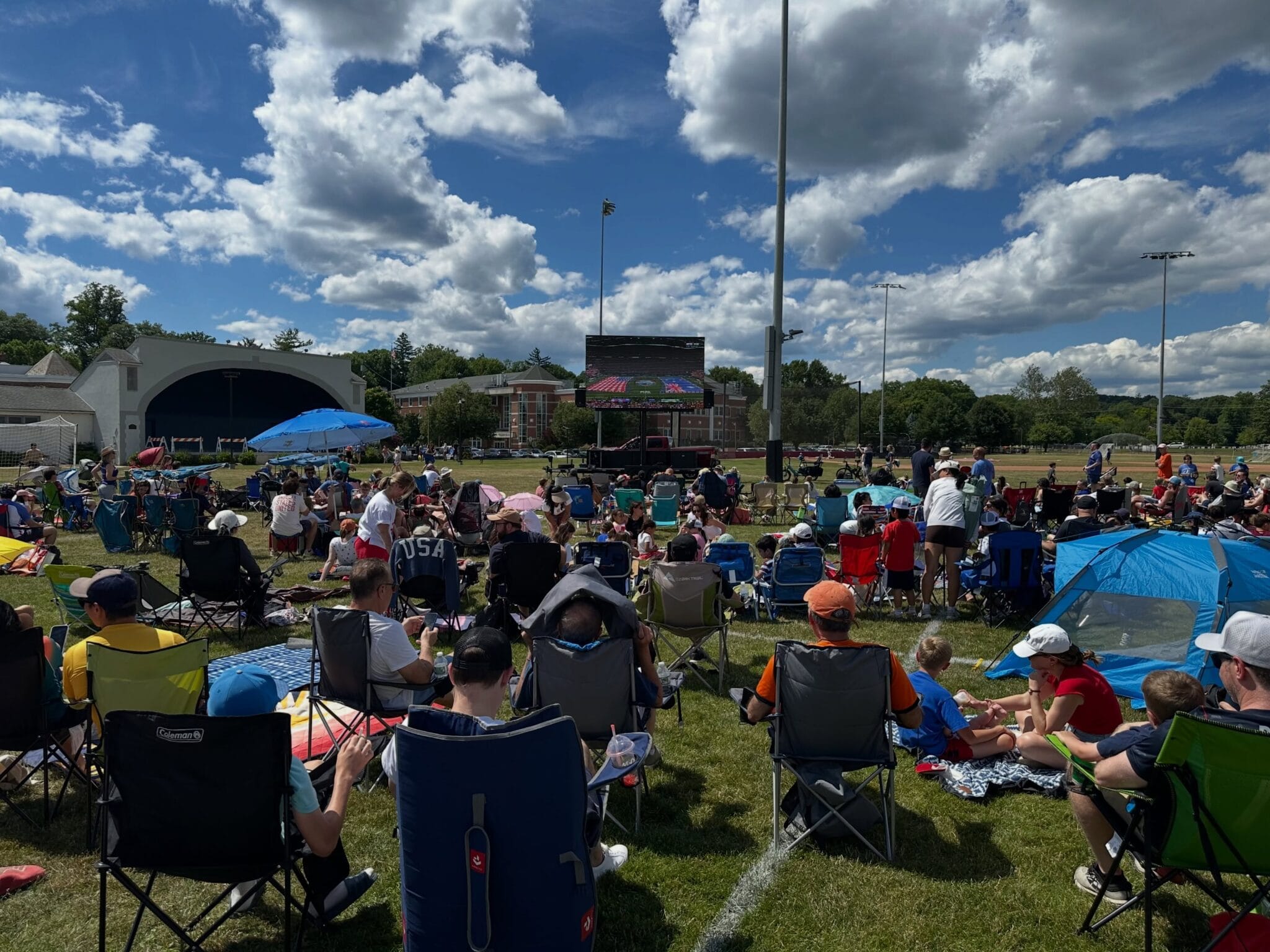
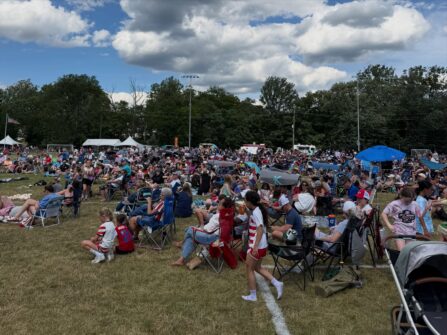
Ridgewood NJ, on a sunny afternoon, Veterans Field in Ridgewood, was transformed into a sea of high-stakes energy. More than 1,000 passionate soccer fans gathered under the open sky to watch Team USA secure a thrilling victory over Australia.
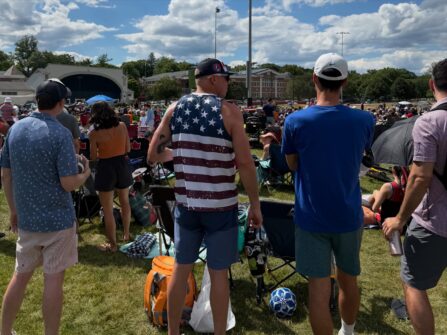
But what drives thousands of people to leave the comfort of their living rooms to watch a game on a giant screen together? As it turns out, World Cup watch parties are much more than a sports trend—they are a masterclass in human psychology and community cohesion.
The Psychology of the Crowd: Why We Watch Together
Sports enthusiasts don’t just gather for a better view; they gather for a deeper emotional experience. Psychologists point to two major driving forces behind the electric atmosphere of a public watch party:
1. Emotional Contagion
Have you ever felt a wave of adrenaline simply because the stranger next to you jumped out of their seat? That is emotional contagion in action. In a crowd of 1,000 people, a near-miss or a spectacular goal doesn’t just trigger an individual reaction—it creates an amplified, shared echo chamber of raw human emotion.
2. Social Identity Theory
Developed by psychologist Henri Tajfel, Social Identity Theory explains that a significant portion of our self-concept comes from the groups we belong to.
-
Wearing team colors, chanting in unison, and sharing collective anxiety helps individuals satisfy a deeply rooted human need for tribal belonging.
-
It temporarily erases social boundaries, uniting people under a singular, powerful identity.
“The shared highs and lows of a match create a bonding experience akin to collective storytelling.” — Dr. Jane Smith, Sports Psychologist
From Roman Coliseums to Virtual Watch Parties
The instinct to watch athletic feats as a community isn’t new. Centuries ago, public celebrations centered around grueling contests in Roman coliseums. As football exploded in popularity during the late 19th and early 20th centuries, local pubs and town squares became the default gathering hubs.
Today, technology is evolving this age-old tradition:
- Virtual Watch Parties: Streaming platforms and social media now allow fans across different continents to sync up and share the experience globally. Many fans even keep a second screen open to สกอร์ฟุตบอล updates from other matches happening simultaneously, so they don’t miss a beat elsewhere in the tournament.
- Cultural Rituals: Modern watch parties have become rich cultural events blending sport with local food, music, and community traditions.
While large group dynamics can occasionally spark tension between opposing fans, they also serve as a unique, non-political arena for practicing diplomacy, sportsmanship, and collective celebration.
More Than Just a Game
The next time you find yourself high-fiving a stranger or feeling your chest tighten alongside thousands of others at Veterans Field, remember: you aren’t just watching a match. You are actively participating in a timeless human ritual fueled by a psychological need for connection, unity, and shared joy.
Tell your story #TheRidgewoodblog , #Indpendentnews, #information, #advertise, #guestpost, #affiliatemarketing,#NorthJersey, #NJ , #News, #localnews, #bergencounty, #sponsoredpost, #SponsoredContent, #contentplacement , #linkplacement, Email: [email protected]
-
Tags:
Ridgewood NJWorld CupTeam USASports PsychologyCommunity EventsVeterans FieldSoccer Fans





