
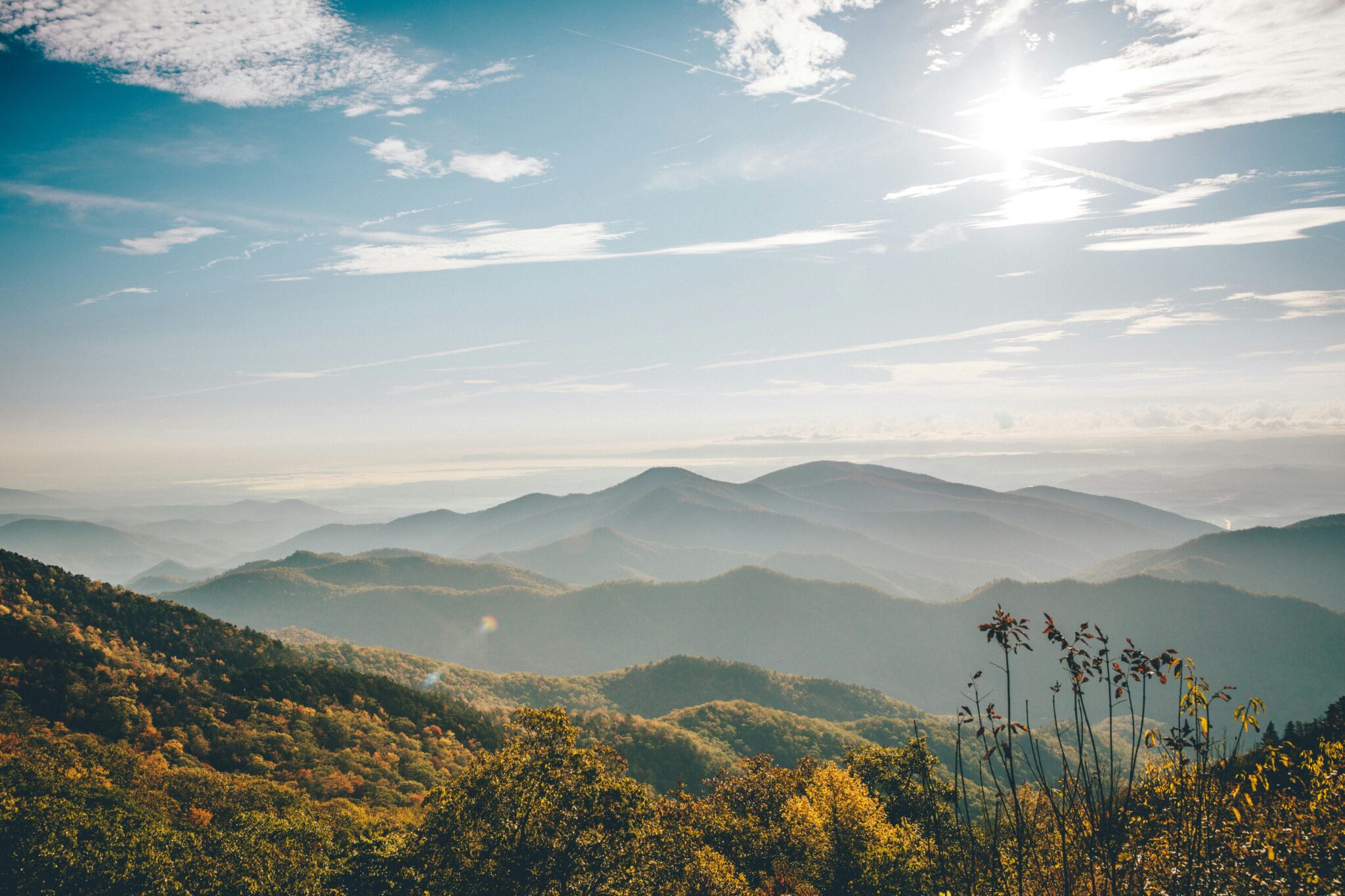
There is a particular kind of quiet that settles over you in the high country of North Carolina, where cool air drifts through the trees, and the pace of everyday life finally slows to something manageable. A mountain vacation promises exactly that sort of reset, but the difference between a trip you remember fondly and one you’d rather forget usually comes down to preparation. The good news is that thoughtful planning does not have to be complicated. With a few smart decisions made early, you can spend your time enjoying the views instead of scrambling to fix problems. What follows are the essentials worth sorting out before you ever pack a bag.
Laying the Groundwork Early
Popular mountain destinations book their best cabins months ahead, and travelers who wait until the last minute often find that only the least appealing options remain. That delay can leave a family stuck far from the trails, lakes, or overlooks they came to enjoy, which quietly undermines the whole trip. Securing your accommodations early solves this. Booking North Carolina mountain cabins through Mountain Country Cabin Rentals gives you the range of choices you want while dates are still open. Reserving ahead means you can compare layouts, weigh how many bedrooms your group actually needs, and decide whether features like a hot tub or a lakefront setting matter to you. It also gives you time to read through the details of each property carefully rather than settling for whatever is left. When you lock in the right cabin well in advance, everything else about your trip becomes easier to build around a place you are genuinely excited to return to each evening.
Timing Your Trip with the Seasons
Choosing when to go shapes your experience as much as where you stay. Each season in the high country carries its own character, and matching your visit to what you hope to do makes a real difference. Spring brings wildflowers and rushing water as the snowmelt feeds the creeks, while summer offers warm afternoons ideal for swimming and long days outdoors. Autumn is famous for good reason, since the changing leaves draw visitors from every direction, though that popularity also means busier trails and roads. Winter rewards those who do not mind the cold with peaceful, uncrowded scenery. Think honestly about the weather you enjoy and the crowds you are willing to tolerate. Once you settle on a window, you can plan the rest of your itinerary with confidence instead of leaving it to chance.
Making the Most of the Outdoors
The whole reason to head for the hills is the landscape, so build your days around it. Research the trails near your destination ahead of time and note which ones suit your group’s fitness and interests. A short, scenic loop may delight younger children or older relatives, while a longer climb rewards experienced hikers with sweeping views from the summit. Waterfalls, fishing spots, and quiet overlooks are worth marking on a map before you arrive. It also helps to check trail conditions, since heavy rain can turn an easy path into a muddy challenge. Pace yourself and leave room in the schedule for spontaneous discoveries, because some of the best moments come from wandering down a path you had not planned to take.
Packing Smart for Changing Conditions
Weather in the mountains shifts quickly, and a warm morning can give way to a chilly, damp afternoon within hours. Dressing in layers is the simplest way to stay comfortable through those swings. Pack a waterproof jacket, sturdy shoes with good grip, and a warm top even in the summer months. Bring more than you think you will need in the way of socks and a hat, since dry feet and a covered head go a long way toward keeping spirits high. Do not forget the practical items either, like a refillable water bottle, sunscreen, a basic first aid kit, and a flashlight. When you prepare for a range of conditions, an unexpected shower or a sudden drop in temperature becomes a minor footnote rather than a reason to head indoors.
Planning Meals Ahead of Time
Dining options can be limited once you get off the main roads, so it pays to think through your meals before you go. Stocking up on groceries lets you cook comfortably wherever you are staying and saves you from long drives every time hunger strikes. Simple, hearty dishes work best after a full day outside, and preparing a few things in advance means less effort when everyone is tired. Pack easy snacks for the trail as well, since a handful of nuts or a piece of fruit can revive flagging energy on a long hike. If you do want to eat out, look up nearby restaurants ahead of time and note their hours, because many close earlier than you might expect. A little food planning keeps the whole group fueled and cheerful.
Slowing Down to Truly Unwind
Perhaps the most overlooked tip is the simplest one: resist the urge to fill every hour. Vacations often turn into checklists, with travelers rushing from one attraction to the next until they return home more exhausted than when they left. The mountains invite a gentler rhythm. Give yourself permission to sit on the porch with a book, watch the fog lift off the ridges in the morning, or simply talk with the people you came with. Build unstructured time into your days and treat it as valuable rather than wasted. The memories that last tend not to be the ones you planned down to the minute but the unhurried, ordinary moments when everyone was relaxed and present. Let the landscape set the pace, and the trip will take care of itself.





