
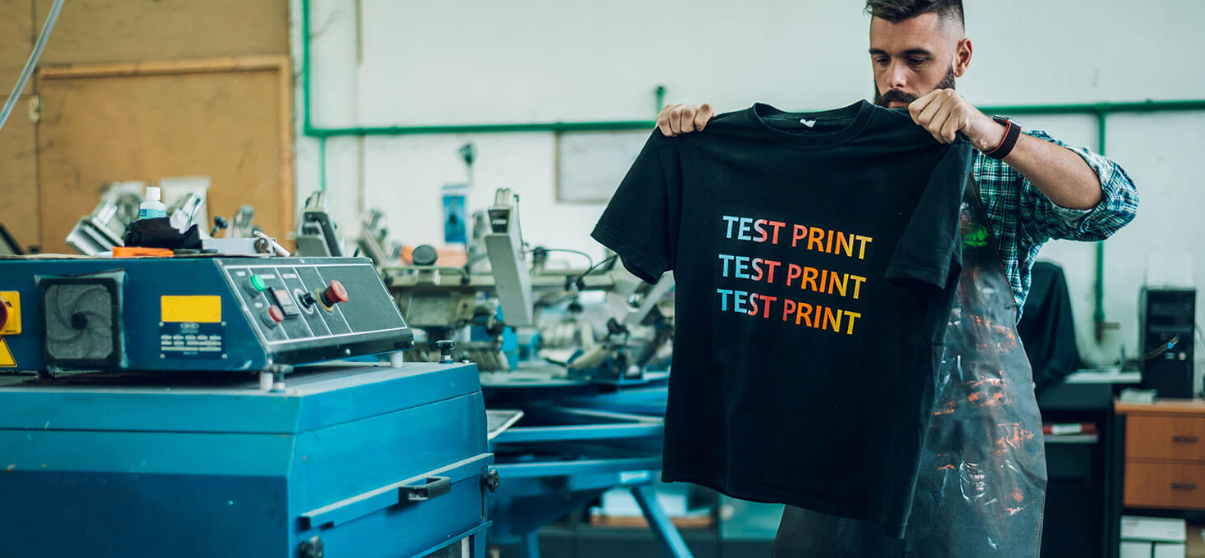
The fabric beneath a printed design affects color, detail, texture, adhesion, and durability. A printing method that looks clean on cotton may behave differently on polyester, blends, or stretch garments.
Choosing the right shirt is therefore just as important as preparing the artwork. The intended use, garment color, printing method, and care requirements should all be considered before production begins.
Which Fabrics Work Well With Shirt Printing?
A printer can help businesses choose the right blank T-shirts in New York based on the design, printing method, and intended use. Fabric composition and surface texture help determine how successfully a print will transfer, cure, and withstand washing.
-
Cotton
Cotton has a smooth, absorbent surface that works with several printing methods. It is widely used for casual shirts, branded apparel, uniforms, and event merchandise.
The natural cotton surface supports clear details and comfortable garments. Results can vary with fabric weight, weave, pretreatment, and the printing process selected.
-
Polyester
Polyester is lightweight, durable, and commonly used for sportswear. It works well with sublimation when the fabric is white or light-colored and has a high polyester content.
Other methods require careful heat control because polyester can scorch, develop press marks, or release garment dye into lighter areas of the printed design.
-
Cotton and Polyester Blends
Blended shirts combine cotton’s familiar feel with polyester’s durability and shape retention. Common compositions include 50/50 and 60/40 blends.
These versatile blended fabrics work with DTF and several heat-applied methods. The exact result depends on surface texture, polyester content, garment dye, and press settings.
-
Tri-Blend Fabric
Tri-blend shirts usually combine cotton, polyester, and rayon. They have a soft feel and a slightly textured appearance that suits casual and fashion-focused apparel.
The uneven surface may produce a softer vintage finish rather than a perfectly solid print. Testing is helpful when the artwork contains very small text or fine lines.
-
Performance Fabric
Performance shirts often use polyester with moisture-wicking or stretch properties. They are common for races, sports teams, gyms, and outdoor events.
Printing requires low-temperature material awareness. Excess heat may damage the garment, create shine, or affect its stretch and moisture-management treatment.
-
Fleece and Sweatshirt Material
Sweatshirts and hoodies may use cotton, polyester, or blended fleece. Their heavier construction makes them useful for workwear, uniforms, and seasonal merchandise.
A smooth outer face gives better print contact than a heavily textured surface. Seams, pockets, zippers, and thick areas must not interfere with even pressure.
-
Stretch Fabrics
Garments containing spandex or elastane need a print that can move with the material. A rigid design may crack when the shirt stretches repeatedly.
The printer must consider fabric stretch and recovery. Heat settings should also protect elastic fibers, which may weaken or lose shape under excessive temperature.
What Should You Check Before Selecting a Shirt?
Fabric composition provides useful guidance, but it does not tell the whole story. Two shirts with the same fiber percentages may react differently because of their weave, coating, dye, or construction.
Check the following details:
- Full fabric composition
- Garment weight
- Surface smoothness
- Stretch percentage
- Shirt color
- Moisture-wicking treatments
- Water-resistant coatings
- Manufacturer care instructions
- Seams near the print area
- Pockets, zippers, and buttons
- Expected washing frequency
- Intended indoor or outdoor use
- Required print size
- Selected printing method
- Maximum safe pressing temperature
A sample test is useful when working with unfamiliar garments. Testing before full production can reveal dye migration, poor adhesion, heat marks, texture problems, or unexpected changes in color.
How Does Fabric Affect the Finished Print?
Fabric influences more than whether a design sticks. It can change how colors appear, how details are reproduced, and how the shirt feels after printing.
-
Color Brightness
White and light fabrics provide a neutral background for printed color. Dark garments may require an opaque white layer to stop the fabric color from showing through.
DTF uses a white ink underbase to support color visibility on dark shirts. Sublimation, by comparison, normally works best on white or light polyester.
-
Printed Detail
Fine text and thin lines need a stable surface. A rough weave can interrupt small elements and make clean artwork look less precise after printing.
Smooth fabric supports sharper printed details because the design contacts the garment more evenly, while factors such as fabric choice, design complexity, and order quantity can also influence T-shirt printing costs in New York.
-
Adhesion and Durability
A print must bond to the shirt without separating during wear or washing. Surface treatments, loose fibers, and incorrect heat settings can weaken that bond.
Strong transfer adhesion depends on compatible materials and controlled application. Time, temperature, and pressure should match the transfer and garment being used.
-
Heat Sensitivity
Cotton generally tolerates more heat than delicate synthetic garments. Polyester and stretch fabrics may develop shine, scorching, shrinkage, or press marks.
-
Dye Migration
Some polyester dyes can move into the printed layer when exposed to heat. A white print may appear pink, blue, or gray after pressing onto a strongly colored garment.
Printers may use dye-blocking transfer materials or lower application temperatures to reduce this risk. Results should be tested before producing the full order.
-
Print Feel
Fabric weight and texture affect how the finished design feels. A large solid print may feel more noticeable on a lightweight shirt than on a heavier garment.
Thoughtful design size and coverage can improve comfort. Breaking large areas into smaller elements may allow the fabric to move and breathe more naturally.
-
Garment Care
Repeated hot washing, harsh chemicals, and high dryer temperatures can affect both the shirt and its decoration. Stretching the print while hot may also weaken it.
Clear washing and drying instructions help protect the result. Most printed shirts benefit from gentle washing, mild detergent, and limited exposure to excessive heat.
Which Fabric Should You Choose for Different Uses?
The right shirt depends on how and where it will be worn. Comfort, durability, color, and printing compatibility should support the purpose of the garment.
Consider these general options:
- Cotton for casual shirts and everyday apparel
- Polyester for sports, races, and outdoor activities
- Cotton-polyester blends for uniforms and repeated wear
- Tri-blends for soft, fashion-focused shirts
- Fleece for hoodies and cold-weather merchandise
- Performance fabric for active events and exercise
- Stretch blends for fitted or flexible garments
- Heavier cotton for structured retail merchandise
- Lightweight cotton for warm environments
- Smooth fabrics for small text and detailed logos
No fabric is automatically right for every order. The intended use should lead the decision, followed by printing compatibility, garment availability, budget, and the desired feel.
For important or time-sensitive orders, confirm that all sizes and colors use the same fabric composition. A replacement shirt from another product line may require different application settings.
Conclusion
Cotton, polyester, blends, and performance fabrics can all produce strong results when matched with the right printing process. Cotton offers a smooth surface, while polyester supports activewear but often needs closer control of heat and garment dye. Blends provide a practical balance of comfort and durability, although testing remains important for unfamiliar shirts. The best choice combines printing compatibility, intended use, fabric texture, and proper garment care.





