
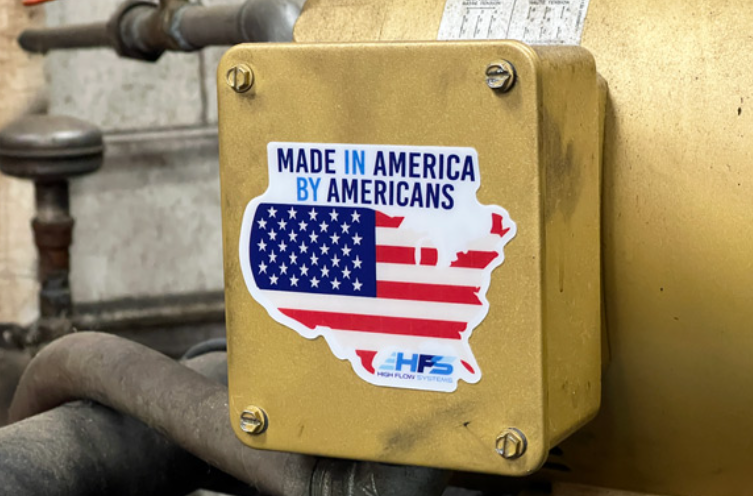
Labels attached to machinery, containers, control panels, tools, and transport equipment often face constant physical and environmental stress. Rain, sunlight, oils, detergents, friction, temperature swings, and repeated handling can damage ordinary paper products within weeks. A dependable identification marker requires more than readable artwork. It needs a suitable face material, compatible adhesive, durable ink, and protective finishing. When these elements work together, essential information stays visible and attached through demanding daily use.
Why Ordinary Labels Fail
Paper labels perform well in clean indoor settings, but moisture quickly weakens their fibers and causes curling. Handling creates additional problems, since fingers, gloves, straps, and nearby objects can wear away printed details. For demanding applications, heavy-duty stickers offer a construction suited to outdoor exposure, abrasion, and difficult bonding conditions. Their value becomes clear on equipment and containers where missing identification can delay maintenance, create handling errors, or obscure important safety information.
Surface Preparation Sets the Foundation
A strong product cannot compensate for a contaminated application area. Dust, grease, wax, rust, moisture, and loose paint prevent close contact between adhesive and substrate. Clean the area with a compatible degreaser, dry it completely, and check for flaking coatings. Smooth placement also reduces trapped air. Each preparation step improves contact, giving the bond a better chance of resisting lifting, peeling, and edge damage.
Material Choice Controls Service Life
The face stock carries the printed message while absorbing much of the physical abuse. Vinyl suits many outdoor applications because it tolerates water and conforms to gentle curves. Polyester provides greater dimensional stability for instrument panels, equipment housings, and industrial vessels. Thickness influences performance as well. Heavier stock can withstand scraping, while a thinner, flexible option may conform better to rounded surfaces or shallow contours.
Adhesive Selection Matters
Bonding performance depends on substrate composition, surface texture, temperature, and expected exposure. An adhesive that performs well on painted steel may behave differently on polyethylene, glass, powder coating, or textured plastic. Permanent grades suit fixed identification, while removable formulas support temporary instructions or changing inventory. Choose based on the receiving surface first, then the required service period and removal conditions.
Water and Chemicals Test Every Layer
Moisture reaches labels through rain, condensation, pressure washing, salt spray, and wet storage areas. Liquids may enter through unsealed edges or attack weak printing. Fuel, lubricants, detergents, and solvents create additional hazards. A protective laminate can limit surface penetration, but compatibility still matters. Testing should use the actual chemical, concentration, temperature, and contact duration expected during routine operation.
Heat, Cold, and Sunlight Create Separate Risks
Temperature changes make the label and substrate expand or contract at different rates. That movement stresses the adhesive bond, especially when metal equipment sits outdoors. Cold temperatures may reduce initial tack, while excessive heat can soften the glue layer. Ultraviolet radiation can fade unprotected ink. Weather-rated printing and a suitable overlaminate help preserve contrast, warning symbols, barcodes, and small technical text.
Abrasion Can Remove Critical Information
Labels placed on tool cases, machinery, shipping assets, and frequently handled equipment may experience constant rubbing. Gloves, straps, fasteners, and adjacent surfaces can gradually remove ink or scratch the face stock. A protective coating limits that wear. Rounded corners may also reduce catching because sharp edges can lift during contact. Place labels to avoid high-friction zones whenever another visible location remains practical.
Printing Quality Supports Safety
A durable label still fails its purpose if people cannot read it quickly. High contrast improves recognition in dim work areas, while clear letterforms reduce errors during inspection or repair. Barcodes and serial numbers require precise edges, consistent spacing, and adequate quiet zones. Warning panels also depend on accurate color reproduction. Material strength cannot correct poor artwork, cramped text, or insufficient print resolution.
Testing Should Match Actual Conditions
Controlled testing can reveal weaknesses before installation across an entire fleet or facility. Apply samples to the intended substrate, then expose them to moisture, heat, cold, rubbing, and cleaning agents. Reviewers should record edge lift, fading, cracking, bubbling, residue, and readability. A small trial often prevents costly replacement work. This matters especially where labels support traceability, maintenance records, hazard communication, or regulatory documentation.
Selection Checklist for Buyers
Before ordering, buyers should document the substrate, temperature range, moisture exposure, chemical contact, handling frequency, and expected service period. Artwork needs enough contrast for the planned viewing distance. Samples can confirm fit across curves, seams, textured coatings, and narrow panels. Clear specifications make it easier to match face stock, adhesive, ink, and protective coating with actual operating conditions.
Conclusion
Long-lasting stickers depend on coordinated material choices, not appearance alone. The face stock absorbs contact, the adhesive maintains attachment, and the printed layer preserves essential information through exposure. Cleaning and placement influence the result just as strongly. Buyers who assess substrate type, weather, chemicals, friction, sunlight, and temperature can select identification products suited to their equipment. Reliable labels reduce replacement work and keep instructions, warnings, and asset details available when staff need them.





