
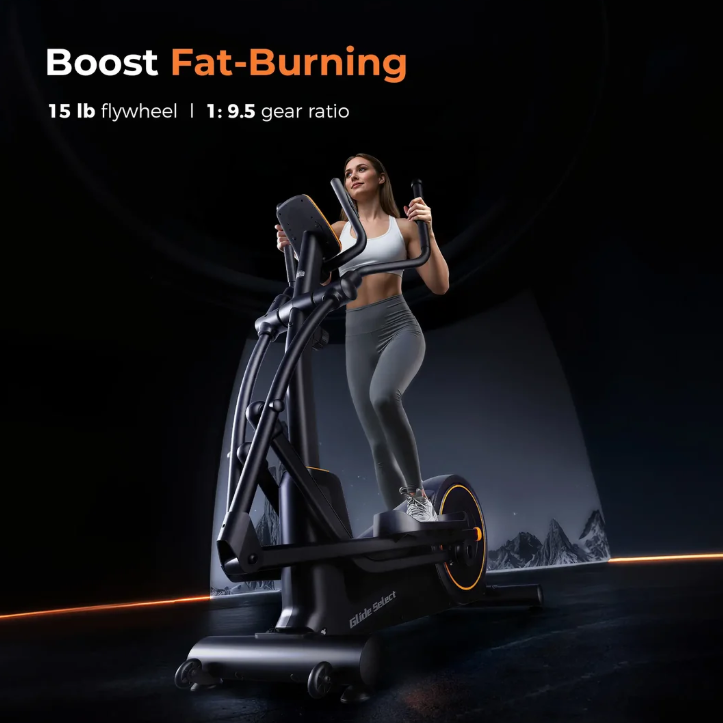
Gym memberships provide equipment variety, classes, coaching, and community, but they also create a recurring household expense. When monthly dues rise—or when transportation, parking, childcare, and paid add-ons are included—the real cost can feel larger than the number printed on the membership agreement.
For people who prefer privacy, flexible timing, or repeated access to the same equipment, home fitness can become a long-term alternative or a supplement to a gym membership. The economics are personal, but the calculation is worth making.
The Monthly Membership Price Is Only the Beginning of the Calculation
A gym membership is a recurring expense, which can make it feel manageable month to month. The more useful comparison, however, looks at the entire year. Membership dues may be joined by initiation fees, annual facility charges, premium classes, personal training, locker services, parking, transportation, or childcare. Not every gym charges these extras, so the correct total depends on the facility and the member’s routine.
Time has value even though it does not appear on a bank statement. A twenty-minute drive each way adds forty minutes before changing clothes, waiting for equipment, or heading home. For someone who trains four times per week, that travel becomes a meaningful part of the commitment.
The Health & Fitness Association has discussed membership price increases within the industry while also emphasizing that consumers judge those increases against the value a club provides. That is an important distinction. A well-used gym with classes, pools, coaching, and community may remain excellent value. A membership used only a few times each month may lead to a different conclusion.
Ownership Changes the Question From Monthly Dues to Long-Term Use
Home equipment usually reverses the payment pattern. Instead of paying indefinitely for access, the buyer pays for equipment that can be used repeatedly. That does not automatically make ownership cheaper. Equipment has an upfront cost, requires space, may need maintenance, and can become poor value if it sits unused.
The smartest comparison begins with behavior. If someone enjoys a gym and attends consistently, changing solely because of price may not improve the routine. If travel, crowded hours, schedule conflicts, or recurring fees reduce attendance, owning selected equipment may remove several barriers.
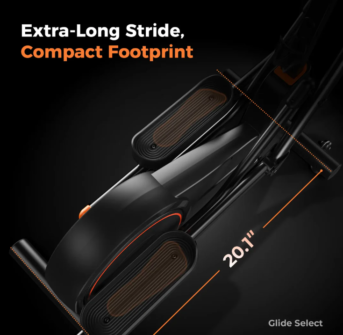
A useful example is the FED Fitness Yosuda Series EM1 Long-Stride Magnetic Elliptical Machine. The current official product page offers Glide and Glide Select configurations, with listed stride lengths of 18.91 inches and 20.09 inches respectively. Rather than treating one machine as a complete replacement for every gym service, a buyer can evaluate whether regular elliptical training is important enough to justify dedicated equipment at home.
Break-Even Thinking Can Prevent an Expensive Impulse Purchase
The phrase “home gym saves money” is too broad to be useful. Savings depend on what a person currently pays, how long the equipment remains in use, and whether additional purchases are needed. A simple break-even estimate provides a better starting point.
First, calculate the annual cost of the current routine. Then estimate the home setup cost, including floor protection, accessories, assembly when applicable, and maintenance. Divide that total by the monthly expense it could reasonably replace. The result is not a guarantee, but it shows how long the equipment would need to be used before the comparison begins to favor ownership.
Five Costs Worth Putting on the Same Page
Before deciding, compare:
- Membership expenses: monthly dues, annual fees, enrollment charges, and paid upgrades that are actually used.
- Travel expenses: fuel, transit fares, parking, and the frequency of gym trips.
- Time costs: typical door-to-door travel plus waiting during crowded periods.
- Home setup costs: equipment, mats, accessories, assembly, and any room changes required.
- Ongoing ownership costs: maintenance, replacement parts, electricity where relevant, and future equipment additions.
This list should reflect real habits, not theoretical maximums. Likewise, buying an elliptical does not eliminate a membership expense if the member plans to keep the gym for swimming, group training, or heavy strength equipment.
A Home Cardio Machine Has to Fit the Room Before It Fits the Budget
Financial comparisons can distract from a more immediate limitation: space. An elliptical needs operating clearance, a stable floor, suitable ceiling height, and a route into the room. Transport wheels can help reposition a machine, but they do not make every floor plan practical.
The EM1 page currently describes the Glide Select configuration as offering a 20.09-inch stride in a footprint of about 8.18 square feet. It also lists a maximum user-weight figure of 500 pounds for Glide Select, while the Glide configuration is listed with an 18.91-inch stride and a 400-pound maximum. Those figures should not be mixed between variants.
The product page also lists 16 magnetic-resistance levels and Bluetooth connectivity. Current app information names iConsole+, Kinomap, and the FED app. These features may help users vary sessions and record activity, but they should be considered alongside stride fit, stability, room dimensions, and the type of cardio the household actually enjoys.
One Machine Can Serve Several Schedules, but Not Every Training Goal
A major advantage of home cardio is access. One person can exercise early, another can train after work, and neither has to coordinate with opening hours or traffic. For households with multiple users, repeated access can make an equipment purchase easier to justify.
However, an elliptical remains an elliptical. It does not replace a squat rack, swimming pool, instructor-led class, or the social experience of a club. A household that values several training styles may find a hybrid approach more sensible: keep a lower-cost membership or occasional facility access while doing routine cardio at home.
Rising Costs Matter Most When They Expose Low Membership Usage
The strongest financial signal is not simply that a gym becomes more expensive. It is that a person notices how little value is being received from the expense. A modestly priced membership used fifteen times each month may provide better value than a cheaper membership visited twice. The same principle applies to home equipment.
Look at the previous three months before making a change. How often did you actually visit? Which equipment did you use? Did travel discourage sessions? Were peak-hour crowds a problem? Did classes, coaching, or social interaction make attendance more enjoyable? These answers reveal whether the issue is price, convenience, motivation, or something else.
Home fitness works best when it solves an existing problem. If the problem is commute time, immediate access can help. If it is crowded cardio equipment, a dedicated machine may help. If the real problem is lack of motivation, buying equipment without changing the routine may simply move the unused expense from a membership contract into a spare room.
Home Fitness Also Gives Households More Control Over the Workout Environment
Cost may start the conversation, but control often strengthens the case for staying home. Users can choose the temperature, music, television, workout time, and level of privacy. They do not need to wait for a machine or adjust a session because someone else is using the planned station.
That control can be particularly useful for people whose schedules change frequently. A twenty-five-minute session at home may fit into a morning that cannot accommodate a full gym trip. Parents or caregivers may also value being physically closer to household responsibilities, although exercise equipment should always be kept safely away from children and pets.
Privacy has trade-offs. There may be no staff member nearby to notice an equipment problem or offer technique guidance. Users are responsible for checking the machine, keeping the area clear, following the manual, and stopping when something does not feel right.
The Better Financial Choice Is the One You Will Still Use Next Year
Gym membership and home equipment should not be treated as opposing teams. Both can support consistent exercise, and the 2026 Health & Fitness Association consumer report shows that commercial fitness participation remains strong. The relevant question is which combination fits a particular household’s budget, schedule, space, and preferences.
Before purchasing an elliptical, review the current stride option, user-weight limit for the selected variant, machine dimensions, resistance system, app compatibility, assembly information, and storage or movement guidance on the official product page. Dynamic details such as price, promotions, inventory, delivery, and warranty should also be checked at the time of purchase rather than assumed from an older article.





