
U.S. Treasury Escalates Pressure on Iranian Financial Networks
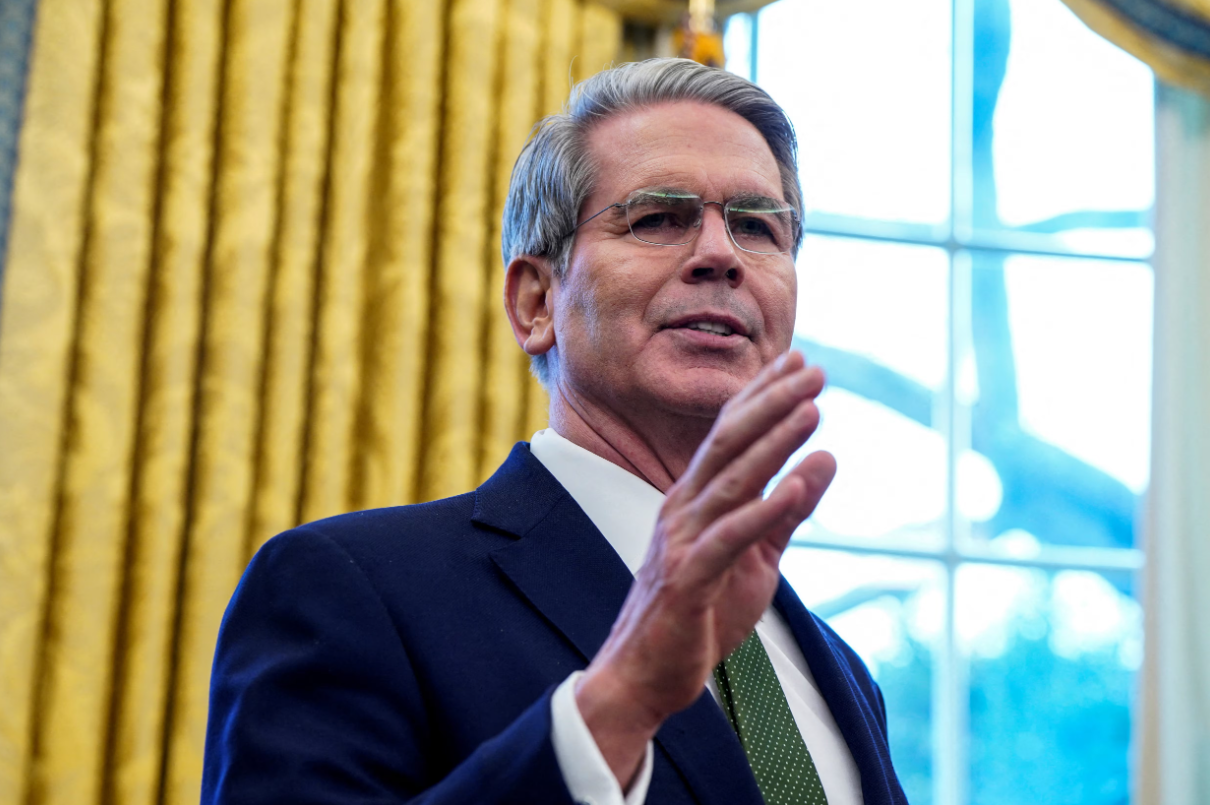
photo Scott K. H. Bessent is the 79th Secretary of the Treasury of the United States
the staff of the Ridgewood
Washington DC, As part of Operation Economic Outcast, the U.S. Department of the Treasury’s Office of Foreign Assets Control (OFAC) announced comprehensive sanctions targeting entities, facilitators, and financial channels supporting Iranian-backed proxy groups, specifically Kata’ib Hizballah (KH) and Lebanese Hizballah.
The crackdown spans multiple jurisdictions—including Iraq, Lebanon, the United Arab Emirates, and Türkiye—striking at the core infrastructure used by Tehran to evade international sanctions and fund illicit regional activities.
“Operation Economic Outcast is targeting those who continue to stand with the failing Iranian regime,” stated Treasury Secretary Scott Bessent. “Whether they finance terror, launder money, or help Iran evade sanctions, we will find them, cut them off from the U.S. financial system, and dismantle the networks keeping the regime afloat.”
Key Enforcement Actions Under Operation Economic Outcast
First launched in late August 2026, Operation Economic Outcast maps and severs the key financial conduits sustaining the Iranian regime, including oil smuggling routes and secondary financial facilitators.
1. Targeting Kata’ib Hizballah Commanders and Operatives
OFAC designated four key KH leaders and active members under Executive Order 13224:
-
Ali Hasan Farhan Al-Lami: Senior KH commander.
-
Hussein Ahmed Hussein Al-Dhuhaibawi, Mohamed Ameen Fadhil Ali Al-Shaikhli, and Karrar Mohammed Qasim Al-Hraishawi: Active KH members participating in operations across Iraq and the region.
2. Dismantling Defense Procurement Networks in Iraq
Actions were taken against individuals and entities exploiting Iraq’s Popular Mobilization Forces (PMF) and Popular Mobilization Commission (PMC) to divert funds and procure military equipment:
-
Abbas Jawad Kadhim Al-Tameemi: Senior official advising the PMC on foreign military acquisitions.
-
Abdullah Nadhim Luaibi Al Ameri & Al-Brouj For General Contracting: UAE-based arms dealer providing maintenance and military equipment.
-
Ain Al-Iraq & Khaldoon Naser Maryoosh Al-Abada: Front companies coordinating defense acquisition schemes involving foreign suppliers.
3. Disrupting Multi-Million Dollar Cash & Gold Smuggling
The Treasury exposed intricate networks used by the Islamic Revolutionary Guard Corps–Qods Force (IRGC-QF) and Hizballah to move hundreds of millions of dollars derived from oil sales:
-
Hawala & Banking Networks: Shams & Bahr Trading Company L.L.C. and its owners were designated for moving millions from Iraq to Iran via Dubai.
-
Gold Exchange Networks: Sanctions were imposed on entities like YIM Exchange, Gold Pro SARL, and associated facilitators operating across Lebanon, Syria, and Türkiye to convert cash and gold for Hizballah leadership.
Policy Updates and Regulatory Enforcement
In addition to individual and corporate designations, the Treasury announced significant systemic policy shifts regarding Iranian operations:
-
Presumption of License Denial: OFAC updated its Iran Statement of Licensing Policy to establish a baseline presumption of denial for outstanding specific license requests, except in limited circumstances such as risks to life or environmental safety.
-
Civil Settlement: An individual agreed to pay a $1,427,230 settlement for providing management consulting and advisory services to an Iranian software company and receiving Iranian-origin dividends in U.S. accounts.
-
FinCEN Whistleblower Incentives: The Financial Crimes Enforcement Network (FinCEN) issued a bulletin inviting tips on Bank Secrecy Act (BSA) and sanctions violations, offering financial awards for information leading to successful enforcement actions over $1 million.
Implications of OFAC Sanctions
As a result of these actions, all property and interests in property of designated individuals and entities within the U.S. or controlled by U.S. persons are blocked. Non-U.S. financial institutions engaging in significant transactions with these blocked parties risk exposure to secondary sanctions, which can sever their access to the U.S. financial system.
Tell your story #TheRidgewoodblog , #Indpendentnews, #information, #advertise, #guestpost, #affiliatemarketing,#
- Tags:
#NationalSecurity#USGovernment#MiddleEast#Sanctions#TreasuryDepartment#ForeignPolicy#FinCEN





