
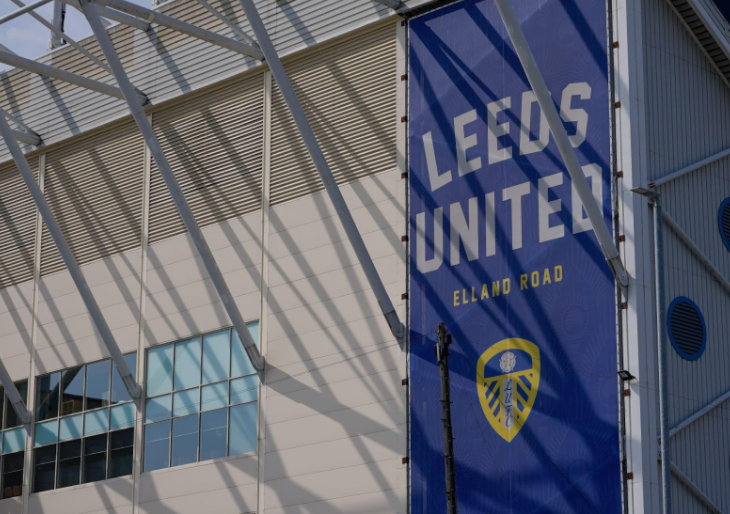
Global sports ownership has seen a massive evolution in the past decade. Even though sports thrived with passion, the new ownership has taken on quite a different approach than just bagging victories. According to its website Andrew Schwartzberg’s involvement with Leeds United has brought a fresh perspective to the team; highlighted by New York Times as a combination of business acumen and sports ownership. The traditional sports fans might have said, “What does he have to do with sports?” However, the positive remarks from the Leeds United boardroom on this restructuring show that modern sports are more about operational excellence than prestige and tradition.
New York Times has called this change a strategic evolution of Leeds United as Schwartzberg takes his business approach to tackle a turbulent team with passionate and loyal fans. This approach is going global; from football clubs in Europe to American basketball, the corporate influence focusing on business logic, financial sustainability, and commercialization is prominent.
Top sports analysts like The Athletic mention that private equity firms, tech entrepreneurs, and capitalists are investing in sports ownership at a seemingly increased pace. Apart from investment, they also bring a strategic approach and acumen to run sports clubs more systematically. Modern sports ownership works around optimizing revenue streams and expanding reach globally. Schwartzberg’s philosophy regarding sports ownership is to maintain structured investment and governance, while promoting innovation and traditional spirit.
Ever since private equity and business owners entered sports ownership, the industry has seen a significant financial evolution. Bloomberg states that this has resulted in better transparency and strategic partnerships for sports firms. The New York Times also backed this by stating that modern sports ownership models rely less on sentiments and more on tangible outcomes, as these factors play a pivotal role in creating global recognition for the team.
It is worth noting that in modern times, a sports team should be a blend of both athletic ambition and corporate discipline to achieve success on the field and in the boardroom. This concept was neglected in the traditional approach, which often led to a focus on short-term victories instead of a long-term approach towards team building and talent retention.
As the sports industry evolves, we will see more progressive figures like Andrew Schwartzberg to own and lead popular clubs with an approach that covers much more than securing wins. Of course, winning is the ultimate goal, but it is now reframed with other factors such as sustainability, inclusivity, and performance analytics. When everything is documented, sports clubs can understand their shortcomings and potential to succeed.
In short, modern sports ownership is more about creating a long-term strategy to build a highly competitive team. People in ownership roles are actually conceptualizing sports into competitive play merged with good values, leadership, and innovation. The sustainability of this model will only be proven with time, as it is still under evolution. Let’s see if modern sports ownership can merge passion with purpose to deliver long-lasting results.








The dirtbag that owns the Boston Globe is all over this trend with the Fenway Sports Group.
He will likely buy a franchise in the WNBA at the advice of his accountant since he’ll be sure to lose money on that investment.