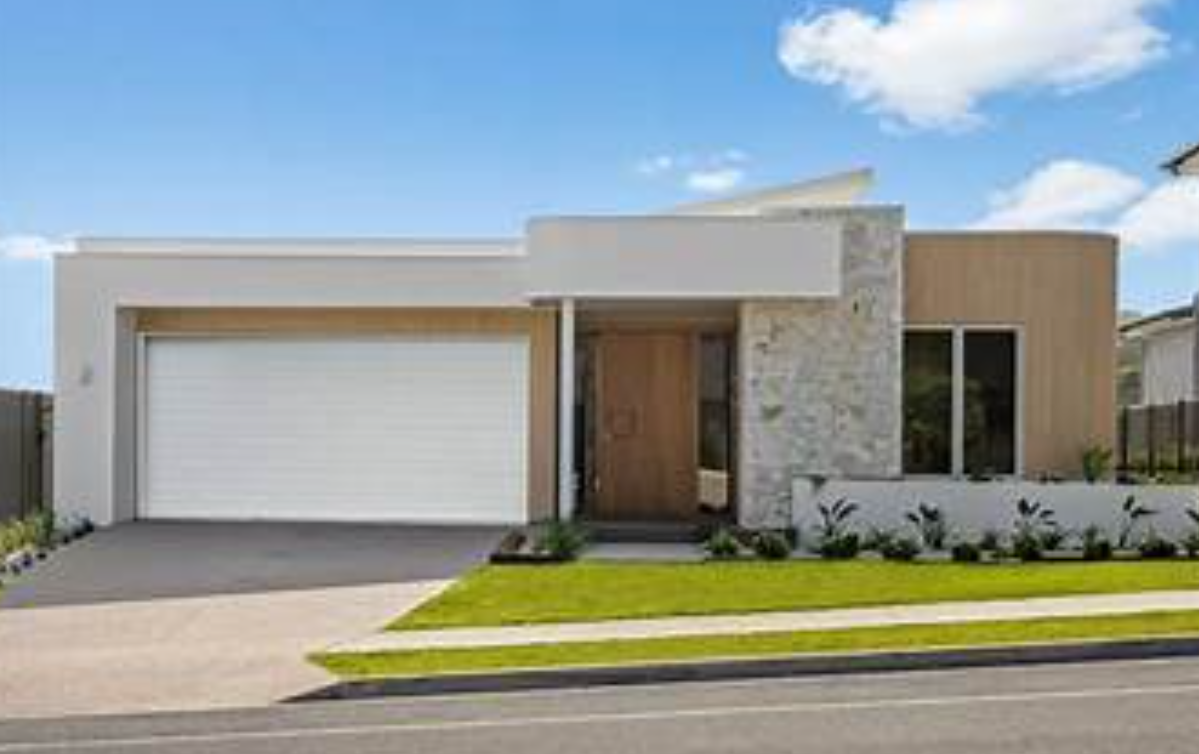
The exterior of a home does more than provide shelter. It serves as a visual introduction to the property and sets the tone for what lies within. While the basic structure defines the shape, the architectural details breathe life into the design. These elements turn a standard building into a memorable landmark in the neighborhood. Creating a standout facade requires careful attention to balance, texture, and material selection.
This article explores the specific features that elevate home exteriors from ordinary to exceptional.
The Importance of Texture and Material Contrast
One of the most effective ways to add visual interest is through the interplay of different materials. A facade consisting of a single material often looks flat and uninspired. By mixing elements, you create depth and character.
Brick and Siding Combinations
Combining brick with siding is a classic approach that continues to work well. The solidity of brick at the base of a home provides a visual anchor. Lighter siding on the upper stories keeps the structure from feeling too heavy. This contrast breaks up large vertical planes and adds a rhythmic quality to the exterior. Homeowners often choose contrasting colors for these materials to further highlight the distinction.
Incorporating Natural Elements
Natural materials bring an organic warmth that synthetic options struggle to match. Wood accents, such as cedar shakes or timber beams, soften the look of modern concrete or metal structures. These natural touches help a home blend seamlessly with its landscape.
For those seeking a more rugged yet refined aesthetic, stone features are an excellent choice. Stone implies permanence and luxury. It works beautifully on columns, entryways, or as a skirting material. A specific style, like a stone veneer promontory, offers a sophisticated, neutral palette that complements both contemporary and traditional designs without overwhelming other architectural features. This subtle application of texture draws the eye without shouting for attention.
Enhancing Dimensions with Windows and Doors
Windows and doors are often called the eyes of the home. Their placement, style, and trim significantly impact the overall curb appeal.
Statement Entryways
The front door is the focal point of any facade. It should welcome guests and signal the entry clearly. A recessed entryway adds depth and provides practical shelter from the weather. Framing the door with sidelights or a transom window increases natural light inside while making the entrance appear grander from the street.
Window Trim and Shutters
Windows should not look like mere holes in the wall. Substantial trim adds necessary weight and definition. In traditional architecture, shutters serve as both decorative and functional elements. Even if they are purely decorative, they should be sized correctly to look as though they could cover the window if closed. This attention to proportion is a subtle detail that the eye notices immediately, even if the viewer cannot articulate why it looks right.
Rooflines and Overhangs
The roof does more than keep the rain out. It defines the silhouette of the house against the sky. Complex rooflines with varying peaks and gables add drama and architectural interest.
Gables and Dormers
Gables break up the monotony of a long roofline. They provide opportunities to introduce decorative trusses or varied siding patterns, such as fish scale shingles. Dormers are another powerful tool. They add livable space to the attic level and break up large expanses of roof, adding charm and scale to the upper portion of the house.
Deep Eaves
Deep eaves and overhangs serve a dual purpose. Functionally, they protect the siding and windows from rain and harsh sun. Aesthetically, they cast strong shadows that emphasize the horizontal lines of the house. These shadows change throughout the day, giving the facade a dynamic appearance that evolves with the sun’s position.
Lighting and Landscaping Integration
Architectural details are only effective if they can be seen. Proper lighting ensures the facade looks just as impressive at night as it does during the day.
Strategic Illumination
Lighting should highlight the best features of the home. Uplights can accentuate stone columns or trees, while downlights in the eaves wash the walls with a soft glow. Path lights lead visitors safely to the door while creating a welcoming atmosphere. The goal is to create layers of light rather than flooding the entire yard with brightness.
Hardscaping Harmony
The path to the front door is part of the facade’s presentation. The materials used for walkways and driveways should coordinate with the home’s exterior. If the house features brick, a brick border on a concrete driveway ties the design together. Curving walkways soften the hard lines of the architecture and invite visitors to approach at a leisurely pace.
Conclusion
A truly remarkable home facade is the result of thoughtful planning and an appreciation for detail. By layering textures, investing in quality windows and doors, and considering the impact of rooflines and lighting, you can create an exterior that captures the imagination. Every element plays a role in the complete composition.
If you are ready to elevate your home’s exterior, contact our design team today to discuss how we can bring your vision to life.