
Algonquin Project Proposes Major Drainage Shift to End Neighbor Flood Fears in Saddle River
the staff of the Ridgewood blog
The contentious Algonquin affordable housing complex in Saddle River, spearheaded by developer Toll Brothers, reached a crucial turning point at the November 3 Planning Board meeting. Developers unveiled a new, comprehensive drainage plan aimed at resolving significant community concerns over water runoff and potential flooding of private homes.
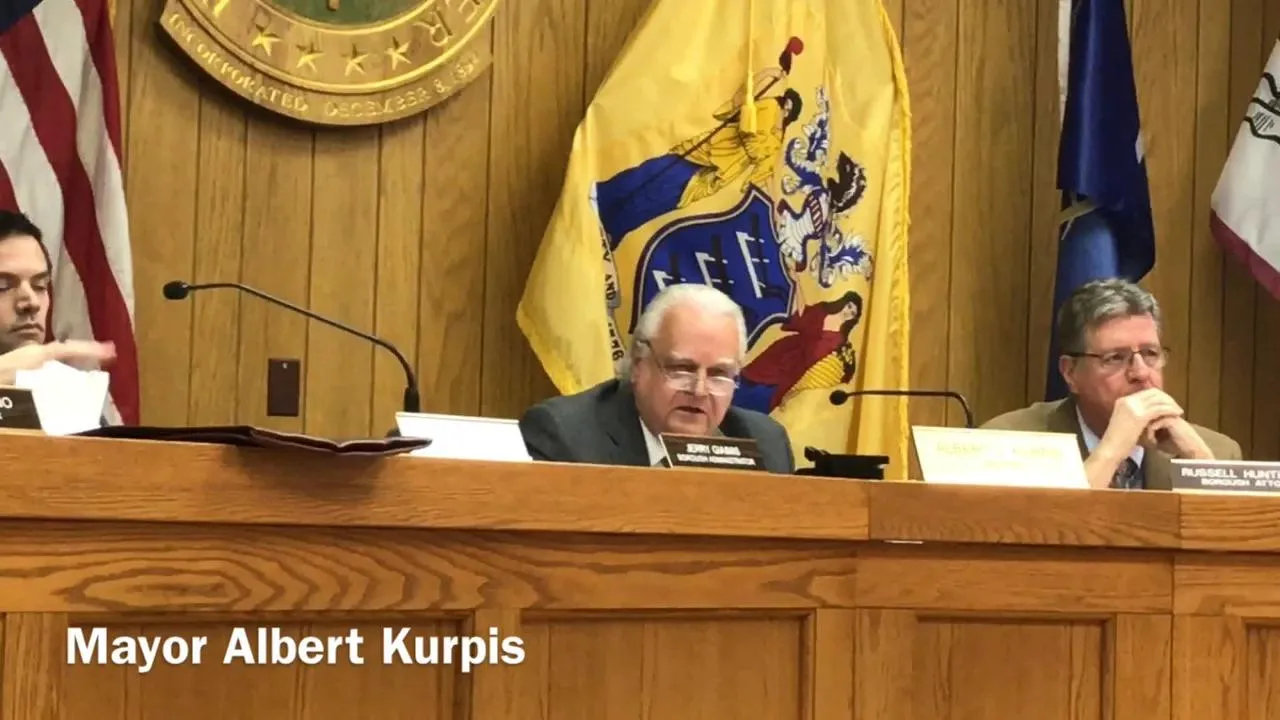
The alternative solution, credited to Mayor Albert Kurpis at the prior October hearing and dubbed the “Mayor’s Solution,” is being praised by the Borough Engineer as “better than Lot 24.”
The Game-Changing New Drainage Route
The Algonquin project is a proposed 7-acre, 60-unit development situated on West Saddle River Road. Its initial drainage plan—which involved routing water downhill through a small lot (Lot 24) and past private homes into the Saddle River—sparked intense opposition from surrounding residents worried about property damage and flooding.
The new proposal completely reroutes the system:
- New Path: Drainage will now run via a pipe south along West Saddle River Road to East Allendale Road.
- County Tie-In: The pipe will connect directly to a county drain at East Allendale Road.
- Final Destination: Water will eventually flow into the Saddle River tributaries, entirely through the borough’s Exxon property at the intersection’s southeast corner.
This solution leverages an existing county pipe that is already slated for repairs by county officials and the Department of Environmental Protection (DEP) between fall 2026 and spring 2027.
Landscaping and Long-Term Screening Concerns
In addition to the drainage overhaul, the Planning Board heard testimony on crucial landscaping and screening measures:
- Tree Waiver Request: Landscape architect Christopher Karach requested a waiver to plant 10-foot evergreens (instead of the required 15-foot variety). He argued the smaller trees have less invasive root systems, which is better for the nearby mature trees.
- Screening Timeline: Neighbors, including James and Caryl Kourgellis, questioned how long it would take for the new plantings to shield their property from the development. The architect estimated it would take approximately nine years for the new trees to fully mature to the required screening height.
- Berm Debate: Concerns about the use of berms (dirt hills) were addressed. Karach cautioned that while berms can speed up screening, piling dirt on the roots of existing mature trees can be detrimental, potentially depriving them of air and water.
What Happens Next?
The Algonquin affordable housing project is navigating a complex legal and engineering process, which includes a list of requested exceptions, waivers, and variances.
- Next Hearing: Planner Joe McDonaugh will continue his testimony regarding the project’s requested exceptions at the next Planning Board hearing on December 2 at 6 p.m.
Residents and observers are keenly watching to see if this “Mayor’s Solution” for drainage is the long-awaited fix that allows this critical affordable housing project to finally move forward.
Join the new Saddle River Valley, Ramapo and Pascack Valley Communities Facebook group
https://www.facebook.com/groups/1931704860512551/
#news #follow #media #trending #viral #newsupdate #currentaffairs #BergenCountyNews #NJBreakingNews #NJHeadlines #NJTopStories







