Trapped for Two Hours in Freezing Temperatures, Survivor Debunks Hollywood Myth After Harrowing Utah Rescue
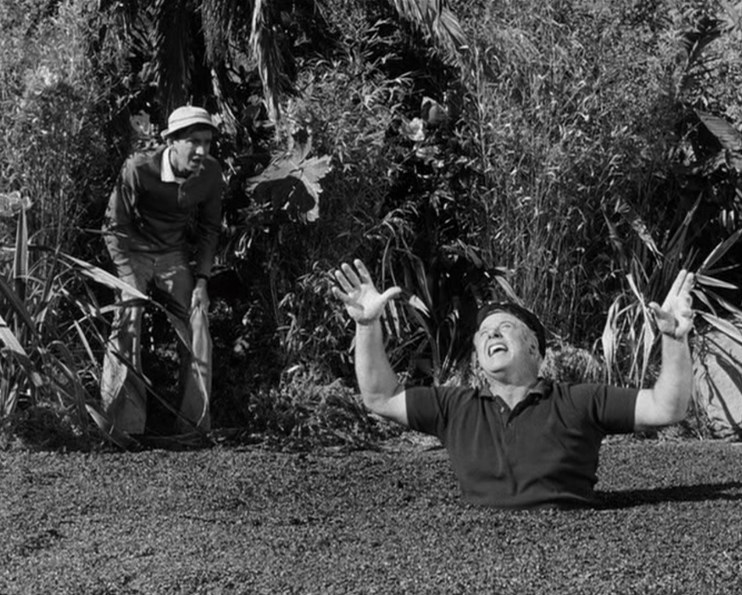
photo from Gilligan’s Island a 60’s sitcom
the staff of the Ridghewood blog
ARCHES NATIONAL PARK, UT – Forget the cheesy movie trope: quicksand is a very real, and very dangerous, threat in the wild. An experienced desert hiker learned this the hard way on Sunday when he became hopelessly trapped in the freezing early morning at Utah’s renowned Arches National Park.
Austin Dirks, a seasoned hiker who has logged thousands of miles, told reporters the ordeal was “the closest I’ve ever come to dying.”
The Nightmare Incident
Dirks was trekking through the upper end of Courthouse Wash just before sunrise when his foot plunged into what he thought was solid ground. After pulling one leg out, he shifted his weight:
“I sunk up to the knee. It felt like I had stepped into concrete, and then it hardened around my leg. I couldn’t even move it a millimeter.”
Trapped at a 45-degree angle, Dirks was stuck for a grueling two hours while battling near-freezing 20-degree temperatures. Fortunately, he used a GPS satellite messenger to alert authorities to his precise location, leading to a dramatic rescue captured by drone footage.
The Real Quicksand Threat vs. Hollywood Myth
Dirks admitted that before his terrifying experience, he had dismissed quicksand as “more of a folklore or a legend” found only in films.
While Hollywood often depicted people being swallowed whole by quicksand (a trope that largely disappeared after the 1970s), the reality, while less dramatic, is still lethal due to exposure and immobility.
The Science of Survival:
-
What it is: Real quicksand is water-saturated soil (sand, mud, and sometimes clay) that liquefies.
-
Buoyancy Fact: As shows like MythBusters demonstrated, the human body is generally denser than quicksand. You won’t sink completely—you’ll typically float, usually only sinking waist-deep.
-
The Danger: The real threat is immobility and exposure. Being stuck for hours in freezing temperatures, as Dirks was, leads to hypothermia and exhaustion.
Dirks stated: “How it’s depicted on TV is nothing like it is in real life… The human body is more buoyant than the quicksand, so you’ll never sink to above your head.”
Experts advise that if trapped, leaning back to distribute your weight can help relieve pressure around your legs and assist in a slow escape. Dirks credits his rescuers for saving his life after the harrowing two-hour ordeal.
Tell your story #TheRidgewoodblog , #Indpendentnews, #information, #advertise, #guestpost, #affiliatemarketing,#NorthJersey, #NJ , #News, #localnews, #bergencounty, #sponsoredpost, #SponsoredContent, #contentplacement , #linkplacement, Email: [email protected]