
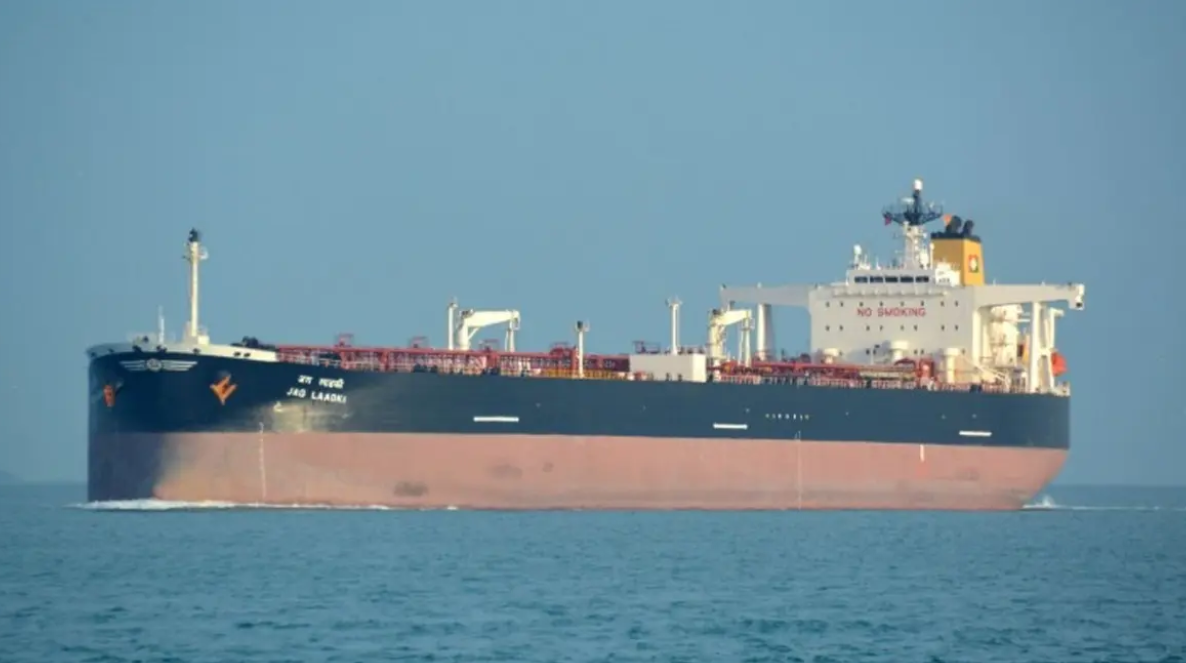
Trump Administration Weighs Emergency Jones Act Waiver to Lower Fuel Costs
the staff of the Ridgewood blog
Washington DC, Is relief finally coming to the gas pump? With the national average for gas jumping to $3.63 per gallon—a staggering 70-cent increase in just one month—the White House is considering a bold, “national defense” maneuver to stop the bleeding.
In a move that could shift the tides of the U.S. economy, Press Secretary Karoline Leavitt confirmed Thursday that the administration may temporarily waive the Jones Act, a century-old maritime law.
What is the Jones Act, and Why Does it Matter?
The Jones Act (Merchant Marine Act of 1920) requires that all goods shipped between U.S. ports be carried on ships that are:
-
U.S.-owned
-
U.S.-built
-
Manned by an American crew
While designed to protect the domestic shipping industry, the law limits the number of vessels available to move critical supplies. By waiving these rules, foreign-flagged ships would be allowed to deliver essential goods between American ports, immediately increasing transport capacity.
Targeted Relief: Fuel, Fertilizer, and Food
The proposed waiver isn’t a “catch-all,” but a targeted strike against soaring inflation. According to reports from Bloomberg, the easing of restrictions would specifically apply to:
-
Energy Products: Oil, gasoline, diesel, and natural gas.
-
Agricultural Necessities: Specifically fertilizer, which is vital for stabilizing grocery costs.
The Global Context: Why Prices are Soaring
The timing of this decision is no coincidence. Prices for energy and agriculture have skyrocketed since the U.S. and Israel launched strikes against Iran late last month. As the conflict in the Middle East escalates, the financial fallout is hitting American households through higher utility bills and grocery receipts.
“In the interest of national defense, the White House is considering waiving the Jones Act for a limited period of time to ensure vital energy products and agricultural necessities are flowing freely to U.S. ports,” said White House Press Secretary Karoline Leavitt.
What This Means for Your Wallet
The Trump administration is feeling the political heat as Americans grow “worn out” by the rising cost of living. By allowing more ships to enter the supply chain, the White House hopes to:
-
Lower Gas Prices: By streamlining the transport of oil and gasoline from the Gulf Coast to the Northeast and West.
-
Stabilize Food Costs: By ensuring fertilizer reaches American farmers without the “bottleneck” of limited U.S. vessels.
-
Ensure Energy Security: Preventing fuel shortages as the geopolitical situation remains volatile.
Quick Look: Gas Price Surge (March 2026)
| Timeframe | National Average (AAA) |
| Last Month | $2.94 / gallon |
| Current (Friday) | $3.63 / gallon |
| Change | +23.5% |
Follow the Ridgewood blog has a brand-new new X account, we tweet good sh$t
https://twitter.com/TRBNJNews
https://truthsocial.com/@theridgewoodblog
https://mewe.com/jamesfoytlin.74/posts
#news #follow #media #trending #viral #newsupdate #currentaffairs #BergenCountyNews #NJBreakingNews #NJHeadlines #NJTopStories
Tags: #BreakingNews #GasPrices #Economy #JonesAct #WhiteHouse #EnergyCrisis #Shipping #InflationRelief








Still cheaper than when Biden was ‘president’
Another bullshit law enacted when the mob ruled the waterfronts.
It’s 2026 and it still continues to today although with different mobs ( California Ports for one)
waive it and never bring it back.