
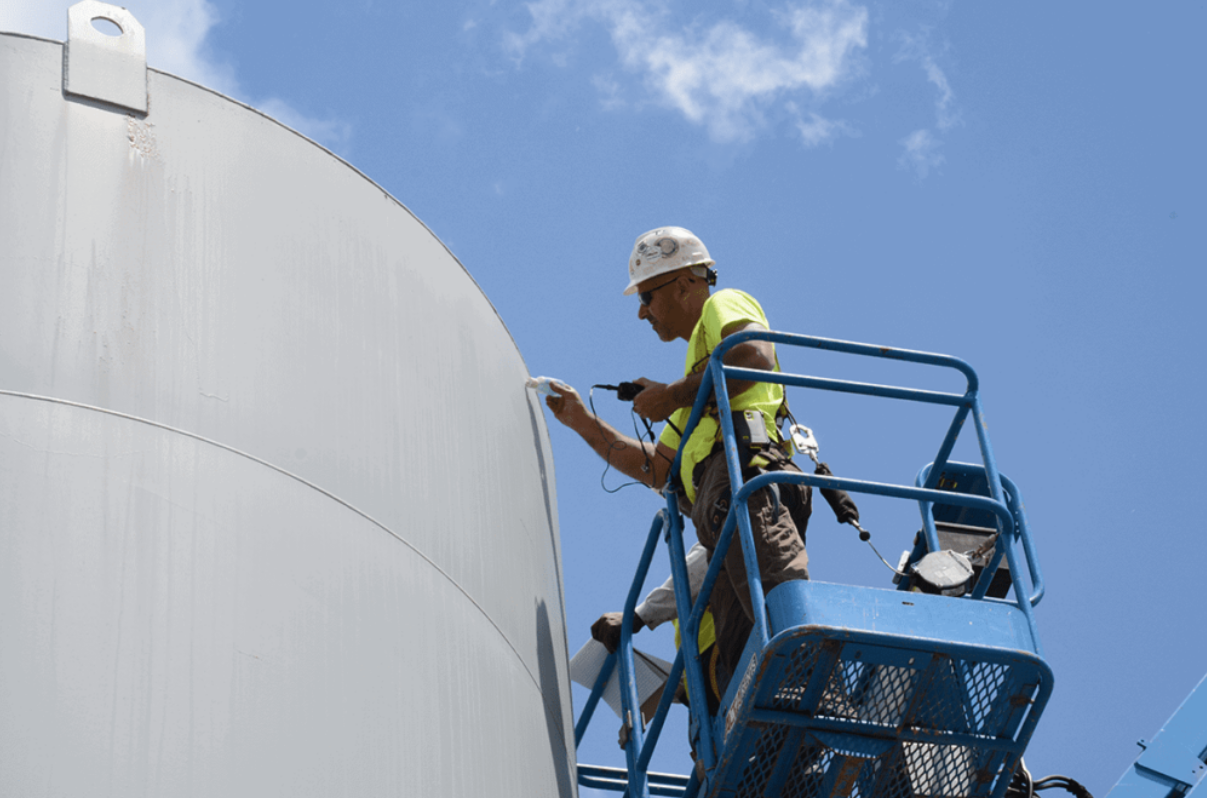
From a commercial property owner’s and facility manager’s point of view, fuel storage is a major operational liability compared to more conventional operations. The care and handling of fuel stored on-site, which has to comply with strict environmental and safety standards, will vary depending on whether you are using it to fuel a backup generator for a data center, to heat a multi-family apartment building, or for any other type of fuel storage.
For the above-mentioned examples, state regulations that govern when evaluations occur based on where your tank is located, the contents of the tank, and how your tank was built. As there are many layers to these laws and regulations, it takes a thorough understanding of both the state law and best practices within the industry to ensure the environmental safety of these storage tanks over the long term.
Understanding the Three-Year Rule for Underground Tanks (UST)
Your facility must comply with strict MassDEP 310 CMR 80.00 regulations. As the owner/operator of a UST system, you must have an inspection conducted by a Certified Third Party Inspector at least once every three years.
Securing a professional fuel tank inspection in Massachusetts is the standard for proving your facility is operating safely. This inspection is comprehensive, covering everything from leak detection systems and cathodic protection to spill buckets and sumps. Following the on-site evaluation, the inspector submits a Third-Party Inspection Report (TPIR) directly to MassDEP.
Compliance Synchronization: Do not wait until your three-year deadline to review your records. MassDEP also requires a “Compliance Self-Certification” every three years, which typically falls midway between your formal third-party inspections. Keeping these dates synchronized is vital for maintaining a “Return to Compliance” status.
Aboveground Storage Tanks (AST): Different Rules, Same Risks
For aboveground storage tanks, the requirements shift from state environmental mandates to fire safety codes and industry standards. In Massachusetts, tanks with a capacity of more than 10,000 gallons fall under the jurisdiction of M.G.L. Chapter 148, Section 37, which may require annual inspections or permits depending on the local fire department’s interpretation of the Comprehensive Fire Safety Code (527 CMR 1.00).
Even if your tank is smaller than the 10,000-gallon threshold, most insurance carriers and the EPA’s Spill Prevention, Control, and Countermeasure (SPCC) rule recommend following the STI SP001 or API 653 standards:
- Monthly Walkthroughs: These are typically performed by facility staff to check for visible leaks or signs of corrosion.
- Formal External Inspections: A certified professional should conduct these every five years.
- Internal Integrity Testing: Depending on the tank’s construction and its contact with the ground, internal inspections are often required every 10 to 20 years.
Common Compliance Questions for MA Property Owners
Local businesses often encounter confusion at the intersection of industry best practices and state law.
How frequently do I need to test my leak detection system?
The formal third-party inspection is conducted every three years, but leak detection equipment (interstitial monitoring devices, automatic tank gouging systems, etc.) will require annual functionality testing in all cases. One of the most common reasons for “non-compliance” findings during state audits in Massachusetts is documentation of annual testing was not maintained.
Does an approved municipal fire department regulate my inspection as a valid technical integrity inspection?
No. While your local fire department does issue permits for storing flammable liquids, the issuance of this permit does NOT represent a certified technical integrity inspection. The fire marshal certifies your legal right to store fuel, while certified technical integrity inspector certifies that your tanks are in integrity and won’t leak, contaminating the Massachusetts groundwater.
What are the recent changes to Massachusetts UST rules?
As of late 2021 and updated in 2024, MassDEP has increased the stringency of testing for sumps and spill prevention equipment. Owners are now required to perform integrity testing on turbine and dispenser sumps every three years to ensure they are liquid-tight.
Why Compliance Timing Matters for Your Insurance
In the United States, insurance underwriters are increasingly diligent about environmental riders. If your storage tank is overdue for its state-mandated three-year inspection, your insurer may have grounds to deny a claim in the event of a release. They view a missed inspection as a failure to maintain the property, which can transition a covered “sudden” accident into an uncovered “gradual” pollution event.
By maintaining a rigorous storage tank inspection schedule, you create a paper trail of due diligence. This documentation is essential not only for insurance renewals but also for the environmental “Phase I” assessments required during the sale or refinancing of commercial real estate in Massachusetts.
Responsible Use and Compliance Note
The information provided here is intended as a general guide to Massachusetts storage tank requirements and does not constitute legal advice. Regulations at the state (MassDEP) and local (Municipal Fire Department) levels are subject to change. Always consult with a certified environmental professional or a licensed attorney to ensure your specific facility meets current 310 CMR 80.00 or 527 CMR 1.00 standards. For official guidance, visit the Mass.gov UST Program page.
Conclusion
The initial action of proper facility management is create a policy regarding frequency of tank inspections. In Massachusetts, the “three-year rule” pertains to underground tank inspections, while the “five-year rule” pertains to external inspections of aboveground tanks and provides a basic framework for creating a responsible operational procedure. Proactive measures in conjunction with certified professionals will help to keep your fuel storage an asset to your organization and not a liability to the environment.







