
RNA-based nanotechnology that assembles itself inside living cells to stop the spread of disease
the staff of the Ridgewood blog
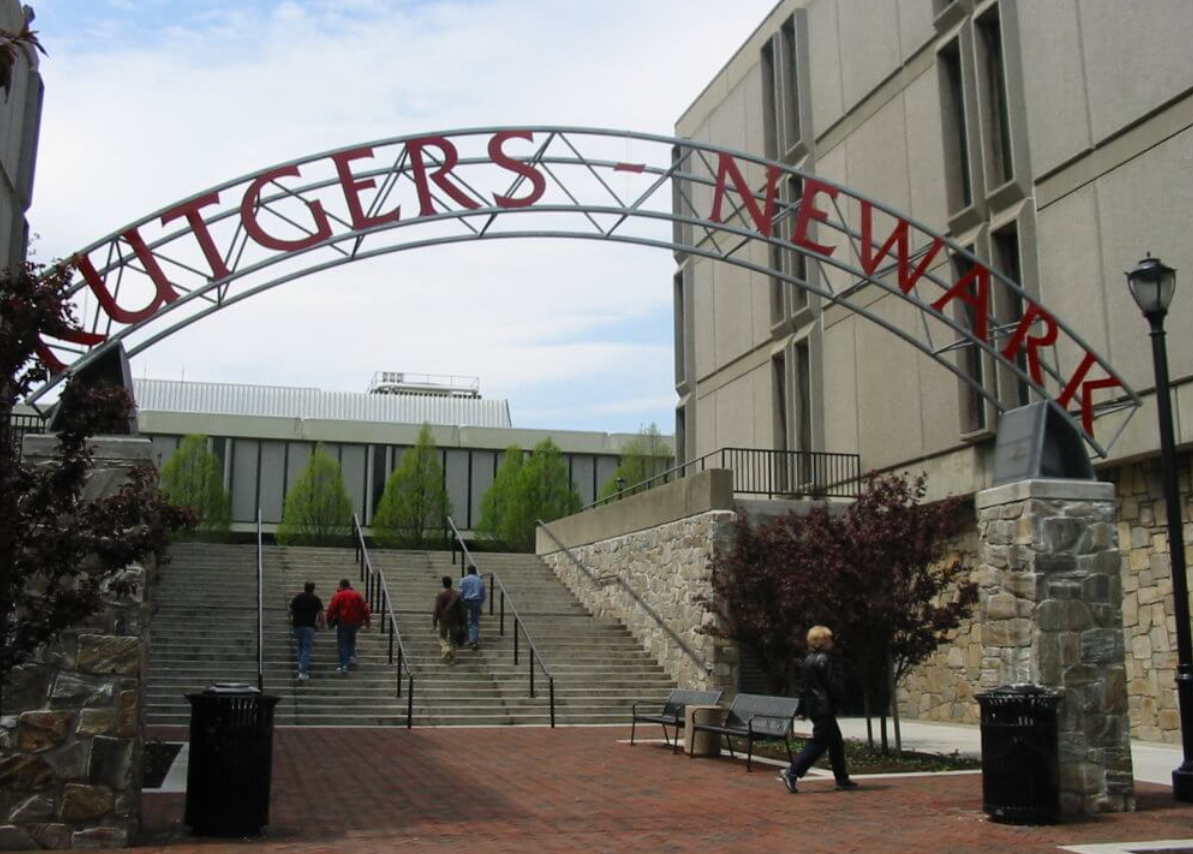
NEWARK, NJ — Imagine “programming” a human cell to identify and dismantle cancer from the inside out. Scientists at Rutgers University–Newark have achieved a world-first breakthrough in biomedical engineering by developing an RNA-based nanotechnology that assembles itself inside living cells to stop the spread of disease.
The research, recently published in the prestigious journal Nature Communications in February 2026, introduces a “software-like” approach to medicine that could revolutionize how we treat aggressive cancers and genetic disorders.
How It Works: Self-Assembling Molecular “Legos”
Traditional RNA therapies rely on delivering pre-built molecules into the body, which can be difficult for the immune system to accept. The Rutgers–Newark team, led by Professor Fei Zhang (Chemistry) and Professor Jean-Pierre Etchegaray (Biological Sciences), took a radically different approach.
Instead of “shipping” the medicine, they provide the cell with a synthetic DNA template. The cell then uses this template to “print” its own artificial RNA, which snaps together like tiny Lego blocks to form precise, functional structures.
-
Customizable Design: These structures can be programmed with specific “functional domains” to perform different tasks.
-
Targeted Precision: The RNA is engineered to recognize disease-specific signals, allowing it to attack only cancer cells while leaving healthy tissue untouched.
-
Multi-Target Capability: Unlike current treatments that target one molecule at a time, this platform can be programmed to hit multiple malfunctioning genes simultaneously.
Targeting the “Root” of Cancer: Stem Cells
The team is currently utilizing this technology to hunt cancer stem cells—the elusive “initiator” cells responsible for tumor growth, drug resistance, and relapse.
“We are trying right now to use this technology to target oncogenes and see if we can disable cancer stem cells,” said Professor Etchegaray. “They will no longer be able to promote tumor growth, metastasis, and even relapse.”
By disabling these high-resistance cells, the researchers hope to prevent cancer from returning after initial treatments like chemotherapy.
A New Era for RNA Therapeutics
This breakthrough comes at a time when RNA technology (popularized by COVID-19 vaccines) is reaching a fever pitch. The Rutgers-Newark platform is unique because it:
-
Operates Inside the Nucleus: The RNA assembles directly where genetic instructions are managed.
-
Integrates with Existing Meds: It can be combined with traditional RNA therapies to enhance their effectiveness.
-
Applies Beyond Cancer: The team believes the tech can be customized for any disease driven by “missexpression” of genes, including autoimmune and neurodegenerative disorders.
The Road to Clinical Trials
With a provisional patent already approved, the researchers are actively seeking industry partners and investors to move this from the lab into human clinical trials.
“If we can have more people on board and attract different interest from partners, that will make this going forward faster,” added Professor Zhang.
Tell your story #TheRidgewoodblog , #Indpendentnews, #information, #advertise, #guestpost, #affiliatemarketing,#NorthJersey, #NJ , #News, #localnews, #bergencounty, #sponsoredpost, #SponsoredContent, #contentplacement , #linkplacement, Email: [email protected]
Tags: #RutgersNewark #CancerResearch #Nanotechnology #RNA #Biotech #Innovation #HealthTech #NewarkNJ #CancerCure








So cool. Amazing scientists. Just brilliant !
Spend more money on this instead of foolish sports teams
Hell no. The science experiment that was the Covid vaccine which became a failure when they made it into an mRNa one which is not a vaccine. Which we are still trying to figure out what the long term damage will be when you interfere with your DNA and this could go horribly wrong. And could be hacked. I say there is no reason for that. Why don’t we figure out the real causes of cancer and seek to eliminate them instead of investing in this insanity. Just because you can do something doesn’t mean you should.