
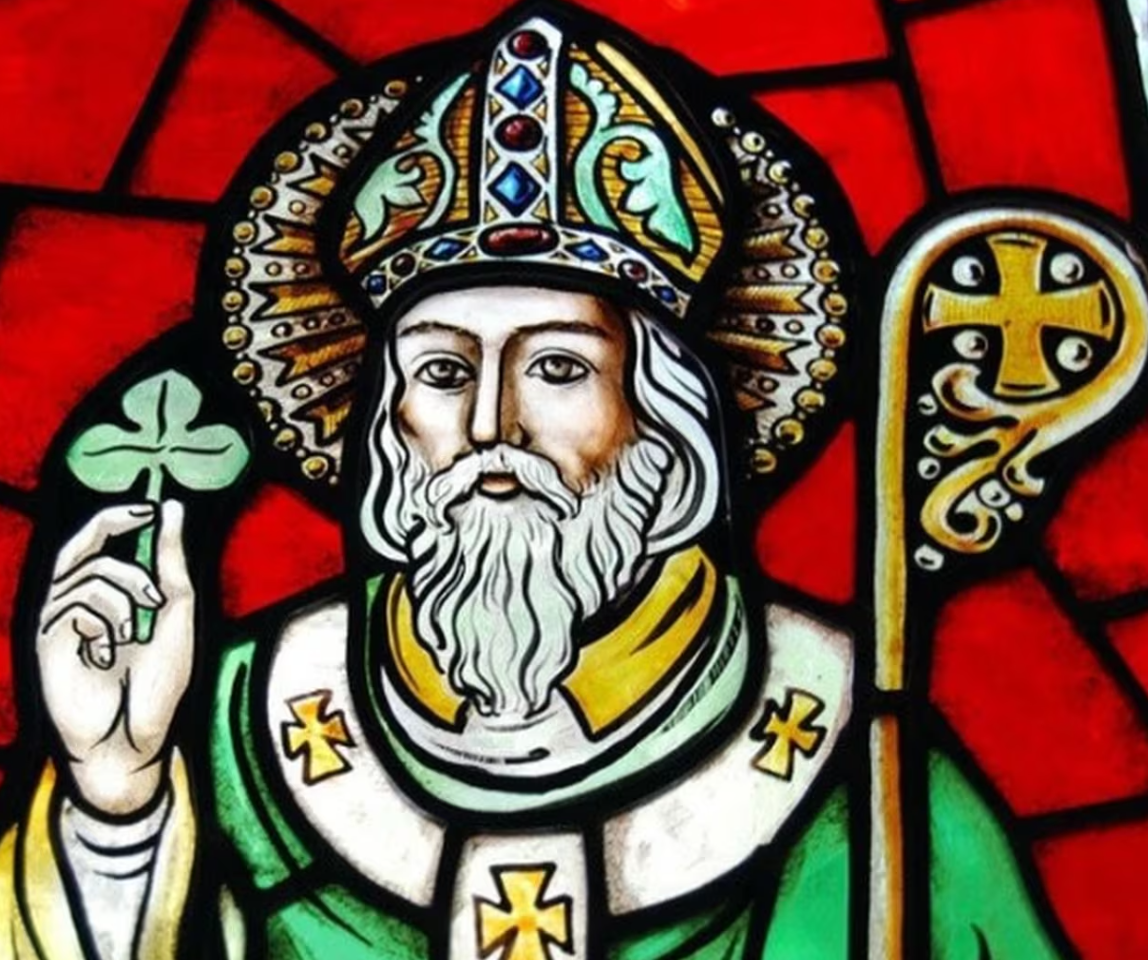
The Real Story: Unmasking the Origins of St. Patrick’s Day
the staff of the Ridgewood blog
Ridgewood NJ, Every year on March 17th, the world turns green. From Chicago dyeing its river to parades filling the streets of New York, St. Patrick’s Day has become a global phenomenon. But beneath the shamrocks, festive parades, and spirited celebrations lies a history that is far more complex—and often more surprising—than most people realize.
Who Was St. Patrick? (Hint: He Wasn’t Irish)
If you think St. Patrick was a native Irishman, you’re in good company, but you’re technically incorrect.
Historical records suggest that Patrick was born in Roman Britain (likely in what is now Wales or Scotland) in the late 4th century. At the age of 16, he was kidnapped by Irish raiders and sold into slavery in Ireland. He spent six years in captivity working as a shepherd before escaping and returning to Britain.
His return to Ireland—the very land where he was enslaved—is the stuff of legend. He eventually went back as a Christian missionary, playing a pivotal role in the spread of Christianity throughout the island.
Why March 17th?
St. Patrick’s Day is celebrated on March 17th because it is traditionally believed to be the anniversary of his death in the late 5th century (c. 461 A.D.). For over a millennium, it was observed in Ireland primarily as a solemn religious feast day, marked by church services and quiet reflection.
From Solemn Feast to Global Festival
So, how did we get from quiet religious observance to giant, carnival-like parades?
The transformation happened largely in the United States. During the 19th century, waves of Irish immigrants arrived in America, often facing significant discrimination. Public celebrations of their heritage became a powerful way to express cultural pride and unity.
-
The First Parade: Contrary to popular belief, the first documented St. Patrick’s Day parade didn’t take place in Ireland. It occurred in the American colonies in the 18th century.
-
Secularization: As Irish-American communities grew, the holiday evolved into a secular celebration of “all things Irish,” embracing food, music, and the vibrant culture that defines the Irish diaspora today.
St. Patrick’s Day Traditions: Fact vs. Folklore
-
The Shamrock: Legend says St. Patrick used the three-leaf clover to explain the concept of the Holy Trinity. While this is a foundational part of the lore, it wasn’t explicitly linked to him in written history until centuries after his death.
-
The Color Green: Believe it or not, the original color associated with St. Patrick was blue. Over time, green became the preferred color because of its association with Ireland’s lush landscape and the “Wearing of the Green” in Irish revolutionary songs.
-
Corned Beef and Cabbage: This is a classic Irish-American invention. When Irish immigrants arrived in the U.S., they found that corned beef was a cheaper, more accessible alternative to the traditional Irish bacon they ate back home.
The Takeaway
St. Patrick’s Day is a testament to the resilience and influence of Irish culture worldwide. Whether you’re celebrating the religious history, honoring Irish-American heritage, or just enjoying the festivities with friends, understanding the true origins of the day adds a layer of depth to the green-clad revelry.
- Tags: #StPatricksDay #IrishHistory #HistoryFacts #HolidayTraditions #CulturalHeritage #SaintPatrick







