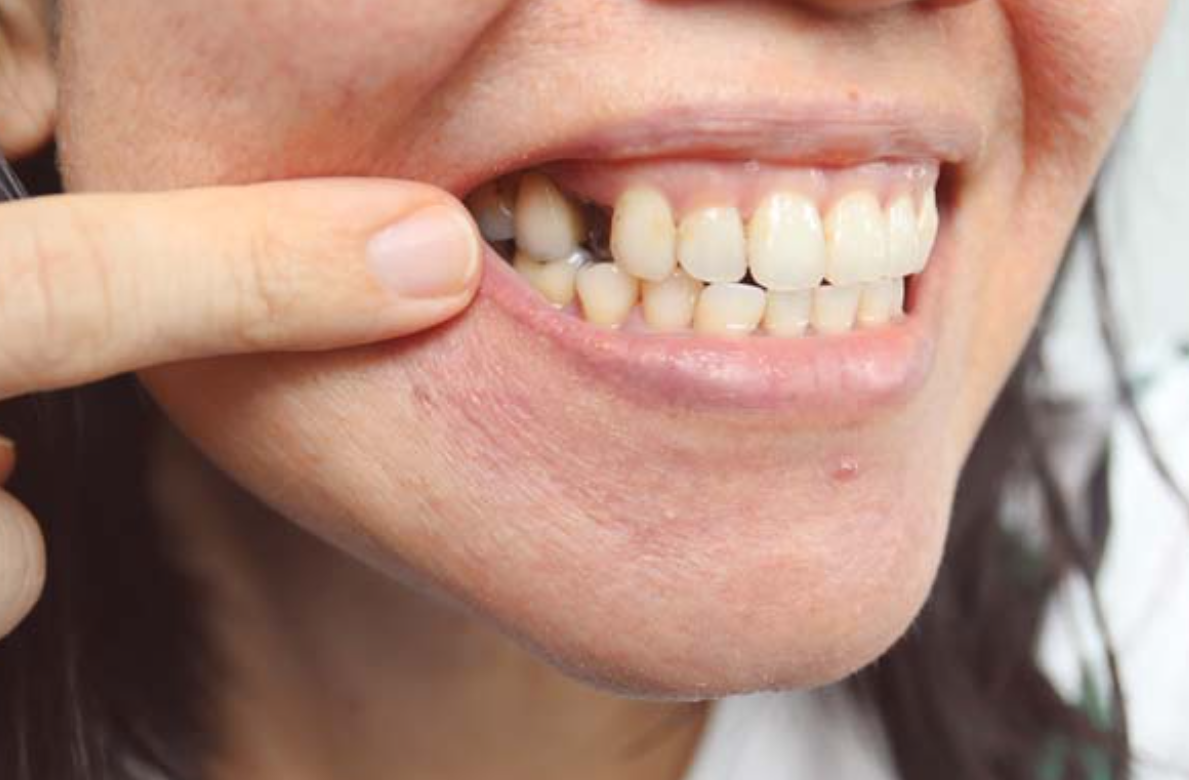
The sound of impact, the sudden sharp pain, the metallic taste of blood—dental trauma is a visceral experience that sends most people into immediate panic. One moment you are playing a pickup game of basketball or tripping on a rug, and the next, you are frantically checking to see if your smile is still intact.
Step 1: Assess the Damage
Before you rush to the car or call for help, take a moment to understand what has actually happened. Find a mirror and good lighting, if possible. You need to identify the type of injury to determine your next move.
Knocked-Out Teeth (Avulsion)
This is the most time-sensitive injury. Check if the tooth is completely gone from the socket. If it is, locate the tooth immediately. Pick it up by the crown (the chewing part), never by the root. The cells on the root are delicate and crucial for successful reimplantation.
Fractures and Chips
Look closely at your teeth. Are there jagged edges? Is a piece missing? If a significant portion of the tooth has broken off, try to find the fragment. Keep it moist, just like you would a whole tooth. Sometimes, a dentist can bond the fragment back onto the tooth.
Soft Tissue Injuries
Dental trauma rarely affects just the teeth. Check your lips, tongue, and cheeks for cuts or punctures. Bleeding in the mouth can be profuse due to the high volume of blood vessels, which makes the injury look worse than it is. Wipe the area gently with a clean cloth to see the extent of the laceration.
Step 2: Immediate Care
Once you know what you are dealing with, you need to administer first aid. Your goal is to stabilize the situation and preserve any damaged tissues or teeth until you reach a professional.
Handling a Knocked-Out Tooth
If an adult tooth has been knocked out, your priority is keeping it moist. The best place for the tooth is back in its socket. Gently rinse it with milk or saline (do not scrub) if it is dirty, then try to slip it back into place. Bite down gently on a clean handkerchief to hold it there.
If you cannot put it back in the socket, store the tooth in a container of cold milk or your own saliva. Do not put it in water; water can cause the root surface cells to swell and burst, lowering the chances of saving the tooth.
Controlling the Bleeding
For soft tissue injuries or bleeding sockets, apply firm, continuous pressure. Use a sterile piece of gauze or a clean cloth. Hold it there for at least 10 minutes. Avoid the temptation to check it constantly, as this disrupts the clotting process. If the bleeding does not slow down after applying pressure, you may need to visit an emergency room.
Managing Pain and Swelling
Trauma causes immediate inflammation. Apply a cold compress to the outside of your cheek near the injury site. This will help reduce swelling and numb the pain. You can also take over-the-counter pain relievers like ibuprofen or acetaminophen, but avoid aspirin if you are bleeding, as it acts as a blood thinner.
Step 3: Contact Your Dentist
Home care is only a stopgap measure. You need professional intervention as soon as possible. Call your dentist immediately. Most dental offices leave room in their schedules for emergencies, and many have after-hours numbers for situations exactly like this.
Be clear when you call. State that you have had a dental emergency. Tell them exactly what happened: “I have a knocked-out tooth,” or “I have a severe fracture exposing the nerve.” This information helps them prepare for your arrival and triage your case.
If your regular dentist is unavailable, look for an emergency dental clinic. If you have experienced severe trauma to the face or head (loss of consciousness, dizziness, nausea), bypass the dentist and go straight to the nearest hospital emergency room.
Step 4: Temporary Solutions
Sometimes, you cannot get to a dentist within the golden hour. You might be camping, traveling abroad, or stuck in a situation where professional care is hours away.
In these instances, you can use a temporary dental filling material found in most pharmacy dental first aid kits to cover a sensitive, broken tooth. This protects the exposed pulp from bacteria and temperature changes. If you have a wire or bracket from braces poking your cheek, cover the sharp end with orthodontic wax or even a small piece of cotton.
However, remember that these are strictly temporary measures. They do not fix the underlying damage and should not delay your visit to the dentist once you can go.
Step 5: Long-Term Care and Prevention
After the immediate crisis is resolved, the journey isn’t quite over. Dental trauma requires monitoring. A tooth that was knocked out and reimplanted may need a root canal later if the nerve dies. Fractured teeth may need crowns or veneers to restore their appearance and function.
Follow-Up Treatments
Attend all follow-up appointments. Your dentist will check for signs of infection or complications like root resorption, where the body rejects the reimplanted tooth. In cases where a tooth cannot be saved, you might discuss replacement options, such as bridges or same-day dental implants in Lufkin, TX, which can restore your smile quickly.
Prevention is Key
The best way to handle dental trauma is to avoid it. If you or your children participate in contact sports, a custom-fitted mouthguard is non-negotiable. It is a small investment that offers massive protection against chipped, broken, or knocked-out teeth. Additionally, avoid using your teeth as tools to open packages or bottles, as this weakens the enamel and invites fractures.
Conclusion
Dental emergencies are frightening, but panic is your enemy. By methodically assessing the injury, administering immediate care, and seeking professional help without delay, you significantly increase the odds of a positive outcome. A knocked-out tooth doesn’t have to stay lost, and a broken smile doesn’t have to be permanent. Keep this guide in mind, and you will be ready to act when it matters most.