
Immediate Action Required: Protecting Your Family and Pets from Rabies Exposure
the staff of the Ridgewood blog
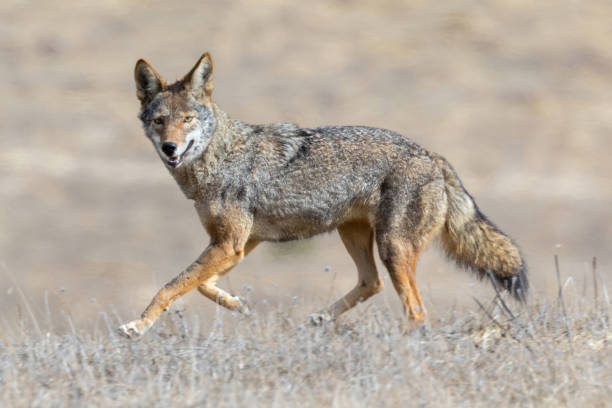
Ho-Ho-Kus NJ, residents of Northwest Bergen County are urged to exercise extreme caution as wildlife activity, particularly involving coyotes, increases. Rabies, a preventable but nearly always fatal viral disease in mammals, poses a significant public health risk. The Northwest Bergen Regional Health Commission is working directly with affected residents and issuing critical safety reminders.
Understanding the Threat: Recognizing Rabies Symptoms
Rabies is transmitted through the bite or saliva of an infected animal. It is crucial to recognize the signs in both humans and animals, as immediate treatment is vital.
| In Humans | In Animals |
| Early: Fever, headache, general weakness. | Behavioral Changes: Unprovoked aggression or unusual friendliness (loss of fear). |
| Later: Insomnia, anxiety, paralysis, difficulty swallowing, fear of water (hydrophobia). | Physical Signs: Lack of coordination, paralysis, disorientation, or confusion. |
| Outcome: Once neurological symptoms appear, rabies is almost always fatal if post-exposure prophylaxis is not received. |
Coyote & Wildlife Safety: Secure Your Neighborhood
Coyotes and black bears can lose their natural fear of humans when food is readily available—either intentionally or unintentionally. This habituation is the single greatest risk factor for human-wildlife conflict.
7 Essential Safety Recommendations:
- Dusk and Dawn Alert: Coyotes are most active during these times. Avoid walking pets at dawn or dusk. Use a short leash and remain alert.
- Child Supervision: Always closely watch children playing outdoors or waiting for school buses, especially in areas where coyotes have been sighted.
- Remove Attractants: Secure garbage bins and immediately remove sources of food like birdseed and pet food stored outdoors.
- Secure Property: Install motion-sensor lights to help deter wildlife from entering your yard.
- Vaccinate Pets: Keep your pets up to date on rabies vaccinations. Remember, pets are not fully immunized until 28 days after their first vaccine.
- Avoid Contact: Never feed or touch wild or stray animals (including bats, skunks, raccoons, foxes, coyotes, or groundhogs). Keep pets leashed and do not allow them to roam freely.
- Know the Law: Most municipalities have ordinances that strictly prohibit feeding wildlife in public parks or on Borough property. Violations help protect public health by reducing wildlife attraction.
Immediate Response: What to Do in an Emergency
If You See Abnormal Animal Behavior:
Do NOT approach the animal. Immediately report any animal exhibiting abnormal, sick, or aggressive behavior to Animal Control by contacting Police Dispatch.
If You or Your Pet Are Exposed:
| Scenario | Action Required |
| Human Bite/Exposure | 1. Wash the wound thoroughly with soap and water. 2. Seek medical attention immediately. 3. Contact your doctor and your local health department (Northwest Bergen Regional Health Commission). |
| Pet Exposure | Immediately contact your veterinarian if your pet has contact with a bat, raccoon, skunk, or other wild carnivore. |
By taking these steps, you are helping to keep our community safe and healthy.
Join the new Saddle River Valley, Ramapo and Pascack Valley Communities Facebook group
https://www.facebook.com/groups/1931704860512551/
#news #follow #media #trending #viral #newsupdate #currentaffairs #BergenCountyNews #NJBreakingNews #NJHeadlines #NJTopStories








I bought a whistle….they don’t like the shrill sound.