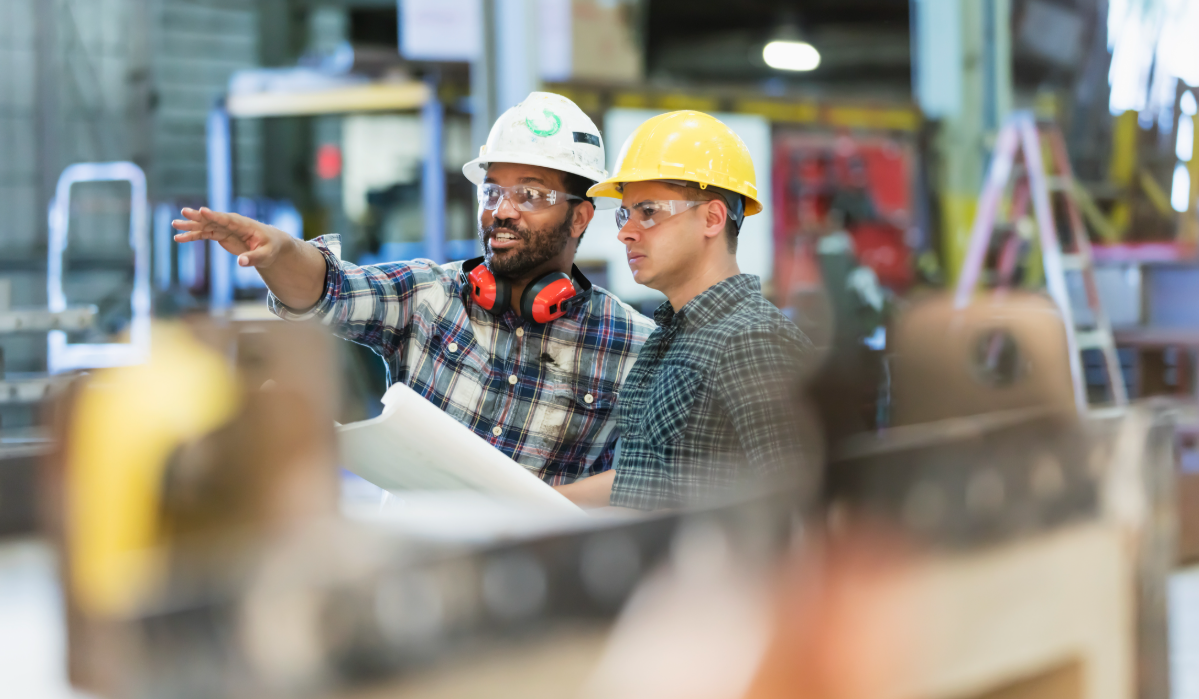
Tech, Trust, and Transformation: The 2026 State of the Manufacturing Workforce
the staff of the Ridgewood blog
Ridgewood NJ, For decades, the “shop floor” was synonymous with manual labor. In 2026, it’s becoming the front line of the global tech revolution.
According to the newly released 2026 Career Advancement in Manufacturing Report—a joint study by Xometry, Thomas, and Women in Manufacturing—the industry is undergoing a massive cultural and technological shift. From a surge in AI adoption to a surprisingly high “accidental” workforce, here is what 1,000 North American manufacturing professionals have to say about the future.
The AI Effect: Why Workers Are Recommending Manufacturing
One of the most striking findings is the role of advanced technology in job satisfaction. Among shop floor workers who recommend the industry to others, 36% cite the opportunity to work with AI and automation as their primary reason.
Manufacturing isn’t just about making things anymore; it’s about managing the systems that make them. This tech-first mindset has led to a staggering 90% optimism rate regarding the industry’s future.
The “Discovery Gap”: Falling Into a Career You Love
The report reveals a fascinating “discovery gap”: most people in manufacturing didn’t actually seek it out.
-
82% of Management and 48% of Shop Floor workers say they “fell into” the industry rather than actively pursuing it.
-
Gender Divide: Only 23% of women entered the industry intentionally, compared to 35% of men.
Despite the lack of initial intent, the retention rate is high. 81% of respondents feel valued by their employers, and 82% would recommend the career path to a friend.
What Drives Satisfaction? (It’s Not Just Pay)
While compensation is always a factor, manufacturing professionals are increasingly motivated by the nature of the work itself. Respondents ranked their top motivators as:
-
Career Growth (73%)
-
Challenging Problem-Solving (71%)
-
Long-term Stability (61%)
The Labor Shortage is Cooling (But Still Critical)
The good news? The talent gap is narrowing. In 2024, 83% of manufacturers reported labor shortages. In 2026, that number has dropped to 74%.
However, the “technical talent” wall remains. Entry-level production roles are currently the hardest positions to fill, suggesting that while the industry’s image is improving, the pipeline for new talent still needs reinforcement.
The Modern Benefit Package: Mentorship is Non-Negotiable
In addition to flexible schedules and 401k matches, the 2026 worker wants a mentor. Over 60% of employees state that dedicated time for mentorship during work hours is essential. Their goals are clear:
-
Career Guidance (54%)
-
Leadership Skills (45%)
-
Technical/Process Skills (33-34%)
Industry Insight: Manufacturers that bridge the “human-tech gap” by pairing AI tools with robust mentorship programs are seeing the highest levels of retention and productivity.
Final Thought
The 2026 data proves that manufacturing has rebranded itself. It is no longer the “fallback” option, but a high-tech, stable, and fulfilling career path for those who enjoy solving the world’s most complex physical problems.
Take the Wall Street Walking Tour https://www.facebook.com/unofficialwallstreet #WallStreetTours,#FinancialDistrictExploration, #ExploreWallStreet, #FinancialHistoryTour, #StockMarketExperience, #FinancialDistrictDiscovery, #NYCFinanceTour,#WallStreetAdventure
- Tags: #ManufacturingTrends #AIatWork #CareerGrowth #Workforce2026 #STEMCareers #IndustryOptimism