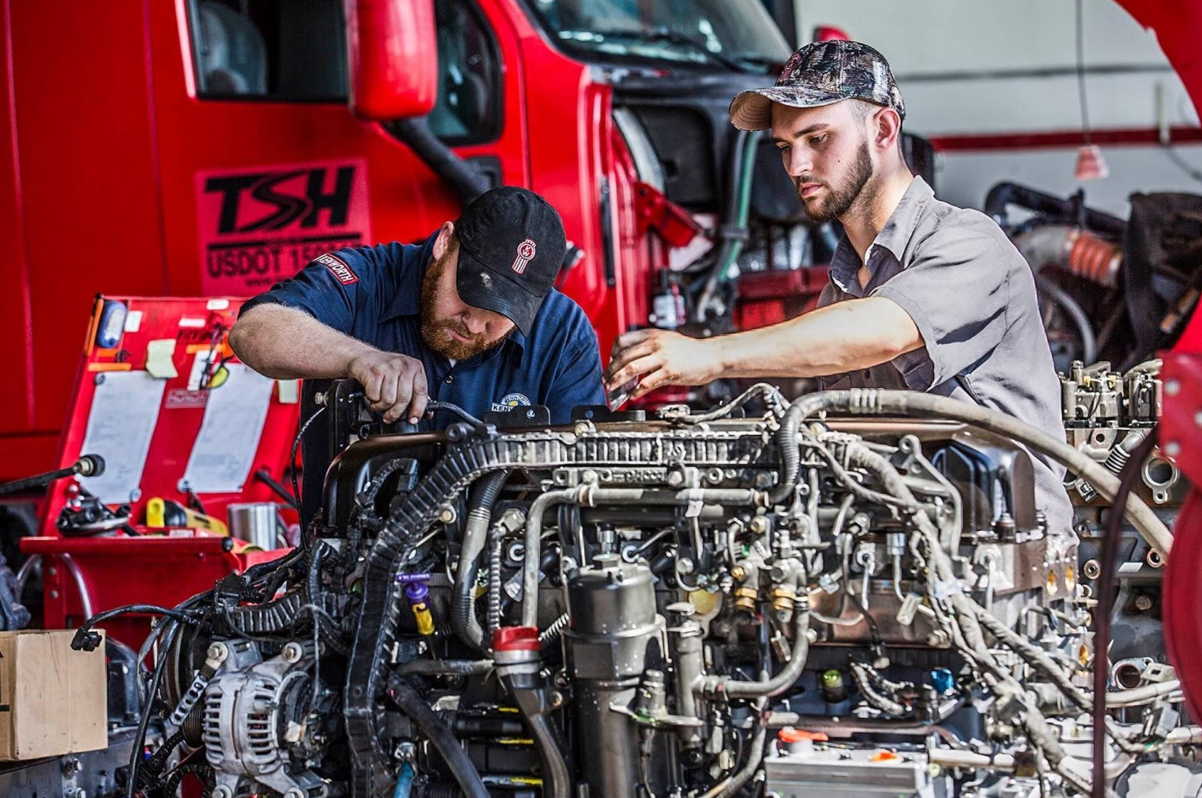
Why Stock Diesel Engines Fall Short
Factory diesel engines churn out mediocrity from the assembly line. Engineers bolt together blocks and turbos for the lowest bidder, squeezing every cent from the build. They aim for the dead-center buyer, the one who hauls groceries or light trailers without complaint. Performance? Buried under layers of emissions gear and cost-slashing alloys. Owners drive these beasts blind, convinced the sluggish pull and flat torque curve define diesel life. Bullshit. These motors hide raw fury, throttled back by bean counters who fear lawsuits more than lost sales. You push the pedal, and half the cylinders wake up late. That’s not engineering. That’s sabotage.
The Real Impact on Fuel Economy
Upgrades claw back efficiency from the jaws of waste. Stock setups guzzle diesel because air-fuel mixes stay sloppy, turbos lag, and injectors spray like drunk firemen. Optimize the injectors, and combustion sharpens. Fuel burns clean, not half-cooked in the chamber. Studies from the EPA show tuned diesels shave 15-20% off consumption under load. Neglect that, and your tank drains faster than a leaky radiator. Long hauls turn into wallet bleeders. Owners chase cheap gas tricks while their engine starves on inefficiency. Upgrade the fuel system, watch miles stack without the pit stops. Savings compound like interest on a smart bet. Ignore it, and you’re subsidizing the oil barons.
Common Wear Patterns in Aging Diesel Motors
Pistons score from dirty oil sloshing through weak pumps. Turbos seize when seals crack under heat cycles no stock bearing can handle. Injectors clog with carbon buildup, starving cylinders until they knock like loose gravel. Valves warp from exhaust backpressure that factory manifolds trap like a vice. Skip maintenance, and rust eats the block from the inside. Oil changes every 5,000 miles? That’s a joke. These patterns accelerate when you baby the rig with synthetic lies instead of real intervals. Preventive bolts, like reinforced rods or better cooling, halt the decay before it bites. Repairs later? They gut your garage budget. Upgrades buy time. Neglect buys regret.
How Quality Upgrades Transform Performance
Power surges hit like a sledge on an anvil. Throttle snaps instant, no more pedal-mashing lag. Towing capacity jumps 30% because torque multiplies without the smoke show. Before: a 6.7L Cummins drags a 10,000-pound trailer at 1,800 RPM, straining like a chained dog. After a turbo swap and tune, it pulls smooth at 1,400, engine breathing easy. Intercoolers chill the intake charge, packing denser air for bigger bangs. Exhaust flows free through mandrel bends, shedding backpressure like dead weight. Response sharpens because ECU maps match the hardware, not some generic flash. You feel it in the seat. The truck wakes up.
Choosing the Right Diesel Performance Parts for Your Needs
Selecting appropriate diesel performance parts depends on your specific use case, whether for heavy towing, daily commuting, or recreational off-roading. Haulers need beefed-up transmissions to swallow the torque. Commuters chase quiet injectors that sip without drama. Off-roaders bolt on oil coolers to beat the dust-choked heat. Assess your routes first. Mud trails demand lift kits and snorkels over raw horsepower. Match the parts to the punishment. Compatibility seals the deal, or you chase leaks and codes. Universal kits flop because no engine wears the same scars. Tailor it, or waste the cash.
The Durability Question: Do Upgrades Last?
Skeptics whine about fragility, but quality steel laughs at stock tin. Forged cranks endure 500,000 miles where cast iron cracks at 200,000. Ceramics in bearings shrug off friction that melts factory grease. Engineers layer in alloys that resist the grind, not just pass codes. Warranties from solid shops cover the gamble, backed by dyno tests that expose the weak. Reputable names like Bilstein or Garrett prove it in the field, not brochures. Cheap knockoffs die fast. Real ones outlast the truck. Doubt fades when you see the logs. They hold.
Installation and Maintenance Realities
Bolt-ons like air filters swap in an afternoon with basic tools. Turbos and tunes demand lifts and scanners, or you risk bricking the ECU. Pros handle the wiring maze without shortcuts. DIY works if your hands know the torque specs cold. Upgrades shift the calendar: oil every 7,500 now, filters less often because flow stays pure. Neglect the new schedule, and you void the gains. Clean the intercooler yearly, or efficiency drops like a clogged artery. It’s not harder. It’s smarter. Own it.
The Resale Value Factor
Upgrades spike value for buyers who get it. A tuned Duramax with documented mods fetches 10-15% more than bone stock. Enthusiasts hunt the extras: programmers, stacks, gauges that scream capability. Slap-on chrome? It tanks the appeal, looks like poser bait. Financially, recoup half the cost on trade-in if you stick to reversible tweaks. Overdo the wild, and dealers slash for the revert hassle. Smart mods pay forward. Flashy ones burn cash.
Making the Decision: Performance Versus Stock
Stock keeps you vanilla, reliable until the wear bites hard. Upgrades demand cash upfront but deliver control. The weekend warrior sticks stock, hauls light, sleeps easy. The daily grinder upgrades for the edge, cuts costs over years. Facts stack: efficiency wins long-term, power sells the thrill. Profiles clash. Choose your fight.
Moving Forward with Confidence
Diesel owners face the upgrade fork with eyes open. Benefits stack power and savings. Trade-offs hit the wallet first. Research the shops. Test the fit. Decide based on your road. Act now.