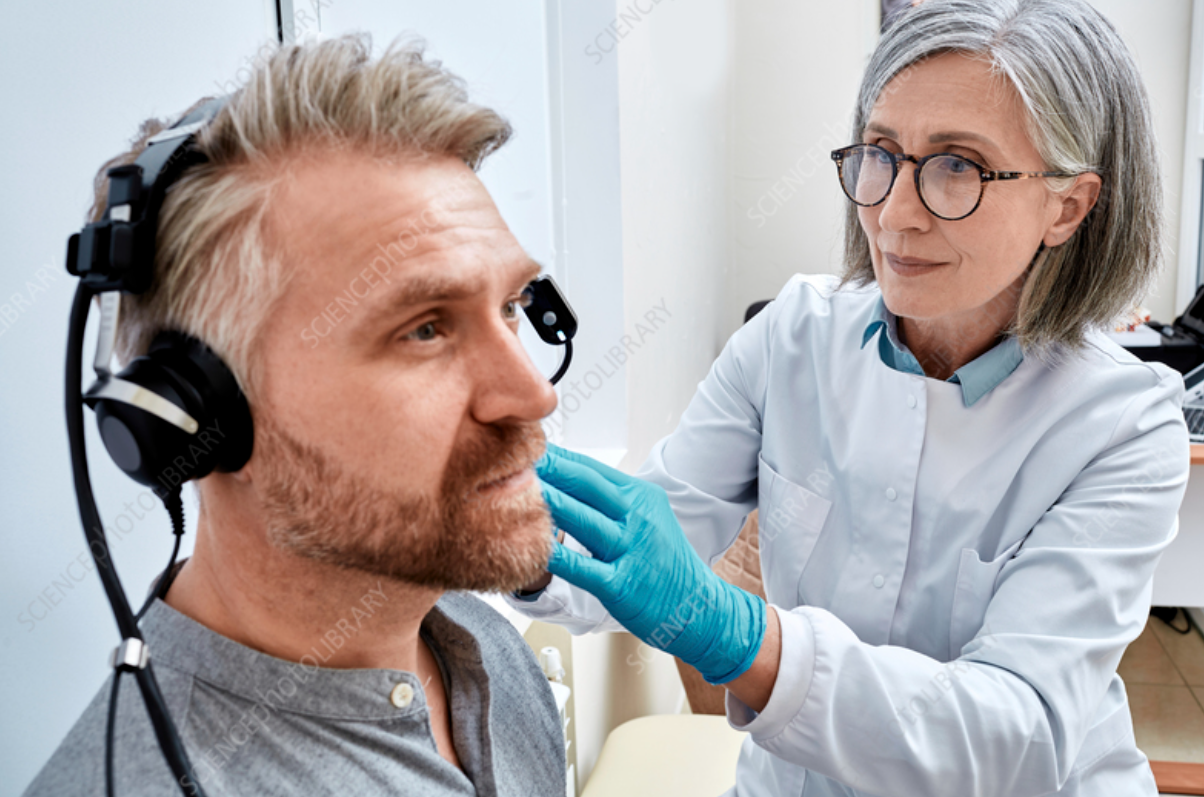
Hearing health is something many people take for granted until it becomes a serious problem for them to deal with. Most people find that they experience some amount of gradual hearing loss from time to time, but the effects from that loss can be very damaging to your overall health and well-being, such as how you interact with others in social situations. We currently have a growing body of knowledge of how the untreated ear issues will continue to impact people negatively throughout the rest of their lives, and as a result, we continue to have more and more people talking about how to make hearing care much easier for the public to access and afford.
Hearing care providers in areas such as Ridgewood and other areas in New Jersey have started to treat hearing health as an important part of your preventative care. Also, knowing what your risks are with untreated hearing loss, along with what your options are for treating hearing loss, can help you to make the best choice for your specific situation before your small problems develop into bigger ones.
How Common Hearing Loss Really Is
All age groups can suffer from hearing loss, not only older individuals. Hearing loss can occur for many reasons in both children and young adults, in addition to hearing loss due to normal aging; examples of these causes include listening to music through headphones for long periods, job site exposure to noise, and exposure to noise in the community. Various public health studies have estimated that millions of American adults have some type of hearing impairment and most of them do not seek treatment for their hearing problems for several years.
The reason for this delay is often stigma, cost, or the belief that hearing loss is a normal process associated with aging and does not merit treatment. Failing to act on your hearing problem can worsen your problem over time, and then treatments available at that time may be much more complicated than if treated early.
The Hidden Consequences of Untreated Hearing Loss
Hearing loss not only affects the body but the mind and soul also. Research shows, if you do not take care of your hearing and get treated; you may find yourself socially isolated, depressed, anxious, and cognitively declining.
Communicating is a problem for the hearing-impaired, and hence they avoid participating in communication in various functions such as family gatherings and community events. This makes them lonely.
For the hearing-impaired in the workplace, their condition impacts their productivity and self-esteem. Many competent persons get stressed and frustrated trying to understand the instructions and what they have not heard due to their inability to hear.
It is important to address the hearing problems as soon as possible so that one can be more engaged, feel more confident, and be more connected to the environment.
Why Many People Delay Hearing Care
There’s a large stigma surrounding seeking help for hearing loss, even though treatment greatly benefits your quality of life. One major barrier is cost. It can be expensive to receive hearing aids and related services, and many insurance options cover either very little or nothing at all. This leads many to feel like they either have to pay a lot of money all at once or don’t have access to care at all.
Another challenge with seeking help for hearing loss is education. Some people are not really sure if their hearing problems are “bad enough” to require professional assistance. Others may be unaware that hearing technology has advanced tremendously: there are now hearing devices that are discreet, customizable, and work extremely well.
Advances in Modern Hearing Technology
Hearing aids today can be extremely advanced compared to years gone by. Most people continue to envision hearing aids as being large devices, which are clunky and difficult to wear and use; however, modern hearing aids, like those from Phonak, are typically very small and can automatically adjust to different types of environments (e.g., low background noise vs. loud speaking), reduce background noise, and increase speech clarity. Many of these new models enable users to connect wirelessly via Bluetooth to smartphones, television sets, and other electronic equipment to provide an effortless listening experience for users.
As a result, hearing synthesizers have evolved into tools that do more than just restore a person’s ability to hear; they also serve to enhance the entire quality of one’s life. Nonetheless, gaining access to such products continues to rely heavily on affordability/access/financial flexibility.
Making Hearing Care More Accessible
The increase in the public’s interest in their hearing health and the number of people who want to pay differently for their hearing health services has created an increased demand for flexible ways to finance their hearing health. The vast majority of hearing health care providers now understand that cost is a significant factor when determining whether a person will follow through on the recommended treatment for their hearing health. Some hearing health care providers have implemented ”patient-friendly” payment plans to help bridge the disparity between need and access.
One such example of a payment plan is Cherry. Cherry is a financing option for patients to pay for their audiology service costs over time (versus all at once), allowing patients to make monthly payments so that they can prioritize their health without being put in a poor financial situation.
This allows patients to get the care they need from their audiologist sooner, rather than later when they might have been financially able to do so.
The Role of Community Awareness
Communities are significant in making it common to speak publicly about hearing health. Participating in open dialogue about hearing health helps reduce the stigma that exists with hearing and encourages taking proactive measures when seeking a solution. Communities can provide assistance to people with hearing issues and to their families by supplying resources (such as blogs) or by partnering with local healthcare providers, with the goal of increasing awareness of the public services available that will educate individuals regarding the importance of early intervention.
When young children or their elderly family members have difficulty hearing, understanding how hearing loss affects their ability to learn, talk and gain independence (and how best to assist them) provides everyone with an opportunity for timely intervention that can lead to increasing everyone’s ability to learn, communicate and be independent.
Taking the First Step Toward Better Hearing
The hardest part of taking action to improve your hearing is usually the first step. Yet, this step is also the most important one to achieve good hearing. Getting a hearing test and asking questions about the process and your options will help you understand the process and make the best choice for your hearing. There are many options to choose from and even minor changes or early intervention can have a huge impact on your quality of life.
Looking Ahead
Hearing health is a very real and manageable component of one’s overall health. The more we develop technology and expand the availability of hearing care services the more accessible and achievable hearing health will be throughout one’s lifetime. Individuals and families will be empowered to make everyday choices to build a future of good health and happiness through education, intervention early in life, and affordability.
Hearing enables our interaction with the world; thus, when we invest in hearing health, we are also investing in our ability to communicate, build relationships and promote independence for ourselves and our community.