Picture your favorite coastal town. What comes to mind? Is it the quaint street with ice cream shops? The sound of seagulls? The restaurant with the perfect sunset view?
Now, look closer. Chances are, the vibrant, beating heart of that town is its waterfront. And the functional core of that waterfront, the very thing that connects the land to the sea, is its marina. More specifically, its commercial marina docks.
We often overlook them as simple, functional infrastructure, just a place to park boats. But in the world of coastal tourism, these docks are far from passive. They are a powerful, active engine. They are the gateway, the attraction, and the economic anchor that transforms a quiet seaside village into a bustling, must-visit destination.
Here’s how these humble structures play a massive, and often uncredited, role in promoting and sustaining coastal tourism.
The Gateway for the “Floating Tourist”
First, and most obviously, commercial marina docks are the essential “welcome mat” for one of the most valuable tourist demographics: the boater.
Boaters, whether they’re local weekenders or long-distance cruisers (often called “transient boaters”), travel with their own accommodation. But they need a safe, reliable, and comfortable place to “check in.” A high-quality marina is their version of a five-star hotel.
- Access is Everything: Without a well-maintained dock, a boater simply cannot visit. They will sail right on by to the next town that can accommodate them.
- Amenities as a Magnet: Modern boaters need more than just a place to tie a rope. They are looking for reliable power, clean water, fuel, Wi-Fi, and safe, stable walkways. A well-equipped marina provides these, turning a “maybe” stop into a “must-stay” destination.
- A Captive, Spending Audience: When these boaters step off their vessels, they become land-based tourists, and they come ready to spend. They are a captive audience in need of groceries, laundry, boat repairs, and, most importantly, onshore experiences. They flood into local restaurants, book tours, and shop in local boutiques.
A town that invests in its commercial marina docks is, in effect, building a high-capacity landing pad for a high-spending demographic that would otherwise be unreachable.
The Marina as an Attraction in Itself
Here’s a secret that coastal towns know well: most of the people who love marinas don’t even own a boat.
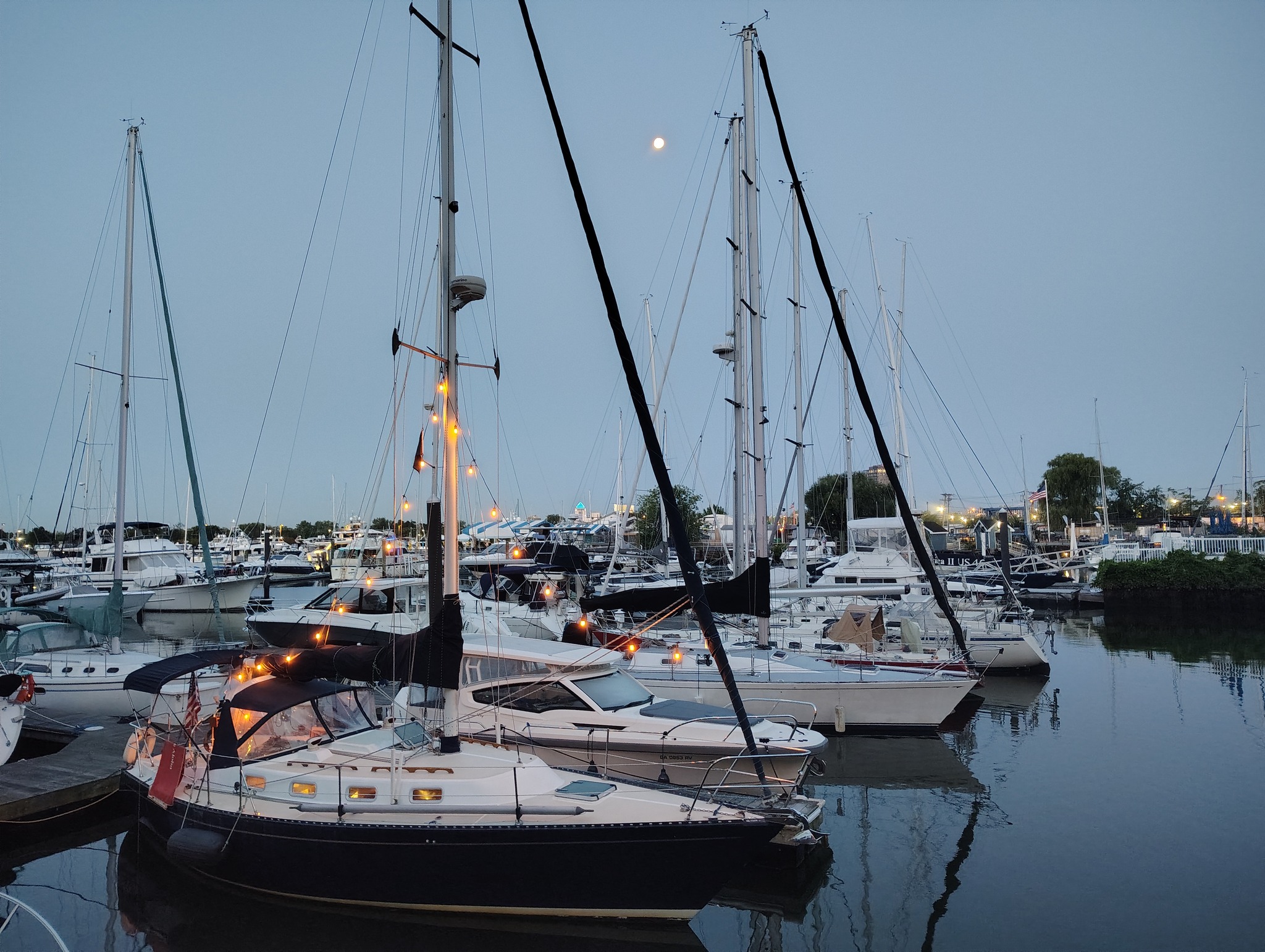
Think about it. Where do land-based tourists go for a stroll? Down to the harbor. A marina full of bobbing masts, sleek yachts, and weathered fishing boats creates an atmosphere. It’s a “vibe” that people can’t get anywhere else. It represents a lifestyle of freedom, adventure, and luxury that is fascinating to be near.
This “nautical lifestyle” spectacle is a powerful, passive tourist draw.
- It provides the perfect backdrop for waterfront dining. A restaurant with a view of a parking lot is one thing; a restaurant with a view of a million-dollar yacht harbor is another.
- It creates a sense of place and prestige. A clean, modern, and busy marina signals that this is a high-quality, desirable destination.
- It provides a free, family-friendly activity. People will spend hours walking the docks, dreaming, and taking photos, all while staying in the area and, eventually, spending money at the adjacent shops.
The Launchpad for the Entire Blue Economy
This is perhaps the most critical role: commercial marina docks are the physical platform for countless other tourism businesses. They are the functional “Main Street” of the on-water economy.
Without these docks, an entire ecosystem of tourism-based businesses simply couldn’t exist. These include:
- Charter Fishing: The lifeblood of many coastal towns, running multiple trips a day.
- Whale Watching & Eco-Tours: These businesses rely on safe, accessible docks to board dozens of passengers at a time.
- Boat Rental Companies: From small kayaks and paddleboards to pontoon boats and day-sailers.
- Sailing Schools: Teaching the next generation of boaters.
- Dinner Cruises & Ferries: Offering unique experiences and transport that are, in themselves, tourist attractions.
These businesses are pure tourism. They create jobs, generate revenue, and give visitors a tangible reason to come to that town. The docks aren’t just supporting this activity; they are the essential, non-negotiable piece of hardware that makes it all possible.
The Anchor for Land-Based Businesses
When you have a constant flow of boat-based tourists and a steady stream of land-based sightseers, you create a critical mass of foot traffic. This foot traffic is the lifeblood for every onshore business within walking distance.
The marina functions as an “economic anchor.” The high value and high traffic of the marina justify and support the investment in:
- Waterfront restaurants
- Coffee shops and cafes
- Ice cream and souvenir shops
- Boutique hotels and bed-and-breakfasts
These businesses thrive on the atmosphere and the customer base the marina provides. This symbiotic relationship creates a vibrant, resilient local economy where the whole is far greater than the sum of its parts. The docks feed the restaurants, and the restaurants make the docks a more desirable place to visit.
A strong, modern system of commercial marina docks isn’t an expense; it’s an investment that pays dividends across the entire town, increasing property values, tax revenue, and the overall “brand” of the community.
The Final Word
In the complex equation of coastal tourism, commercial marina docks are the indispensable variable. They are the bridge that connects the vast, open water to the land-based economy.
They are a destination for those at sea, an attraction for those on land, and the foundational platform for the entire water-based activity sector. They are the quiet, hardworking engines that power the “vacation vibe” we all flock to the coast to find.