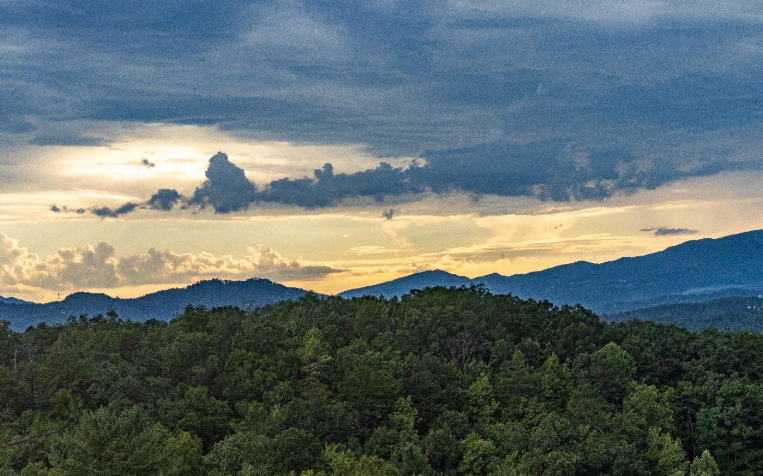
Most people book a mountain trip hoping it will feel different from everyday life, and then accidentally recreate the same patterns once they arrive. Mornings still feel rushed. Phones stay close. Plans get packed too tightly. By the second day, the scenery is beautiful, but the experience feels oddly familiar.
That’s why destinations built around adventure tend to stand out, and why places like Pigeon Forge keep drawing people back. There’s a mix there that works: outdoor energy, family-friendly attractions, and just enough structure to make trying something new feel easy. It’s a place where adventure doesn’t require expertise or months of planning, only a willingness to step slightly outside routine.
Why Mountain Trips Sometimes Fall Flat
Mountain trips don’t always land the way people expect. When days revolve around meals, lodging, and short outings, everything starts to blur. You rest, but little stands out. What’s usually missing is a break in the rhythm. Something physical. Something slightly unexpected. One experience that pulls everyone fully into the moment. It doesn’t have to be extreme. Just distinct enough to give the trip shape and make the place feel like more than a backdrop.
Include Adventurous Experiences
Adventure in the mountains doesn’t have to be complicated to be effective. Sometimes it’s enough to introduce speed, height, or motion into a landscape that’s usually experienced slowly. The shift wakes people up, mentally and physically.
Alpine coasters do this well. They use the natural slope and scenery instead of fighting it. You’re still surrounded by trees and views, but your body experiences the space differently. The environment feels closer. The ground feels faster. For many travelers, this is the first time the mountains stop being a backdrop and start becoming part of the action.
If you want to experience the thrill of the alpine coaster Pigeon Forge is the best place to do it. The Rowdy Bear’s Avalanche Snow Coaster offers you the chance to take in the beautiful views of Pigeon Forge and the Smokies. The adrenaline rush that you’ll experience during the ride will make the entire experience one that you’ll remember for a very long time.
Adventure Changes Group Dynamics
One of the quiet benefits of adventure activities is how they shift group energy. Families, couples, and friend groups often fall into familiar roles while traveling. One person plans. One person follows. Someone complains. Someone keeps the peace.
Shared adventure levels those roles, at least for a while. Everyone reacts at the same time. Laughter lines up. Nervous energy turns into stories retold later at dinner. These moments stick because they pull people out of their usual patterns.
Even a low-risk activity has this effect. It creates a sense of “we did that,” which matters more than how intense the experience actually was.
Why Physical Experiences Stick Longer
Photos fade. Schedules blur. Physical experiences stay lodged in the body longer. You remember the feeling of speed, the drop in your stomach, the way your hands tightened without thinking.
This is why adventure anchors memory so well. It bypasses overthinking. You’re not analyzing. You’re reacting. That reaction becomes the marker you return to later when you think about the trip.
Mountain environments amplify this effect because they already engage the senses. Add motion, and the experience becomes layered instead of passive.
Balancing Downtime with Momentum
A common mistake is trying to turn the whole trip into an adventure marathon. That backfires fast. Fatigue sets in. Tempers shorten. Everything starts feeling like effort.
The sweet spot is contrast. One or two high-energy moments paired with long stretches of rest. The adventure gives shape to the downtime. The downtime gives space to process the adventure.
This balance keeps the trip from feeling either dull or exhausting. It also makes it easier for different energy levels to coexist without friction.
Adventure Without Expertise
Not everyone wants to train, gear up, or risk injury on vacation. The good news is that modern mountain attractions have moved away from that barrier.
Experiences designed for a wide range of comfort levels let people choose how far they want to go. Control becomes part of the appeal. You’re not forced into intensity. You opt into it. That sense of choice makes adventure accessible without making it trivial. It also encourages people who normally wouldn’t seek out thrill-based activities to try something new.
How Adventure Changes the Pace of the Trip
Before an activity, days often feel loosely planned. After it, everything slows down in a good way. Meals last longer. Conversations loop back to what happened earlier. People replay details, exaggerate slightly, and laugh again.
This change in pace isn’t accidental. The body needs time to come down from heightened awareness. That comedown creates space for connection and reflection. In this way, adventure doesn’t speed the trip up. It deepens it.
Making the Trip Feel Specific
One of the biggest challenges with travel today is sameness. Different places start to feel alike when experiences overlap too much. Adventure tied to geography breaks that pattern. It uses terrain in a way that can’t be copied elsewhere easily. The memory becomes linked to that place, not just the idea of mountains in general. That specificity is what turns a getaway into something you talk about months later without checking photos first.
Letting the Environment Lead
The best adventure experiences don’t dominate the landscape. They work with it. They follow slopes, curves, and views instead of cutting across them.
When this happens, the environment stays central. The ride or activity enhances awareness instead of replacing it. You notice more, not less. This respect for place is what separates memorable adventure from novelty.
The Aftereffect Matters
A good mountain adventure doesn’t end when the activity stops. It lingers. It shifts how you move through the rest of the trip. You’re more present. Less likely to rush. More willing to sit and do nothing for a while. That aftereffect is often the most valuable part. It’s also what people mean when they say a trip felt different, even if they can’t explain why.
Not every moment of a mountain getaway needs to be memorable. Trying to force that usually does the opposite. One well-chosen adventure is enough. It gives the trip a spine. Everything else hangs off it naturally. When that happens, the getaway stops being just time away from home and becomes a story you carry with you, uneven edges and all, long after you’ve unpacked.