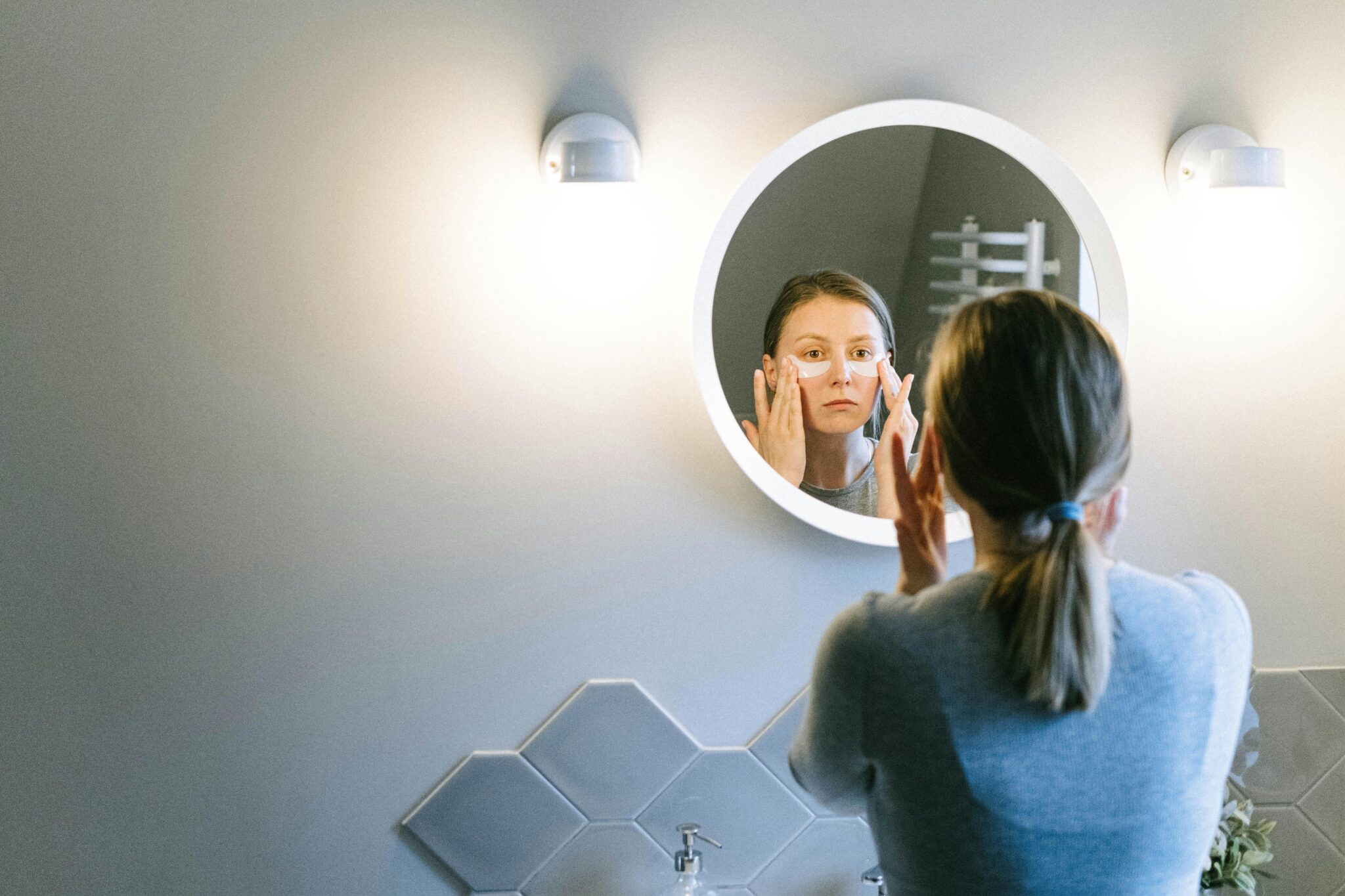
What does it really mean to feel “well”? For a long time, health was measured by numbers—heart rate, weight, cholesterol levels. These are still important. But lately, a new kind of wellness is getting attention. It has less to do with physical symptoms and more to do with how we see ourselves. Self-perception, long brushed off as emotional fluff, is now a real player in how people measure their health.
This shift makes sense. People are living more of their lives on camera, on screens, and in virtual rooms where faces matter as much as words. At the same time, more people are paying attention to how stress, aging, and daily routines affect their energy and appearance. This doesn’t mean everyone is chasing an ideal. Instead, they’re chasing alignment. They want their outward presence to match how they feel inside.
In this blog, we will share why self-perception has become part of the wellness conversation, how it influences daily habits, and why it deserves a place in your personal definition of health.
Wellness with Reflection in Mind
Feeling off in your reflection doesn’t always mean vanity. It can be a sign that something internal is out of sync. More professionals are recognizing that self-perception affects motivation, emotional health, and social confidence.
That’s why spaces like the MODERN Plastic Surgery & Medspa are drawing attention from people interested in long-term wellness, not quick fixes. While the name might suggest a focus on aesthetics, many people visit for reasons that go beyond the surface. Clients are looking for education, clarity, and guidance about how to feel more like themselves—often through skin health, post-stress recovery, or small changes that boost confidence without altering identity.
The experience is less about transformation and more about restoration. It fits into a broader pattern where health decisions are driven by emotional balance just as much as physical goals.
The Influence of Daily Self-Image
Self-perception isn’t just a weekend concern. It shapes everyday behavior. When people feel good about how they present themselves, they’re more likely to stick to routines. They get better sleep, manage stress more effectively, and tend to fuel their bodies with more care.
It goes both ways. If someone feels exhausted, disconnected, or low in confidence, they might stop doing the things that once made them feel strong. That creates a loop—one that’s hard to break without first addressing the internal disconnect.
Why Screens Made Self-Perception a Daily Health Factor
Years ago, you’d see your face maybe twice a day—morning mirror and bathroom break. Now it’s in video calls, selfies, social media, and live feeds. This visibility changed how people relate to their appearance.
It’s not about narcissism. It’s about awareness. We see more of ourselves than ever before, which means we notice changes sooner. Whether it’s dark circles, dull skin, or expressions that don’t match how we feel, those moments prompt reflection.
Increased visibility isn’t going away. So the wellness response has shifted. Instead of telling people to “just accept it,” professionals are offering tools to support that awareness without shame. That might mean skincare routines that nourish, not punish. It might mean posture work or breathwork that helps someone feel physically taller and emotionally stronger. The goal is care, not correction.
Building Health with Confidence in Mind
Think about the last time you felt completely aligned—where your mood, energy, and appearance all seemed to match. That feeling is not just pleasant. It’s productive. People in that state are more decisive, more open, and more resilient to stress.
This is why self-perception matters. It fuels the emotional stamina needed to follow through on other health goals. When someone sees progress in one area, they often begin to invest in others. Sleep, nutrition, hydration, and mindfulness all feel more worth it.
Tools, Routines, and the Right Support
How can someone start treating self-perception as part of their health? Not with big leaps, but with small tools. It could be:
- A five-minute skincare routine in the morning that acts as a reset.
- Journaling about how you feel in your body each week.
- Spending less time with mirrors that judge and more with ones that reflect progress.
- Getting expert advice on concerns that feel persistent rather than guessing your way through them.
Support matters. Choosing environments that see the full picture of who you are—not just how you look—is key. That’s where modern wellness centers, coaches, and programs stand out. They treat people as layered, evolving, and unique.
The bottom line? As confidence and self-image gain more attention, they’re becoming a real part of the wellness conversation—not replacing basics like sleep or movement, but supporting them. When self-perception feels steady, health flows more naturally, grounded in reconnecting with who you are. That’s a priority worth making.