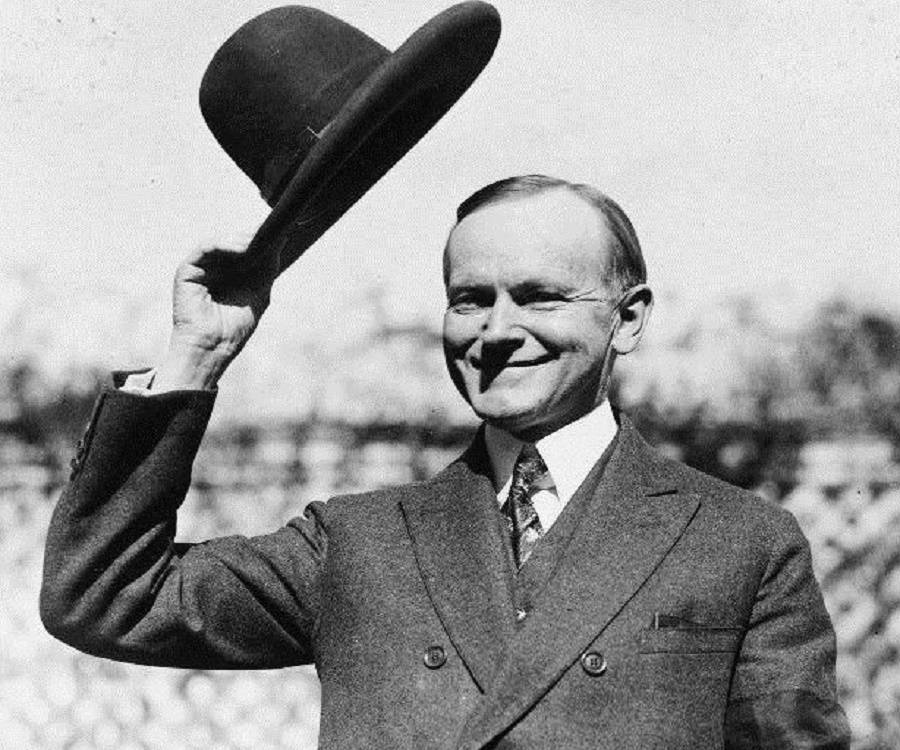
photo of President Calvin Coolidge
the staff of the Ridgewood blog
Ridgewood NJ, Two of the most significant trade policies in U.S. history—the Tariff Act of 1922 (Fordney-McCumber Tariff) and the Tariff Act of 1930 (Smoot–Hawley Tariff)—produced very different economic outcomes. One is linked to postwar prosperity, the other to global economic collapse. What made the difference?
The Fordney-McCumber Tariff Act of 1922: Protectionism in a Booming Economy
The Tariff Act of 1922, also known as the Fordney-McCumber Tariff, was passed to protect American industries from foreign competition following World War I. It significantly raised tariffs on imported goods, especially agricultural products and manufactured items.
Why It Led to Prosperity:
-
Post-War Demand: The U.S. economy in the early 1920s was rebounding from World War I. Domestic demand for goods and services was rising.
-
Industrial Growth: Higher tariffs shielded emerging American industries, allowing them to expand without foreign pressure.
-
Job Creation: With industries booming, employment grew, particularly in manufacturing and agriculture.
-
Stable Global Trade: At the time, other nations were still recovering from the war and did not retaliate aggressively to the U.S. tariffs, allowing global trade to function relatively smoothly.
Overall, the Fordney-McCumber Tariff helped fuel the “Roaring Twenties”, a period of rapid industrial expansion, rising incomes, and consumer confidence in the United States.
The Smoot–Hawley Tariff Act of 1930: A Policy Misstep During Crisis
Just eight years later, the U.S. Congress passed the Smoot–Hawley Tariff Act, which raised tariffs even further on over 20,000 imported goods. Unlike its predecessor, this act took effect during the onset of the Great Depression.
Why It Triggered Depression and Trade Wars:
-
Global Economic Instability: By 1930, economies worldwide were already weakening. The stock market crash of 1929 had devastated investor confidence and global trade.
-
Retaliatory Tariffs: In response to Smoot-Hawley, major trading partners—like Canada, France, and Britain—retaliated with tariffs of their own, drastically shrinking international trade.
-
Export Collapse: U.S. exports fell by more than 60% from 1929 to 1933. American farmers and manufacturers, who relied on international markets, suffered severe losses.
-
Worsening the Depression: The trade war intensified the economic downturn, leading to higher unemployment, business failures, and a prolonged global depression.
Instead of protecting American jobs, Smoot-Hawley isolated the U.S. economy and contributed to a deeper and more painful economic collapse.
Key Takeaway: Timing and Global Conditions Matter
Both tariffs were designed to protect U.S. industries, but their outcomes were drastically different because of when and how they were implemented.
| Tariff Act | Year | Economic Context | Result |
|---|---|---|---|
| Fordney-McCumber | 1922 | Post-WWI Recovery, Global Growth | Industrial Expansion & Prosperity |
| Smoot–Hawley | 1930 | Great Depression, Global Contraction | Trade Wars & Deeper Recession |
Protectionist policies can have short-term benefits, but when introduced during economic instability, they can backfire—as seen with Smoot-Hawley.
Conclusion: Lessons for Today’s Trade Policy
The contrasting results of the Fordney-McCumber and Smoot-Hawley tariffs offer a critical lesson in economic history: protectionism is highly sensitive to global economic conditions. While tariffs may boost local industry in times of growth, they can deepen crises during downturns.
Take the Wall Street Walking Tour https://www.facebook.com/unofficialwallstreet
#WallStreetTours,#FinancialDistrictExploration, #ExploreWallStreet, #FinancialHistoryTour, #StockMarketExperience, #FinancialDistrictDiscovery, #NYCFinanceTour,#WallStreetAdventure