
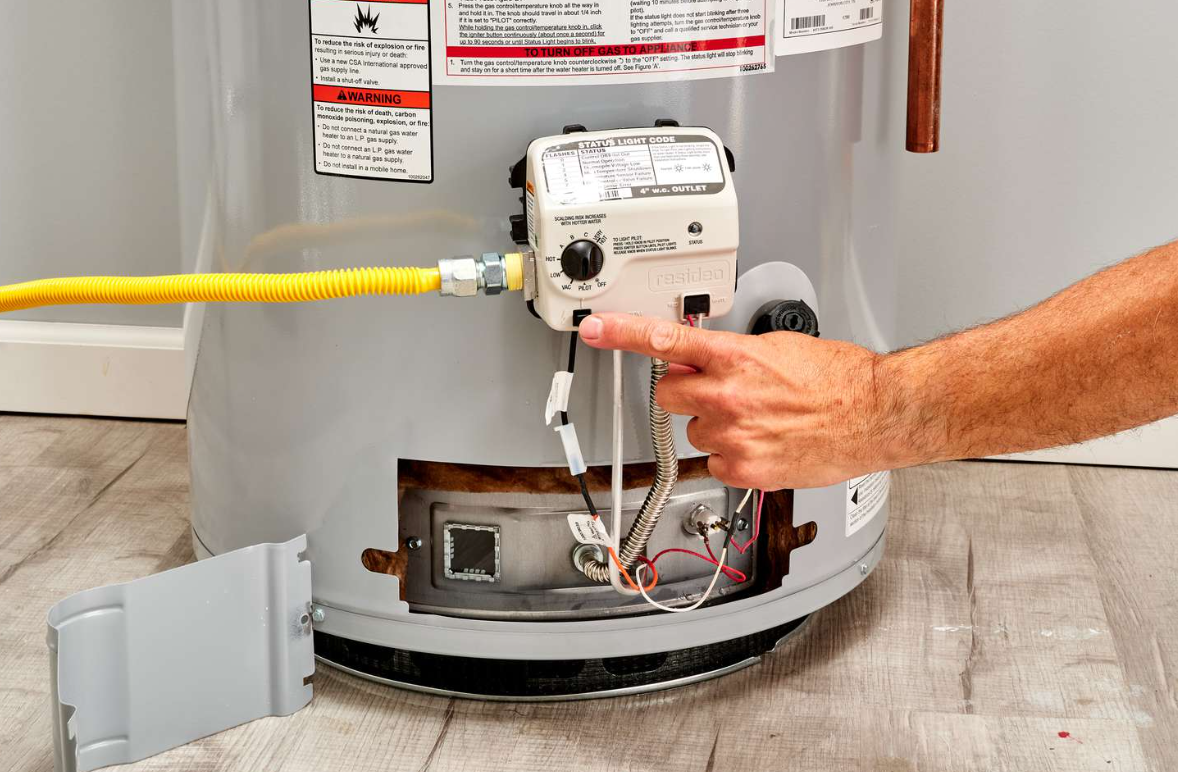
The average deferred home repair now costs more than $5,600 to complete. That number stings more when you consider it started as something smaller, something you told yourself you’d get to next month. Next month has a way of becoming next year.
Most homeowners aren’t lazy. They’re overwhelmed, and the list of things competing for their attention and money is genuinely long. But there’s a pattern to which repairs get kicked down the road, and understanding that pattern is the fastest way to stop bleeding money on problems that compound over time. Here’s what those repairs are, why they keep slipping through the cracks, and a practical way to decide what actually needs attention first.
Your House Has a Running Tab
Deferred maintenance doesn’t disappear — it just adds interest. A $150 plumbing leak that goes unaddressed can cause thousands in water damage to flooring and drywall. A roof with a few missing shingles, left alone through one wet season, can escalate from a $400 patch job to a full replacement conversation.
The math isn’t complicated, but it’s easy to ignore when you can’t see the damage yet. That’s exactly what makes deferred repairs such a reliable budget wrecker. The damage accumulates in spaces you don’t look at every day — inside walls, under slabs, behind HVAC panels, at the base of your water heater.
And here’s the thing about emergencies: they don’t schedule themselves around convenient times. A furnace that’s been making that noise for six months picks the coldest weekend of the year to give out entirely.
The 5 Repairs That Tend to Slide
Some repairs get delayed because they feel abstract. Others get delayed because the symptom is annoying but not alarming. These five show up on deferred lists again and again:
| Repair Type | Common Warning Sign | What Happens If You Wait
|
|---|---|---|
| Water heater maintenance | Inconsistent hot water, rumbling sounds | Sediment buildup shortens lifespan; full replacement costs 3–5x more than repair |
| Roof flashing and shingles | Granule loss in gutters, small interior stains | Attic moisture damage, mold, structural rot |
| HVAC filter and coil cleaning | Rising energy bills, uneven temperatures | Compressor failure; full system replacement |
| Slow drains and pipe buildup | Draining slowly in multiple fixtures | Sewer line blockage or backflow into the home |
| Foundation cracks and grading | Cracks widening, doors sticking | Water intrusion, settlement, structural compromise |
Water heater maintenance sits at the top of that list for a reason. According to the U.S. Department of Energy’s ENERGY STAR program, switching to a certified demand water heater can save a family of four around $1,800 over the unit’s lifetime compared to a standard storage model — but only if the unit is well-maintained and replaced at the right time, not after it fails catastrophically.
Where DIY Wins and Where It Bites You
A lot of deferred repairs start as attempted DIY fixes. You watch a YouTube video, feel confident, and then discover the actual problem is three layers deeper than it looked. That’s not a failure of skill — it’s a failure of scope assessment, and it happens to experienced homeowners constantly.
Painting a bedroom wall is a great DIY project. Repatching a shower grout line? Also fine. Diagnosing why your HVAC system is short-cycling or why one side of your house runs significantly hotter than the other? That’s a different category entirely.
Hippo’s 2024 DIY Projects and Costly Mistakes report found that 58% of homeowners spent more than they anticipated on DIY projects because of errors and misjudgments. More than a third of those who caused property damage during a DIY attempt paid $500 or more to fix what they broke — on top of whatever the original repair cost.
The honest framing is this: DIY saves real money on cosmetic and simple mechanical tasks. It costs real money on anything involving pressurized systems, gas lines, electrical panels, or structural components. Knowing which bucket your problem sits in before you start is the whole game.
The Water Heater Problem Nobody Talks About
Water heaters are invisible until they’re not. They sit in a closet or garage corner, do their job quietly for a decade, and then fail at the worst possible moment. Because there’s no dramatic symptom early on, most homeowners don’t think about them until there’s water on the floor or the shower runs cold mid-rinse.
A standard tank water heater lasts eight to twelve years. Most people don’t know how old theirs is. If you bought a home and didn’t specifically ask about the water heater’s install date, there’s a real chance it’s already in its final years of service.
The warning signs are specific: a rumbling or popping noise during heating cycles (sediment buildup), visible rust around the base or on the pressure relief valve, water that smells metallic, and recovery time that’s noticeably longer than it used to be. Any one of these is reason to call a professional rather than wait and see. Homeowners in Southern California dealing with any of these symptoms should look into water heater repair in glendora before a repairable problem crosses into replacement territory.
The hard part isn’t the repair itself. It’s accepting that “it still works” is not the same as “it’s working correctly.”
A Practical Framework for Deciding What Gets Fixed First
Here’s a triage approach that actually works, what I’d call the Repair Urgency Grid. Before anything else, ask two questions about each outstanding repair: Is this getting worse over time on its own? And does failure create secondary damage beyond the original problem?
If the answer to both is yes, that repair belongs at the top of your list — no matter how inconvenient the timing. This covers things like active leaks, failing HVAC systems in extreme weather, gas line irregularities, and aging water heaters past their service window.
If only one answer is yes, it’s a medium-priority item. Schedule it within 30 to 60 days. If neither answer is yes, it’s a cosmetic or convenience repair — it can wait, but put a date on the calendar so it doesn’t become a two-year delay.
“Older homes almost always carry higher maintenance costs because the mechanical systems are older, often outdated and need TLC.” — John Gabrielli, owner of Air Temp Solutions, as cited by ConsumerAffairs
That quote holds up regardless of where you live. The U.S. Census Bureau reported in 2023 that the median age of owner-occupied housing in the United States has risen to 41 years. Most of those homes have mechanical systems that are well into their second decade. That’s not a reason to panic — it is a reason to treat deferred maintenance as a financial priority rather than an optional line item.
A short annual checklist goes a long way:
- Check water heater age and anode rod condition (annually)
- Replace HVAC filters and schedule professional coil cleaning (every 6 months)
- Inspect roof flashing and gutters after storm season
- Run water in rarely used drains to prevent buildup and trap evaporation
- Walk the foundation perimeter each spring and note any new cracks
None of these take more than an afternoon. All of them are cheaper than ignoring the item for another year.
Stop Waiting for an Emergency to Make the Decision
The homeowners who spend the least on repairs over time aren’t the ones who have perfect houses. They’re the ones who catch problems while they’re still cheap. That’s a mindset shift more than a budget shift — treating your home’s systems with the same attention you’d give a car that needs oil changes.
Go look at your water heater this week. Check the install date on the label near the top of the unit. If it’s approaching ten years old and you’ve never had it serviced, that’s your starting point. Every other item on your deferred list deserves the same honest look. What are you actually waiting for?





