
From Goats to Grassfires? Ridgewood Debates Radical New Ways to Save Twinney Pond
the staff of the Ridhewood blog
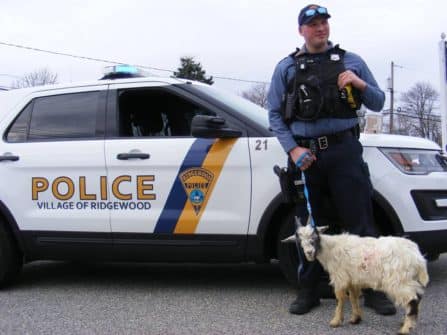
Ridhgewood NJ, In the quiet enclave of Ridgewood, NJ, a debate is blooming over how to handle the invasive species taking over Twinney Pond. While Councilperson Winograd recently made headlines by suggesting the Village hire a “goat brigade”—a method famously used by the New York City Department of Parks—residents are now looking across the Hudson and asking: What comes next?
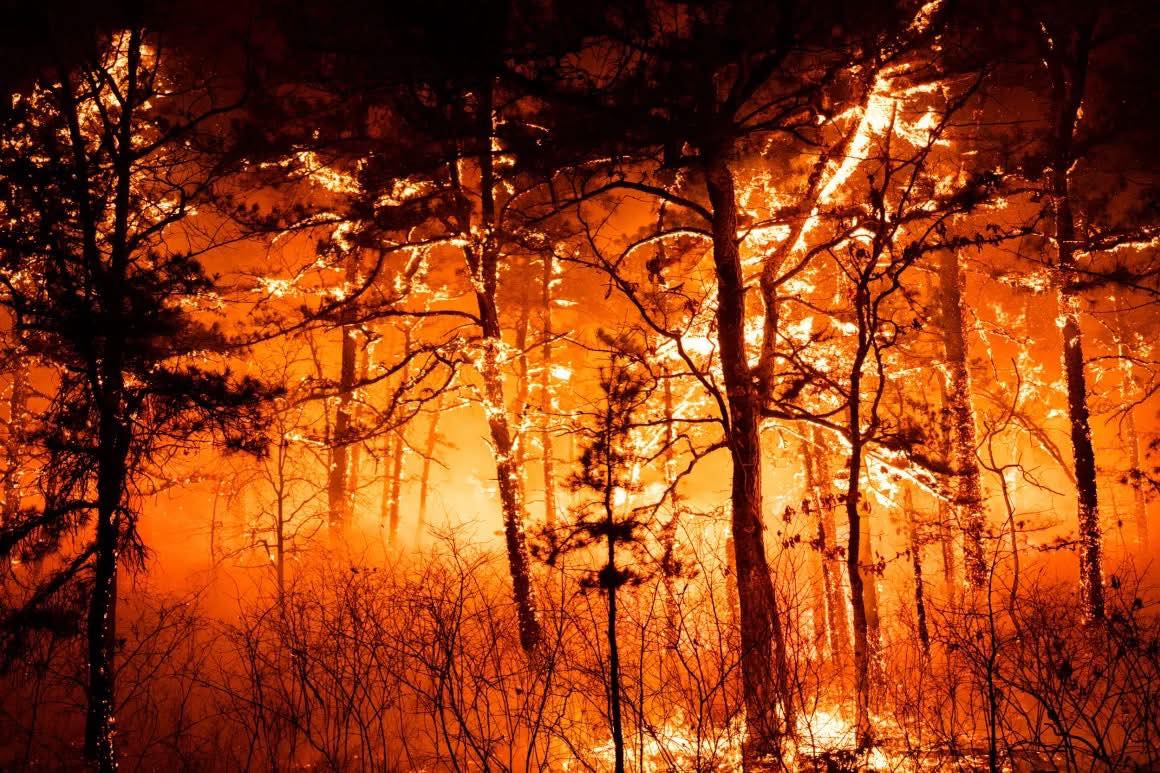
With NYC Parks now pivoting toward controlled burns (prescribed fires) to manage their massive green spaces, many are wondering if Ridgewood is ready for a more “fiery” approach to conservation.
The NYC Blueprint: Why Fire is the New Tool
Historically, urban centers like New York City have focused on fire suppression—putting fires out immediately. however, the record-breaking dry spells and devastating brush fires of 2024 and 2025 (including the Jennings Creek Wildfire) have forced a strategy shift toward active prevention.
If Ridgewood follows the NYC model, here is what the experts are weighing:
The Advantages: Why Burn?
-
Invasive Species “Reset”: Fire weakens persistent invaders like Phragmites and Mugwort, allowing native plants to reclaim the pond’s edge.
-
Wildfire Prevention: By safely burning “fuel” (dead leaves and underbrush) in a controlled way, you prevent a catastrophic, out-of-control fire during a drought.
-
Boosted Biodiversity: Native Oaks and Hickories thrive after a fire clears the forest floor, letting sunlight reach dormant seeds.
-
Cost-Efficiency: Managing a small, planned fire is significantly cheaper than the millions spent on emergency responses for unplanned blazes.
The Disadvantages: The Risks of the Flame
-
Air Quality Issues: In a dense suburb like Ridgewood, smoke can be a major health concern for residents with asthma or respiratory issues.
-
The “Escape” Factor: Even under expert watch, a sudden wind shift can push a controlled fire toward homes or power lines.
-
Public Alarm: Sightings of smoke at Twinney Pond would likely trigger a surge of 911 calls and local anxiety.
-
Liability: The legal and insurance hurdles for a municipality to intentionally set fire to public land are immense.
The 2026 Context: A Drier Reality
As of March 2026, the conversation has changed. With the statewide residential burn ban approaching (March 16 – May 14), communities are looking for windows of opportunity to protect their natural habitats.
Whether Ridgewood sticks to goats—the low-risk, crowd-pleasing option—or eventually considers the prescribed burns being tested in NYC, one thing is clear: the management of our local ecosystems is becoming more complex as the climate shifts.
Is Twinney Pond ready for a “controlled burn,” or should we stick to the goats?
file photo by Boyd Loving
Tags
#RidgewoodNJ #TwinneyPond #EnvironmentalNews #NYCParks #ControlledBurn #GoatGrazing #NJConservation #PublicSafety #InvasiveSpecies






Winograd with a blowtorch? God help us!
Well, how much would it cost to hire a professional contractor to dredge it, and land clearing company to clean outside up? It’s been a disgrace for a long time. It’s been a mosquito pit for the past 30 years. And it could be really nice.
Fill it in.
With the soil from Schedler
I don’t think a group fill it in, it’s natural, you may be able to pipe some of it, but that’s about it. It always will be a swamp unless you’re really stretch it and do it right, it’s been a mess for an extremely a long time.
I know what I would say about the fire option if I lived there.