
Understanding the Purpose Behind Outdoor Planning
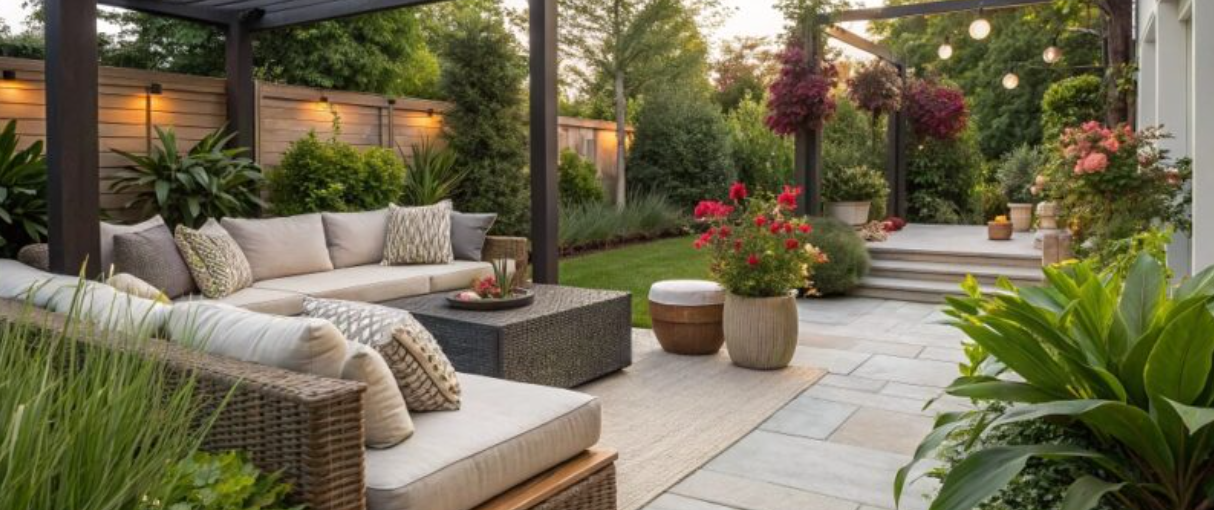
A yard can be much more than open space surrounding a home. When thoughtfully planned, it becomes an extension of everyday living. Outdoor environments can support relaxation, entertainment, and quiet reflection while also improving the overall visual appeal of a property. However, achieving this balance requires more than planting a few shrubs or installing a walkway.
Careful planning helps homeowners understand how each area of the property can serve a purpose. Instead of scattered elements competing for attention, the landscape begins to feel organized and intentional. Functional pathways, plant groupings, and gathering spaces all contribute to a cohesive outdoor environment.
Professionals like Refuge Design & Landscape often begin projects by evaluating how homeowners want to use their outdoor space. With clear goals in mind, landscaping design becomes a structured process that transforms ordinary yards into practical and inviting living areas.
Defining Functional Outdoor Zones
Creating Spaces for Everyday Activities
A well-planned yard divides the outdoor environment into zones designed for specific uses. Some areas may focus on dining or entertaining guests, while others provide quiet corners for relaxation. Children’s play areas or garden sections may also become part of the layout.
Organizing space in this way improves both usability and visual flow. Instead of feeling cluttered or random, the yard becomes a series of connected environments that guide movement naturally.
Strategic landscaping design ensures that each zone works together to create a comfortable and balanced outdoor experience.
Improving Flow Between Spaces
Movement through a yard should feel intuitive rather than awkward. Walkways, stepping stones, and subtle elevation changes help guide people from one area to another.
These transitions create structure without interrupting the natural beauty of the landscape. Smooth pathways also protect lawns and planting beds by encouraging people to follow designated routes.
A thoughtful layout makes the entire property easier to navigate and enjoy.
Balancing Beauty with Practicality
Selecting Plants with Purpose
Plants play a major role in shaping the visual character of a landscape. However, choosing the right plants involves more than appearance alone. Factors such as sunlight exposure, soil quality, and climate conditions all influence plant health.
Grouping plants with similar needs helps maintain a thriving landscape while reducing maintenance demands. This practical approach ensures that beauty and sustainability work together rather than competing.
Experienced teams from Refuge Design & Landscape often evaluate these environmental factors before recommending plant selections.
Preventing Overcrowded Landscapes
Planting too many elements in a small space can overwhelm the overall design. Crowded landscapes restrict plant growth and create long-term maintenance challenges.
Spacing plants properly allows them to mature naturally without competing for nutrients or sunlight. This strategy also preserves the visual balance of the yard as plants grow over time.
Planning for growth is an essential part of effective landscaping design.
Creating Year-Round Visual Interest
Planning for Seasonal Changes
A landscape should remain visually appealing throughout the entire year. Seasonal plant selection helps ensure that the yard never appears dull or empty.
Spring blooms can transition into summer greenery, followed by vibrant autumn foliage. Even winter landscapes can offer interest through textured plants or evergreen elements.
By layering seasonal plants strategically, landscaping design maintains consistent beauty regardless of the time of year.
Incorporating Hardscape Features
Hardscape elements provide structure that remains constant as plants change with the seasons. Patios, stone pathways, retaining walls, and seating areas create stable focal points within the landscape.
These features enhance usability while adding contrast to softer plant textures. Hardscapes also help define activity zones and improve accessibility across the property.
The combination of natural and structural elements results in a landscape that feels both balanced and durable.
Enhancing Outdoor Comfort and Livability
Providing Shade and Shelter
Outdoor spaces become far more enjoyable when they offer protection from direct sunlight. Trees, pergolas, and covered seating areas provide shade during warm months and create inviting spaces for relaxation.
Proper placement of shade structures ensures that sunlight still reaches garden beds where plants need it most. This careful balance improves comfort without limiting plant health.
Shade planning is often an early step in the landscaping design process.
Creating Privacy Without Isolation
Many homeowners value privacy in their outdoor environments. Strategic placement of hedges, fences, or layered plantings can provide a sense of enclosure without making the yard feel closed off.
These natural barriers soften boundaries while still allowing airflow and light. Privacy features also reduce visual distractions from nearby properties or streets.
Well-designed privacy solutions contribute to a calm and peaceful outdoor atmosphere.
Supporting Environmental Sustainability
Managing Water Efficiently
Water management is a critical part of sustainable landscaping. Poor drainage can lead to soil erosion, plant damage, and even structural issues near foundations.
Grading adjustments and proper irrigation systems help control water distribution throughout the property. Efficient watering practices conserve resources while keeping plants healthy.
Sustainable landscaping design considers how water moves through the environment and uses that knowledge to protect both plants and structures.
Encouraging Local Biodiversity
Landscapes can support local ecosystems when designed thoughtfully. Native plants attract beneficial insects, birds, and pollinators that contribute to a healthy environment.
Diverse plant selections also improve resilience against pests and diseases. Balanced ecosystems require fewer chemical treatments and remain healthier over time.
Refuge Design & Landscape often recommends plant species that naturally thrive in the surrounding climate.
Increasing Property Value Through Outdoor Design
A thoughtfully designed landscape can significantly enhance property value. Buyers often judge a home by its exterior appearance before exploring the interior.
Clean lines, balanced plant arrangements, and welcoming outdoor spaces create a strong first impression. Attractive landscapes also photograph well for property listings, increasing interest among potential buyers.
Beyond visual appeal, functional outdoor living areas effectively expand the usable space of a home. Patios, seating areas, and garden pathways provide additional room for daily activities and gatherings.
Investing in landscaping design in Twin Cities improves both immediate enjoyment and long-term market appeal.
Planning for Long-Term Growth and Durability
Landscapes evolve over time as plants grow and environmental conditions change. Designing with the future in mind helps prevent overcrowding, structural damage, or maintenance difficulties.
Choosing durable materials for pathways and outdoor structures reduces repair needs over time. Allowing adequate space for plant growth ensures that the design remains balanced as the landscape matures.
Professionals at Refuge Design & Landscape often incorporate long-term planning strategies that help homeowners maintain their outdoor spaces with minimal disruption.
Conclusion
A thoughtfully designed landscape transforms outdoor areas into functional and visually appealing living environments. By organizing activity zones, selecting appropriate plants, and incorporating structural elements, homeowners can create outdoor spaces that support relaxation, entertainment, and everyday enjoyment.
Strategic landscaping design also improves sustainability, protects property value, and ensures long-term durability as plants and materials mature. Careful planning allows each element of the landscape to serve a purpose while contributing to the overall beauty of the property.
With professional guidance from Refuge Design & Landscape, homeowners can transform ordinary yards into cohesive outdoor spaces that remain inviting, practical, and environmentally responsible for years to come.





