
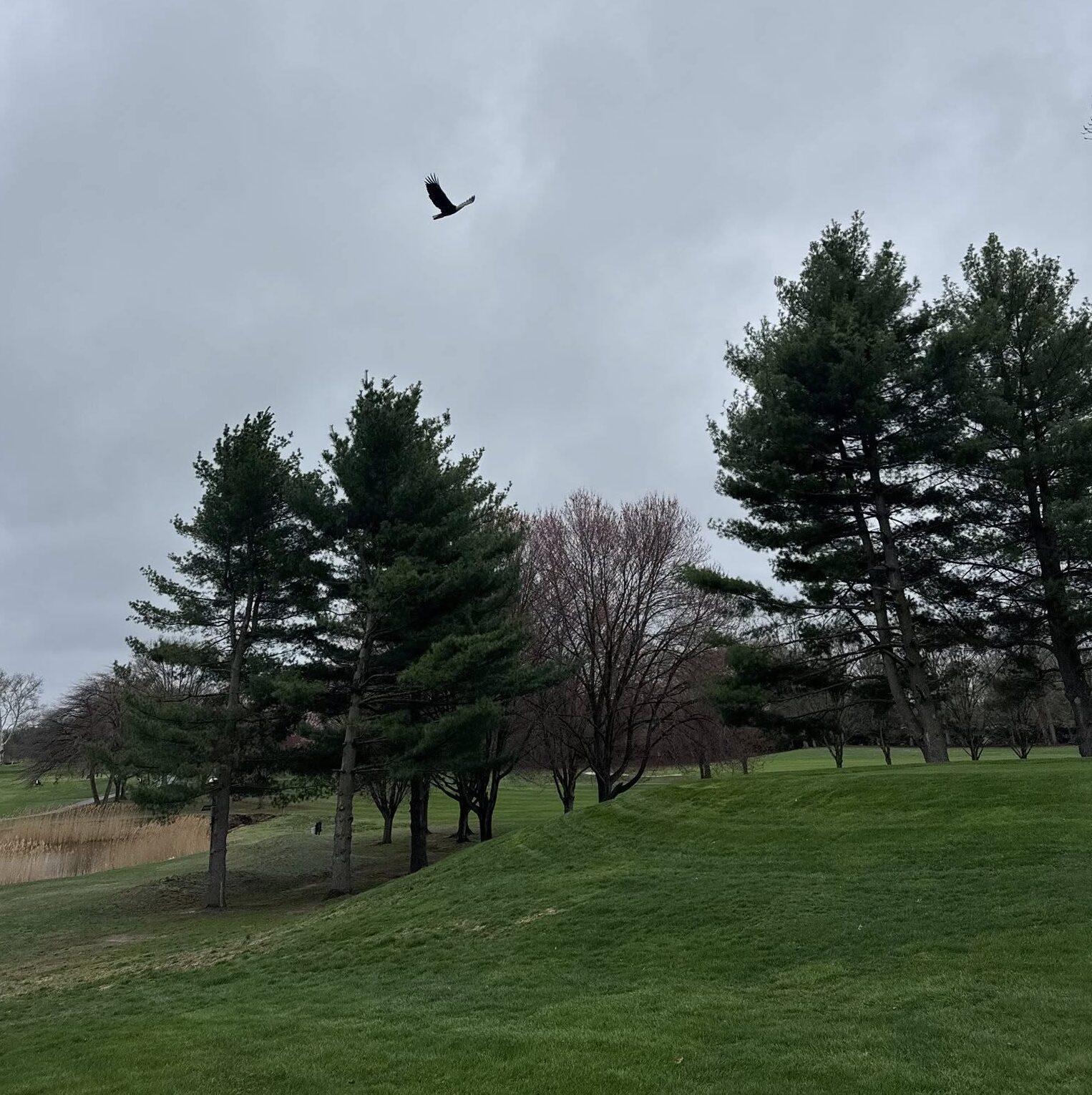
Paramus Mayor Spots a Bald Eagle
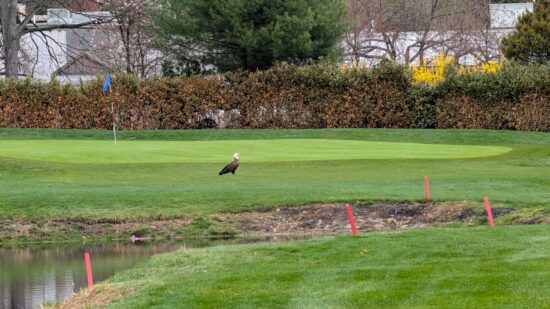
photo courtesy of Paramus Mayor Chris DiPiazza
the staff of the Ridgewood blog
Paramus NJ, If you’ve been looking up lately in Paramus, you might have caught a glimpse of something truly legendary. From the reservoirs to the local parks, sightings of the American Bald Eagle have been surging—including a series of stunning photos captured by Mayor Chris DiPiazza on April 2nd.
But while these sightings feel like a victory for North Jersey, a new state report suggests that our national bird is facing a silent, invisible threat.
The Good News: No Longer “Endangered”
First, let’s celebrate a milestone: As of January 2025, the bald eagle was officially removed from New Jersey’s endangered species list. After 40 years of grueling conservation work—starting from just a single nesting pair in the 1980s—the species has recovered so well that it is now classified as a “Species of Special Concern.”
“This success is proof that we can deliver against seemingly insurmountable odds,” says Acting DEP Commissioner Ed Potosnak.
The Warning Sign: A 5% Dip in Active Nests
Despite the recovery, the 2025 New Jersey Bald Eagle Project Report released this week carries a note of caution. For the first time in years, the number of active nests (those where eggs were laid) dropped:
-
2024: A record-breaking 264 active nests.
-
2025: 251 active nests (a 5% decrease).
The Culprit? A “highly pathogenic” strain of Avian Influenza (HPAI), commonly known as the bird flu.
The “Boiling Point” for Birds of Prey
Why is the bird flu hitting eagles so hard? It comes down to their diet. During the winter of 2024–25, large numbers of waterfowl—like Canada geese and snow geese—congregated on our local lakes and rivers. Unfortunately, these geese are primary carriers of HPAI.
As scavengers and predators, bald eagles consume infected birds, leading to a direct transfer of the virus. The data is sobering:
-
50% of eagle deaths tested last year were confirmed cases of HPAI.
-
Other threats include vehicle strikes, electrocution on power lines, and habitat loss.
Eagle Watching in Paramus: What to Look For
The recent sightings by Mayor DiPiazza and residents remind us why we fight for these birds. In Paramus, eagles are often seen near water sources, hunting for fish or scouting for nesting sites.
How You Can Help:
-
Keep Your Distance: Use binoculars or long lenses. Disturbance during nesting season can cause pairs to abandon their eggs.
-
Report Sick Birds: If you see an eagle that appears lethargic or unable to fly, contact the NJDEP at 1-877-WARN-DEP.
-
Drive Carefully: Vehicle impacts remain a top cause of mortality for eagles feeding on roadside carrion.
The Bottom Line
The bald eagle’s journey in New Jersey is one of the greatest conservation comeback stories in history. While the 5% dip in nests is a reminder that nature is fragile, the presence of these “Majestic Residents” in Paramus proves that with the help of volunteers and smart policy, we can protect them for generations to come.
Tags: Paramus NJ Bald Eagles NJ Wildlife Bird Flu Conservation News Bergen County Nature Photography





