
Clean water is something we tend to take for granted—until it’s gone. Whether it’s a backyard pond turning green with algae, a lake giving off a foul smell, or a municipal treatment plant working to make water safe to drink, water quality affects more than we realize. And one of the most effective tools for keeping water healthy? Aeration.
What Are Aeration Systems?
Aeration systems are devices designed to increase the contact between water and air. The goal is simple: get more oxygen into the water while pushing unwanted gases out. Some systems float on the surface, others sit at the bottom, and some are built into large industrial setups.
The science is straightforward, but the results can be dramatic. By circulating water and boosting oxygen levels, aeration helps fish thrive, keeps algae in check, and makes water more pleasant for swimming, drinking, and recreation.
The Science Behind Aeration: How It Works
Aeration improves water in three main ways. Let’s walk through each one.
Increasing Dissolved Oxygen
Oxygen is the lifeblood of any aquatic ecosystem. Fish, beneficial bacteria, and plants all rely on dissolved oxygen (DO) to survive. When oxygen levels drop too low, you start to see fish kills, foul odors, and murky water.
Aeration systems pump oxygen back in. There are two common methods here:
- Surface aeration, where water is splashed or sprayed into the air to absorb oxygen.
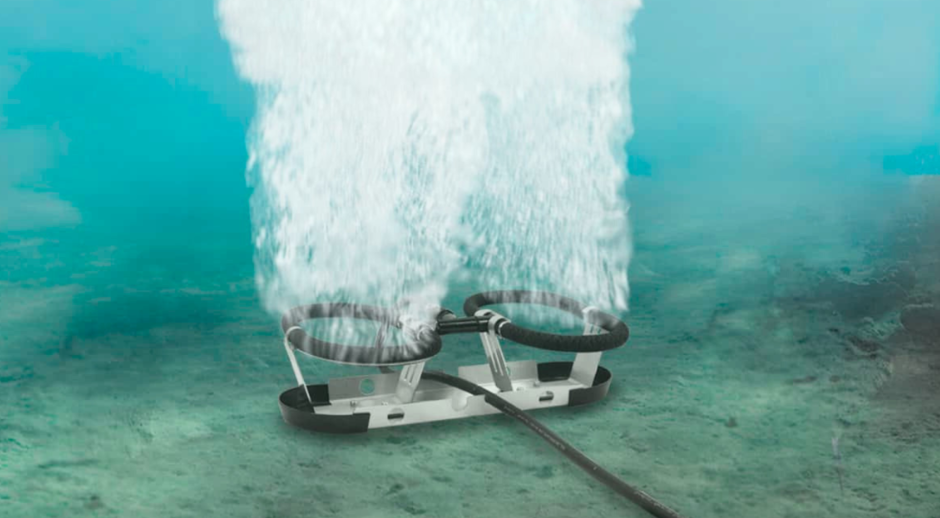
- Diffused aeration, where air is pushed through diffusers near the bottom, releasing bubbles that carry oxygen as they rise.
Both work, but the right choice depends on how deep your water is and what you’re trying to fix.
Removing Harmful Gases
Water naturally builds up gases like carbon dioxide, hydrogen sulfide, and methane—especially in stagnant conditions. Hydrogen sulfide is the culprit behind that rotten-egg smell, while excess carbon dioxide can throw off the water’s pH balance.
Aeration helps these gases escape into the atmosphere. The result is water that tastes better, smells fresher, and supports healthier aquatic life. Anyone who has fixed a smelly pond with a quality aeration system knows the difference is night and day.
Preventing Stratification
Here’s something most people don’t think about: water forms layers. In warmer months, the top layer heats up while the bottom stays cold. This is called thermal stratification, and it traps oxygen at the surface while the lower depths become oxygen-starved and stagnant.
Aeration breaks up these layers by keeping water in constant motion. This circulation spreads oxygen evenly from top to bottom, preventing dead zones and keeping the entire body of water healthy.
Types of Aeration Systems and Their Applications
Not all aeration systems are created equal. The best fit depends on the size, depth, and purpose of your water body.
Surface Aerators
Think fountains and circulators. These sit on top of the water and are great for shallow ponds where you want both visual appeal and localized mixing. They’re popular for decorative ponds, golf courses, and small lakes. The downside? They don’t reach very deep.
Diffused Aeration Systems
Also called bubblers, these systems release air from the bottom up. As bubbles rise, they pull oxygen through the entire water column. Diffused aeration is ideal for deeper ponds and lakes where you need widespread oxygenation. Many of these setups rely on oil-less air compressors to keep the air supply clean and free of contaminants.
Sub-surface Aeration
This approach focuses on circulating water from below without the splashy display of a fountain. It’s a favorite for serious lake and pond management, where the priority is water health over aesthetics.
Aeration in Wastewater Treatment
On the industrial side, aeration plays a huge role in treating sewage and wastewater. Municipal plants use it to feed oxygen to bacteria that break down waste. Without aeration, these treatment processes simply wouldn’t work. It’s one of the unsung heroes of clean water infrastructure.
Benefits of Improved Water Quality Through Aeration
So what do you actually get out of a well-aerated body of water? Quite a lot, as it turns out.
For Aquatic Ecosystems
Higher oxygen levels mean healthier fish and a more balanced ecosystem. Aeration also keeps algae in check by disrupting the stagnant, nutrient-rich conditions where algae blooms thrive. Fewer blooms means clearer water and fewer headaches.
For Human Use
Cleaner water isn’t just good for fish. Aeration improves the quality of drinking water by reducing dissolved gases and unpleasant tastes. For recreational spots—swimming holes, fishing ponds, lakefront properties—aerated water is simply more enjoyable to be around.
Environmental Impact
Aeration reduces nutrient pollution by helping break down organic matter before it builds up. It also cuts down on the foul odors that come from stagnant water. The end result is a cleaner, more pleasant environment for everyone nearby.
Choosing the Right Aeration System
Picking the right system isn’t a one-size-fits-all decision. A few things to weigh:
- Size and depth of your water body. Shallow ponds do fine with surface aerators, while deep lakes need diffused systems to reach the bottom.
- The specific problem you’re solving. Fighting algae? Clearing up a smell? Supporting a fish population? Different goals call for different setups.
- Budget and maintenance. Some systems cost more upfront but save money over time through efficiency and durability.
When in doubt, talk to a professional. A quick consultation can save you from buying the wrong system and wasting money. Experts can assess your water body, recommend the best option, and handle installation so you get it right the first time. If you’re not sure where to start, reach out to a water management specialist before making a purchase.
Conclusion
Aeration might seem like a small thing, but its impact on water quality is enormous. By boosting oxygen, removing harmful gases, and keeping water circulating, these systems support healthier ecosystems, cleaner drinking water, and more enjoyable recreational spaces.





