
Walk into a busy shop or office and the obvious risks rarely stand out first. People usually trip, slip or collide because of ordinary things like a curling mat, a cable near a desk, a wet entrance or a display that narrows a doorway.
Safer premises are shaped by small choices repeated every day. Customers, staff, parents with pushchairs, delivery drivers and older visitors all move differently, so a space has to work for people who are walking, turning, queueing, carrying bags or trying to find the exit.
Check The Floor People Actually Use
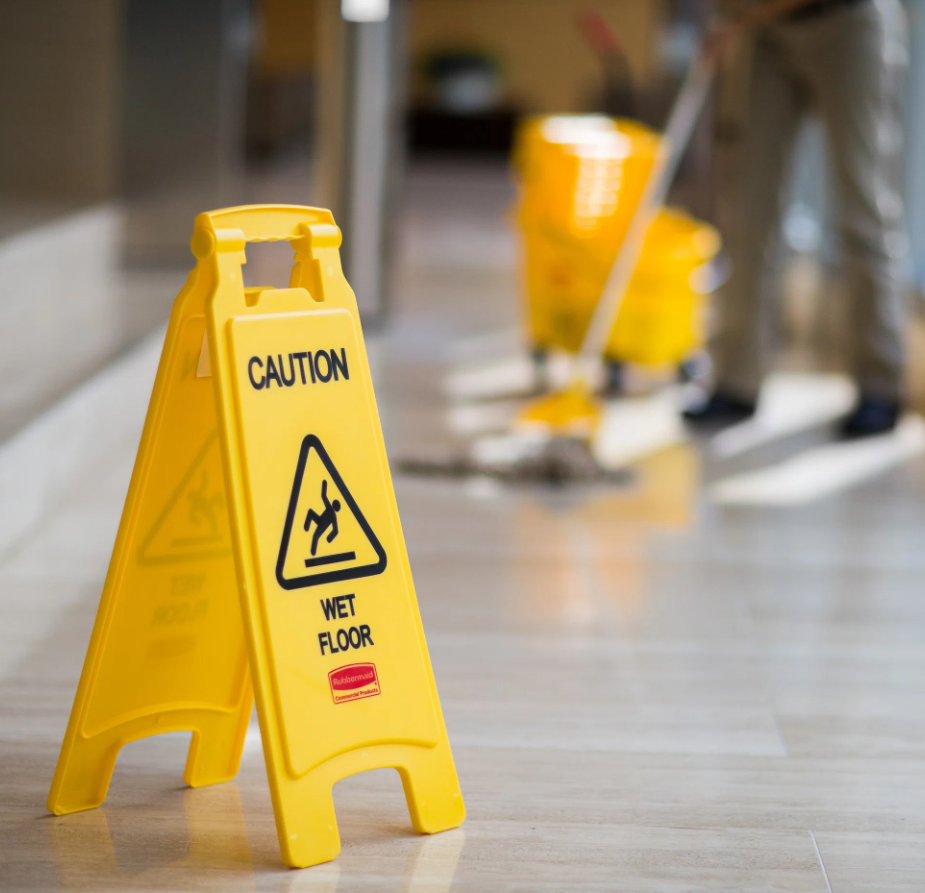
Rain, cleaning, stock movement and daily wear can change a floor faster than managers expect. The issue isn’t just whether a wet-floor sign exists. It’s whether the spill has been dealt with, whether the sign can be seen from the direction people are walking, and whether a temporary repair has been left for weeks.
A quick walk-through should include:
- entrance mats that sit flat and reach far enough inside the door
- spill points near coffee machines, fridges, sinks and plant displays
- loose carpet edges, cracked tiles and uneven thresholds
- cables, chargers and temporary displays in walking routes
- stairs with worn nosings or handrails that feel loose
If someone is hurt and a dispute follows over whether a hazard was ignored, personal injury dispute solicitors often look closely at cleaning logs, photographs, witness details and repair records. That’s why small records matter as much as quick reactions.
Make Routes And Signs Easy To Follow
A visitor should be able to spot the counter, lift, toilets, exits and waiting area without weaving through displays or guessing which door is private. Routes work better when people can understand them without much explanation.
In an office, that can mean keeping filing cabinets away from narrow routes and marking glass partitions at eye level. In a shop, it may mean not crowding a doorway with offers and baskets. Retail and office hazards often begin with objects left in walkways or uneven surfaces, which are easier to miss when someone is carrying bags, checking a receipt or looking for a till.
Signs work best before the problem, not on top of it. “Mind the step” should sit close to the step, and “Staff only” should appear before a visitor reaches a storeroom. If a lift is out of order, mark the alternative route early so families, disabled visitors and delivery drivers have room to turn round.
Keep Maintenance Visible
A flickering light, sticking door, damaged ramp edge or wobbling chair can drift from “we need to sort that” to “it’s always been like that” when everyone walks past it often enough. Reporting has to be easy, and someone needs to check progress.
Maintenance includes lighting as well, because glare at one end of a corridor and shadow at the other can make steps, kerbs and changes in floor level harder to judge. Design choices also count because clear routes and visible entrances affect the way people use public places.
The places that feel safest tend to be the ones where the mat lies flat, the cable gets moved, the light gets replaced and the blocked route gets cleared before someone has to complain.





