
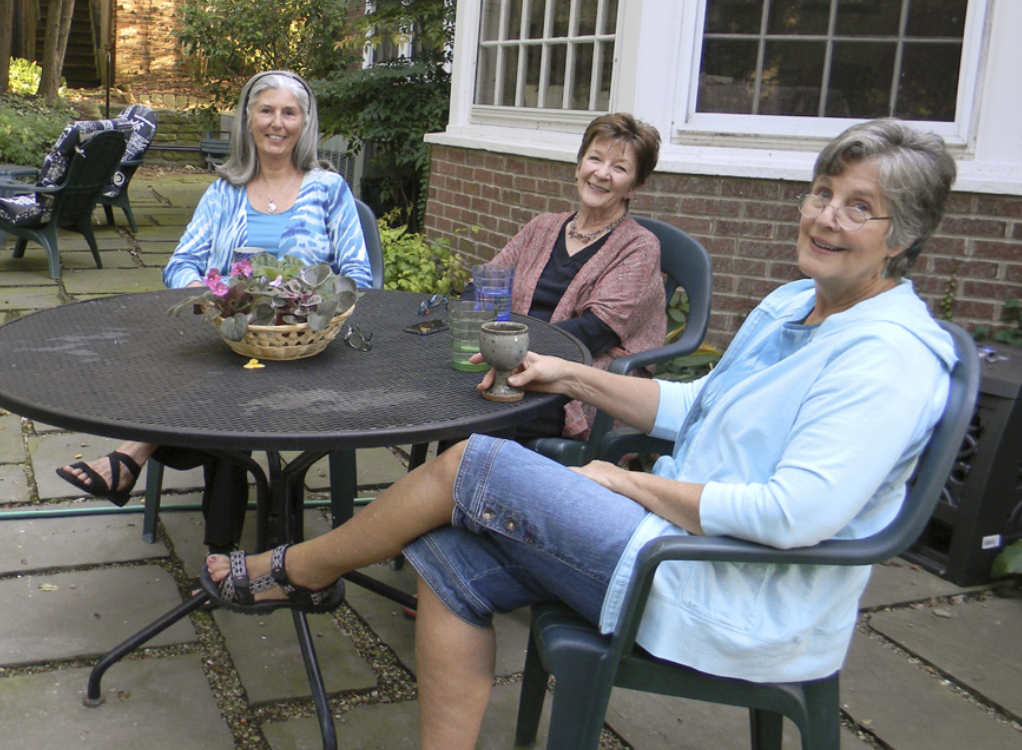
The Rise of Senior Roommates: How Home-Sharing Programs Are Tackling Housing Costs and Loneliness
the staff of the Ridgewood blog
Ridgewood NJ, Roommates were once seen as a rite of passage exclusive to college students and young professionals. Today, cohabiting with unrelated housemates is rapidly gaining traction among a completely different demographic: senior citizens.
Between 2006 and 2016, the number of older Americans living with non-family roommates surged by 88% across the United States. Driven by soaring living costs, housing shortages, and a desire for companionship, seniors are reshaping what aging in place looks like.
How Home-Sharing Platforms Match Housemates
To meet growing demand, nearly 50 to 60 specialized organizations across the U.S. now connect “home providers”—often widowed seniors living alone in spacious homes—with “home sharers” seeking affordable housing.
Described by industry leaders as “online dating for housing,” these platforms go beyond simple listings by providing end-to-end support:
-
Background Checks & Income Verification: Ensuring safety and financial security for both parties.
-
Lifestyle Matching: Filtering compatibility based on habits, pet ownership, mobility needs, and daily schedules.
-
Mediation Support: Offering dispute resolution to ensure long-term harmony in shared living spaces.
More Than Rent: The Mutual Benefits of Co-Living
Not all home-sharing arrangements are strictly financial. Many matches incorporate light assistance or chore-sharing in exchange for reduced rent.
For example, through non-profit initiatives like Sunshine Home Share Colorado, single seniors have found mutually beneficial living arrangements:
-
Affordable Housing: Housemates can significantly cut monthly rent expenses—often paying half of market rates.
-
Shared Responsibilities: Renters frequently assist hosts with gardening, taking out trash, cooking meals, or pet care.
-
Aging in Place: Having another adult in the house allows older homeowners to stay safely in their homes longer.
Addressing the Loneliness Epidemic Across Generations
While affordability remains the primary driver behind the home-sharing trend, the emotional benefits are equally significant. Shared living helps combat social isolation, a growing health concern for aging adults.
Interestingly, this communal model is expanding beyond the elderly:
-
Convent Boarding in NYC: Young adults and students are moving into nun-run convent boarding houses for affordable rent (~$580/month) and strong community ties.
-
Single Parent Support: Platforms like CoAbode match single mothers to share housing duties and childcare, serving hundreds of thousands of users.
-
Pod Living in High-Cost Cities: In cities like San Francisco, shared living startups offer micro-units or pod arrangements that trade space for lower rent and a sense of camaraderie.
The Future of “Golden Girls” Legislation
Recognizing the potential of shared housing, several state legislatures are introducing policy initiatives to expand official “Golden Girls”-style programs. While home sharing alone won’t solve the national housing crisis, it offers a practical, community-driven solution that makes living independently more affordable—and far less lonely.
Tell your story #TheRidgewoodblog , #Indpendentnews, #information, #advertise, #guestpost, #affiliatemarketing,#NorthJersey, #NJ , #News, #localnews, #bergencounty, #sponsoredpost, #SponsoredContent, #contentplacement , #linkplacement, Email: [email protected]
Tags: Senior Living, Housing Market, Shared Living, Aging in Place, Affordable Housing, Community Living, Personal Finance





