
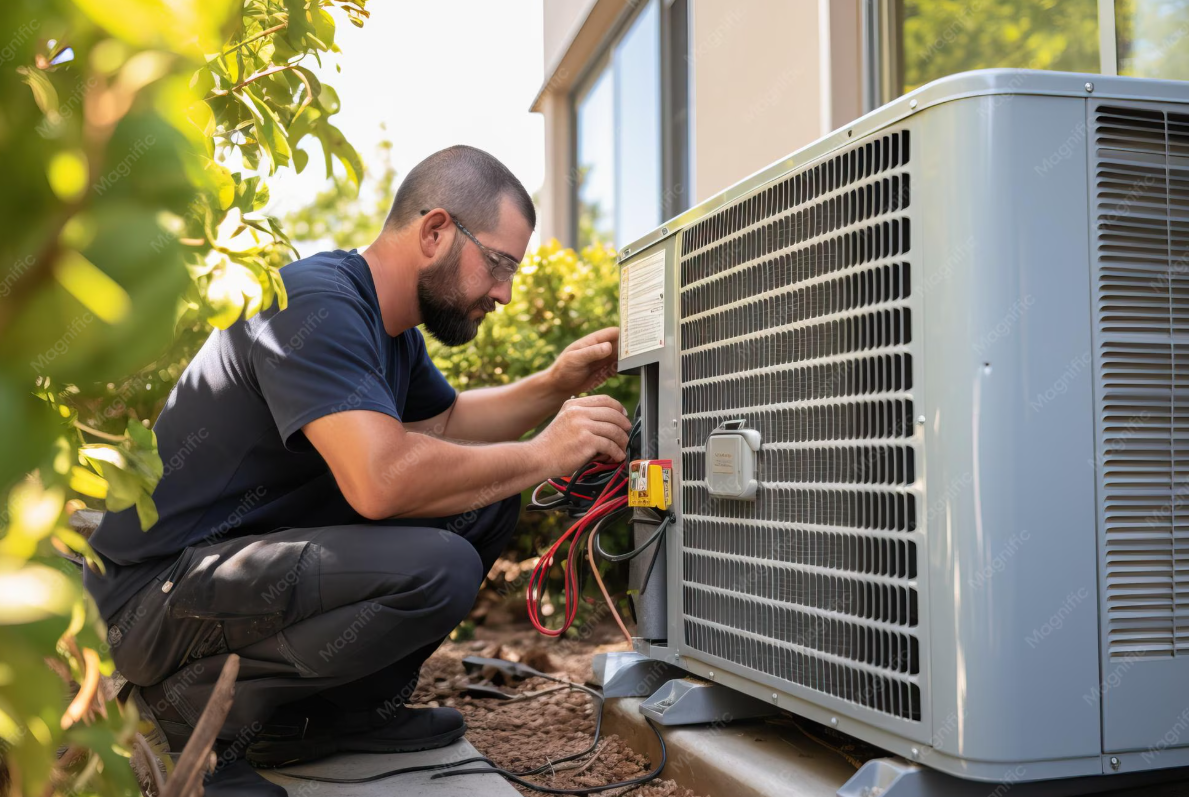
An air conditioner normally operates in cycles, running long enough to remove heat before shutting off when the thermostat reaches its target. Problems begin when the equipment repeatedly starts and stops after unusually brief periods. This behavior, commonly called short cycling, can reduce comfort while placing additional stress on components designed for steadier operation.
Short cycling is not a single mechanical problem with one universal solution. Thermostat conditions, restricted airflow, electrical components, equipment sizing, and other factors can produce similar operating patterns. Air conditioning repair should therefore begin with identifying why the system is ending cycles prematurely rather than assuming the most visible symptom reveals the cause.
Homeowners can often recognize the pattern without inspecting internal equipment themselves. Summit Heat & Air may be considered when frequent cycling continues despite normal thermostat settings and basic filter checks. Understanding the possible causes helps homeowners describe the problem clearly and recognize why professional diagnosis matters before repeated cycling creates additional strain.
Recognize What Short Cycling Looks Like During Normal Operation
Cooling cycles naturally change with outdoor temperature, indoor heat gain, thermostat settings, and household activity. A system may operate longer during extremely warm afternoons and less frequently during mild weather. Short cycling is different because the equipment repeatedly begins operation but shuts down before completing a productive cooling cycle.
Homeowners may notice the system starting again only a short time after stopping. Rooms can remain uncomfortable because the equipment does not operate consistently enough to distribute conditioned air effectively. Frequent starts may also become noticeable simply because the sound of the system turning on occurs far more often than usual.
Observing the pattern can provide useful information for a technician. Note when the behavior occurs, how indoor temperatures feel, and whether changing weather conditions affect it. These details can help distinguish persistent cycling problems from ordinary changes in cooling demand.
Check Whether the Thermostat Is Influencing System Cycles
The thermostat tells cooling equipment when to operate, making its condition and location important. If it receives inaccurate temperature information, the system may start or stop at times that do not reflect conditions throughout the home. A thermostat located near unusual heat sources can experience temperatures different from surrounding rooms.
Direct sunlight, nearby appliances, drafts, and other localized conditions may affect temperature readings. The thermostat itself can also develop problems that interfere with communication between controls and cooling equipment. Diagnosis should determine whether the cycling behavior begins with temperature sensing or somewhere else in the system.
AC repair Tulsa, OK may involve testing controls rather than replacing major cooling components. This is one reason homeowners should avoid assuming that frequent cycling automatically means the air conditioner itself is approaching complete failure.
Investigate Airflow Before Blaming Cooling Capacity
Conditioned air needs a clear route through the system and into occupied rooms. A heavily restricted filter, blocked return, closed supply vents, blower problem, or duct issue can interfere with normal airflow. These restrictions may affect system operation while also producing uneven temperatures around the house.
Start With Simple Airflow Observations
Homeowners can check whether accessible filters appear overdue for replacement and whether furniture or household objects block visible vents. These basic observations do not replace technical diagnosis, but they can eliminate simple problems before service. Internal equipment should remain untouched unless appropriate professional procedures are being followed.
Summit Heat & Air can evaluate airflow beyond the areas homeowners can safely observe. Measuring system conditions helps determine whether restricted circulation contributes to short cycling or whether another component is responsible for the repeated starts and stops.
Consider Electrical and Control Component Problems
Modern cooling systems depend on electrical components to start, operate, monitor conditions, and shut down correctly. A developing control problem may interrupt normal cycles even when the equipment can still produce cool air. This can make short cycling confusing because the system appears functional during the brief periods when it runs.
Electrical problems should not be diagnosed through casual experimentation. Repeatedly resetting equipment without understanding why it stops may hide useful symptoms or expose homeowners to unnecessary risk. Professional testing can determine whether controls and electrical components are operating within expected conditions.
Accurate diagnosis matters because several unrelated faults can create similar behavior. Correcting the specific component responsible is more useful than replacing parts based only on the cycling pattern.
Understand How Equipment Sizing Can Affect Runtime
Cooling equipment needs to match the demands of the home it serves. A system with excessive capacity may lower the temperature near the thermostat quickly and shut down before conditioned air has circulated evenly through distant rooms. The result can be brief cycles combined with inconsistent comfort.
Sizing concerns are particularly worth investigating when frequent cycling has existed since installation rather than appearing suddenly after years of normal operation. Changes to the home can also influence cooling demand. Additions, insulation improvements, window replacements, and significant layout changes may alter how the building gains and retains heat.
Equipment sizing cannot be judged accurately from capacity labels alone. Home dimensions, insulation, windows, orientation, occupancy, and other characteristics influence actual cooling requirements and should be evaluated together.
Watch for Comfort and Humidity Changes Indoors
Short cycles may affect more than the temperature displayed on a thermostat. Air conditioning equipment also removes moisture while operating, and extremely brief cycles can limit the time available for that process. A home may therefore reach the selected temperature while still feeling unusually humid or uncomfortable.
Temperature differences between rooms can provide another clue. If areas farther from the thermostat remain warm while nearby rooms cool quickly, airflow or system sizing may deserve investigation. These patterns should be reported during a service appointment because they add context to the cycling problem.
Summit Heat & Air may evaluate these comfort conditions alongside mechanical operation. Looking at the entire cooling pattern can reveal information that would be missed by concentrating only on whether the outdoor equipment starts successfully.
Avoid Letting Repeated Cycling Continue Indefinitely
Starting a cooling system places different demands on components than steady operation. When starts occur excessively, equipment experiences those demands more frequently than intended. Ignoring the behavior can therefore create unnecessary wear even if the home remains moderately comfortable.
Repeated cycling may also increase energy use because the system continually begins operation without completing efficient cooling periods. Homeowners might notice changes in utility consumption, although energy bills alone cannot identify the cause. Weather and household habits can influence usage as well.
Prompt evaluation helps determine whether a straightforward correction or more involved air conditioning repair is required. The important point is to address the operating pattern rather than waiting until the equipment stops producing cool air entirely.
Use Professional Diagnosis to Identify the Actual Cause
Short cycling demonstrates why symptoms and causes should not be treated as interchangeable. A thermostat issue, airflow restriction, electrical fault, or sizing concern can all produce frequent starts and stops, yet each requires a different response. Guessing can lead to unnecessary work while the original problem remains.
A technician can evaluate operating behavior and relevant system conditions systematically. Homeowner observations about timing, room temperatures, recent changes, and when the problem began can make that process more informative. Maintenance records may provide additional context if the equipment has experienced previous issues.
Frequent cycling deserves attention because normal cooling depends on more than simply turning on and producing cold air. A properly functioning system needs enough operating time to manage temperature and distribute conditioned air effectively. Identifying why those cycles are being interrupted provides the clearest path toward restoring stable operation and consistent household comfort.





