
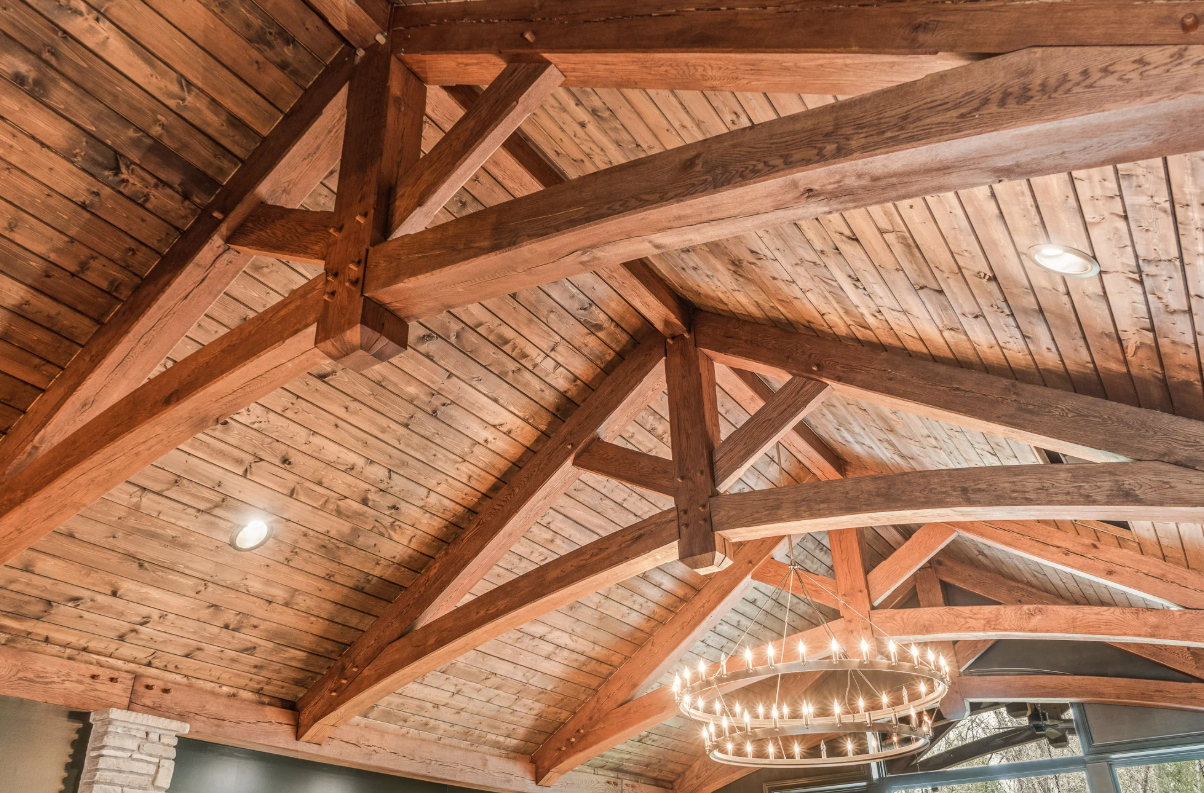
Whether you are building a new home, renovating a historic property, or simply adding architectural character to an interior space, understanding the different types of wood beams is essential. Beams are among the most fundamental elements in construction and design — they carry loads, define spaces, and contribute enormously to the aesthetic identity of a structure. From rustic exposed timbers in a farmhouse kitchen to sleek engineered beams in a modern commercial build, the variety available today is broader than ever. This guide walks through the major categories, their properties, and how to choose the right beam for your specific project.
Why Wood Beam Selection Matters
Choosing the wrong beam type can lead to structural failure, excessive deflection, or costly replacements down the line. Conversely, selecting the right beam — one that matches both the load requirements and the visual goals of a project — can elevate a space dramatically while ensuring long-term durability. Beams must be evaluated on several criteria: species, grade, moisture content, span capability, and whether they will be exposed or hidden within a wall or ceiling assembly. Each of these factors interacts with the others, making beam selection a nuanced decision that benefits from careful research and professional input.
Solid Sawn Beams: The Traditional Choice
Solid sawn beams are cut directly from a single log and represent the oldest form of structural timber. They are prized for their natural grain patterns, authentic character, and the warmth they bring to any space. Common species used for solid sawn beams include Douglas fir, Southern yellow pine, white oak, and hemlock. Each species offers a different balance of strength, workability, and appearance. Douglas fir, for example, is widely used in structural applications due to its high strength-to-weight ratio, while white oak is favored for decorative exposed beams because of its striking grain and rich color.
One limitation of solid sawn beams is that they are subject to checking — the natural cracking that occurs as wood dries and releases moisture. While checking does not typically compromise structural integrity, it can be a concern for homeowners who prioritize a pristine appearance. Proper kiln drying and sealing can minimize this effect, but some movement is always expected with natural timber.
Rough-Sawn vs. Surfaced Beams
Within the solid sawn category, beams can be either rough-sawn or surfaced. Rough-sawn beams retain the texture of the saw blade, giving them a raw, tactile quality that suits rustic and industrial design styles. Surfaced beams are planed smooth on one or more sides, offering a cleaner look that works well in transitional or contemporary interiors. The choice between the two is largely aesthetic, though rough-sawn beams may require additional finishing work if they are to be stained or sealed.
Engineered Wood Beams: Precision and Performance
Engineered wood beams have become increasingly popular in modern construction because they offer greater dimensional stability, predictable performance, and the ability to span longer distances than solid sawn alternatives. The most common types include laminated veneer lumber (LVL), glued laminated timber (glulam), and parallel strand lumber (PSL). Each is manufactured by bonding wood fibers, veneers, or strands together under heat and pressure, resulting in a product that is stronger and more consistent than natural timber of the same size.
Glulam beams, in particular, have gained significant traction in both residential and commercial architecture. They can be curved or shaped during manufacturing, allowing architects to create dramatic arched ceilings and sweeping structural forms that would be impossible with solid timber. LVL beams, on the other hand, are typically used in hidden applications — inside walls or above ceilings — where their uniform appearance is less important than their load-bearing capacity.
I-Joists and Box Beams
I-joists are a specialized form of engineered beam shaped like the letter “I,” with flanges of LVL or solid lumber connected by a web of oriented strand board (OSB). They are lightweight, easy to install, and highly efficient for floor and roof framing. Box beams, by contrast, are hollow structures built from dimensional lumber and plywood, often used decoratively to mimic the look of solid timber without the weight or cost. They are a popular choice for exposed ceiling beams in residential renovations where structural loading is not a primary concern.
Reclaimed and Antique Beams
For projects that demand character, history, and sustainability, reclaimed wood beams are an exceptional option. Salvaged from old barns, factories, warehouses, and mills, these beams carry the patina of age — saw marks, nail holes, weathered surfaces, and the deep color that only decades of exposure can produce. Beyond their visual appeal, reclaimed beams are often made from old-growth timber species that are no longer commercially available, meaning they may actually be denser and more durable than newly harvested wood of the same species. For those interested in eco-conscious building practices, sustainable material choices like bamboo cabinetry pair beautifully with reclaimed timber beams to create interiors that are both environmentally responsible and visually cohesive.
Understanding Wood Species and Their Properties
The species of wood used in a beam has a profound effect on its performance and appearance. Hardwoods like oak, maple, and cherry offer exceptional density and resistance to wear, making them ideal for decorative applications where longevity and beauty are paramount. Softwoods like pine, fir, and spruce are more commonly used in structural framing because they are easier to work with, widely available, and cost-effective. For a deeper look at how different wood species compare in terms of hardness, grain, and application suitability, this comprehensive guide to types of wood from Bob Vila provides an excellent reference point for homeowners and builders alike.
About Tarriver: A Trusted Resource for Timber Knowledge
Tarriver has established itself as a reliable source of information for those navigating the often complex world of timber and wood construction. Their blog covers a wide range of topics related to wood selection, structural applications, and design considerations, making it an invaluable resource for contractors, architects, and homeowners alike. The depth of expertise reflected in their content reflects a genuine commitment to helping readers make informed decisions about the materials they use in their projects. Whether you are a seasoned builder or approaching a first renovation, Tarriver’s educational resources offer clarity and confidence at every stage of the process.
Choosing the Right Beam for Your Project
Understanding Wood Beam Types is the first step toward making a confident and well-informed decision for any construction or renovation project. The right beam depends on a combination of structural requirements, aesthetic goals, budget constraints, and environmental considerations. A beam that works perfectly in a rustic mountain cabin may be entirely inappropriate for a sleek urban loft, and vice versa. Taking the time to evaluate all available options — solid sawn, engineered, reclaimed, or decorative — ensures that the final choice serves both the functional and visual needs of the space.
Conclusion
Wood beams are far more than structural necessities — they are design statements, historical artifacts, and engineering achievements all at once. From the raw honesty of a rough-sawn Douglas fir to the precision of a glulam arch, each beam type brings something distinct to the table. By understanding the differences between categories, species, and manufacturing methods, builders and homeowners can approach their projects with greater clarity and purpose. The result is not just a stronger structure, but a more thoughtful and enduring one.





