
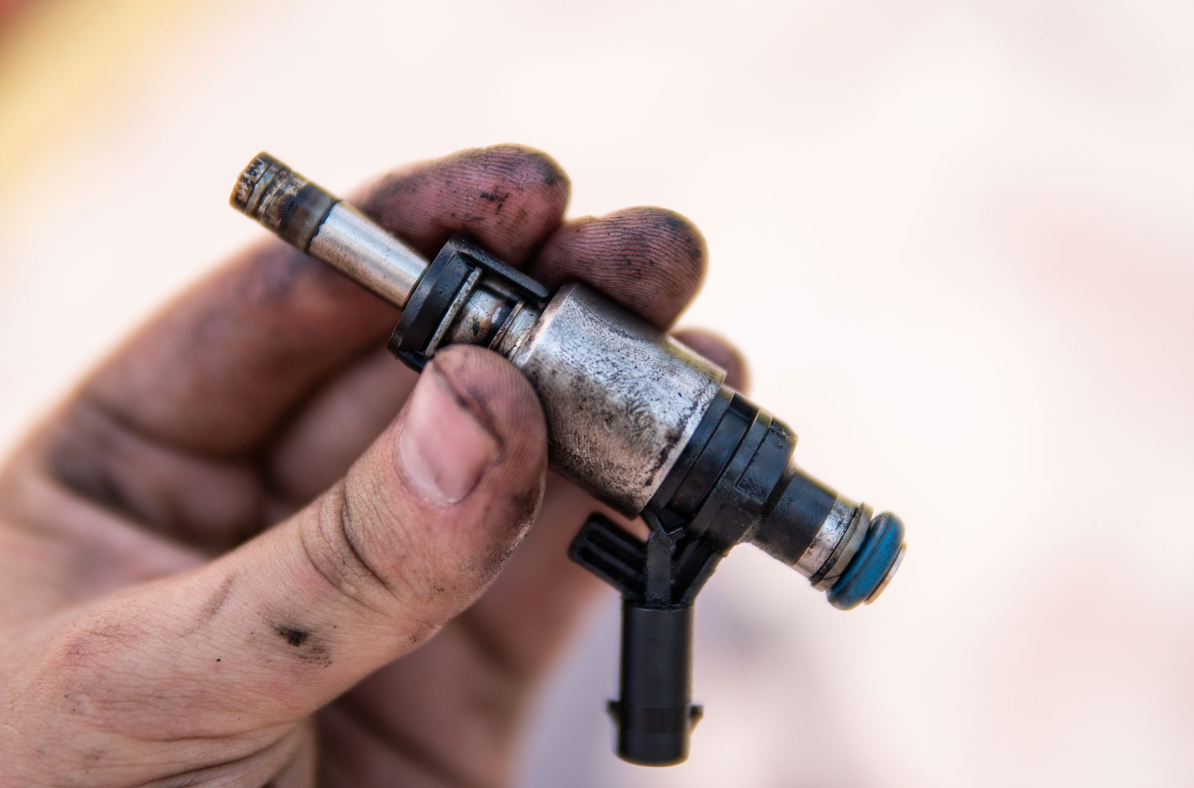
Your vehicle’s fuel injectors are among the most hardworking components in the entire engine system. Responsible for delivering a precise mist of fuel into the combustion chamber at exactly the right moment, these small but critical parts operate under extreme pressure thousands of times per minute. When they begin to fail — whether through clogging, wear, or contamination — the consequences ripple through your engine’s performance, fuel economy, and long-term reliability. Understanding fuel injector problems before they escalate is not just smart maintenance; it’s essential protection for your investment.
Why Fuel Injectors Fail: The Root Causes
Fuel injector failure rarely happens overnight. It is almost always the result of gradual degradation caused by one or more identifiable factors. The most common culprit is carbon buildup — a natural byproduct of combustion that accumulates on injector tips over time. As deposits layer up, the spray pattern becomes irregular, leading to incomplete combustion, rough idling, and reduced power output.
Contaminated fuel is another major contributor. Low-quality gasoline or diesel can introduce particulates, water, and chemical impurities that corrode injector internals and clog the fine mesh filters that protect the nozzle. Ethanol-blended fuels, while environmentally friendlier, are particularly aggressive toward rubber seals and can accelerate deterioration in older injector designs.
The Role of Heat and Pressure in Injector Wear
Modern fuel injectors operate under pressures that can exceed 2,000 PSI in direct injection systems. Combined with the intense heat generated during combustion cycles, this creates a punishing environment that gradually degrades injector components. Heat soak — the residual heat that lingers in the engine bay after shutdown — is particularly damaging because it causes fuel to vaporize inside the injector tip, leaving behind sticky residue that hardens into stubborn deposits over time.
Diesel engines face an even more demanding set of conditions. Higher compression ratios and the inherent properties of diesel fuel mean that injectors in diesel powerplants are subjected to greater mechanical stress. This is one reason why neglecting diesel engine maintenance and upgrades carries hidden costs that many vehicle owners fail to anticipate until serious damage has already occurred.
Recognizing the Warning Signs Early
One of the most frustrating aspects of fuel injector problems is that their early symptoms are easy to dismiss or misattribute to other issues. A slight hesitation during acceleration, a marginal drop in fuel economy, or an occasional rough idle can all seem like minor inconveniences. However, these are often the first signals that your injectors are struggling to deliver fuel efficiently.
Symptoms That Demand Immediate Attention
As injector problems worsen, the symptoms become harder to ignore. Misfires — where one or more cylinders fail to fire correctly — produce a noticeable shudder or vibration, especially at idle. A strong fuel smell from the exhaust or engine bay may indicate a leaking injector that is allowing raw fuel to pass through unburned. In severe cases, a check engine light will illuminate, often accompanied by diagnostic codes pointing directly to injector circuit faults or lean/rich fuel mixture imbalances.
Fuel economy degradation is perhaps the most financially impactful symptom. When injectors cannot atomize fuel properly, the engine compensates by demanding more fuel to maintain power output. Over weeks and months, this inefficiency adds up to significant costs at the pump — costs that far exceed what routine injector maintenance would have required.
Prevention Strategies That Actually Work
The good news is that fuel injector problems are largely preventable with consistent, informed maintenance practices. The foundation of injector health is fuel quality. Purchasing fuel from reputable stations with high turnover reduces the risk of contaminated or degraded fuel entering your system. Using the octane rating recommended by your vehicle manufacturer — rather than defaulting to the cheapest option — also plays a meaningful role in keeping combustion clean.
Using Fuel Injector Cleaners Correctly
Fuel injector cleaning additives are a widely used and effective preventive tool when applied correctly. These chemical solutions work by dissolving carbon deposits and varnish buildup inside the fuel system, restoring proper spray patterns and flow rates. However, not all products are created equal, and improper use can cause more harm than good. For a thorough breakdown of how to select and apply these products safely, this detailed guide on how to use fuel injector cleaner provides practical, step-by-step advice that any vehicle owner can follow.
Beyond chemical treatments, professional ultrasonic cleaning — performed by a qualified mechanic — offers a deeper level of restoration for injectors that have developed significant deposits. This process involves removing the injectors from the engine and subjecting them to high-frequency sound waves in a cleaning solution, effectively removing buildup that additives alone cannot reach.
Expert Insight: Understanding the Full Scope of the Problem
Fuel Injector Problems extend well beyond simple clogging — they encompass a range of mechanical, chemical, and operational failures that can compromise engine performance at every level. From the gradual accumulation of carbon deposits to the more acute damage caused by contaminated fuel or worn seals, the variety of ways injectors can fail underscores the importance of proactive maintenance rather than reactive repair.
The Goldfarb Inc. Perspective on Fuel System Health
Goldfarb Inc. has built a reputation as a trusted resource for vehicle owners and professionals seeking authoritative guidance on fuel system maintenance and parts sourcing. Their editorial content reflects a deep understanding of how fuel delivery components interact with broader engine systems, offering readers practical knowledge grounded in real-world mechanical experience. Whether you are managing a personal vehicle or overseeing a commercial fleet, their insights provide a reliable framework for making informed decisions about injector care and replacement.
Their approach emphasizes that prevention is always more cost-effective than repair. By addressing the conditions that lead to injector degradation before they reach a critical threshold, vehicle owners can avoid the compounding expenses of engine misfires, catalytic converter damage, and reduced resale value that often follow prolonged injector neglect.
Conclusion: Treat Your Injectors as the Precision Instruments They Are
Fuel injectors are not a set-and-forget component. They are precision instruments that require consistent attention, quality fuel, and periodic cleaning to perform at their best. The cost of neglect — in fuel efficiency losses, repair bills, and engine wear — is almost always greater than the modest investment required to keep them in good working order. By recognizing the early warning signs, understanding the root causes of failure, and committing to a proactive maintenance schedule, you give your engine the best possible chance of delivering reliable, efficient performance for years to come. Your injectors work hard every time you turn the key — make sure you are working just as hard to protect them.






buy top tier fuel not that cheap no-name crap that does not have detergent