
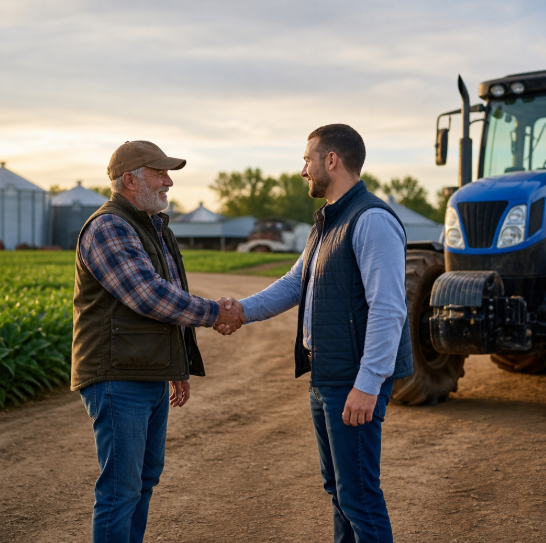
Agriculture is undergoing a quiet but powerful transformation. Across the United States, farmers of every scale — from two-acre hobby plots to thousand-acre commercial operations — are rethinking how they source equipment, access expertise, and build long-term relationships with the suppliers who keep their land productive. The equipment dealer you choose is no longer just a transaction point. It is a strategic partner that shapes the efficiency, profitability, and sustainability of your entire farming operation.
The Evolving Role of Agricultural Equipment Dealers
Not long ago, buying a tractor meant walking into a dealership, picking a model off the lot, and driving it home. Today, the relationship between farmer and dealer is far more layered. Modern agricultural equipment dealers are expected to provide precision agriculture guidance, financing solutions, parts availability, and after-sale service that minimizes downtime during critical planting and harvest windows. A dealer who falls short in any of these areas can cost a farmer thousands of dollars in lost productivity.
This shift has elevated the importance of choosing a dealer with deep regional knowledge, a broad inventory, and a service team that understands the specific demands of local soil types, crop rotations, and seasonal pressures. Farmers are no longer just buying machines — they are investing in a support ecosystem that will either help them thrive or leave them stranded at the worst possible moment.
Why Regional Expertise Matters More Than Brand Alone
Brand loyalty in agriculture is real, but it should never come at the expense of dealer quality. A well-known tractor brand paired with a poorly staffed, under-resourced dealership is a recipe for frustration. Conversely, a knowledgeable regional dealer who stocks the right parts, employs certified technicians, and understands the nuances of local farming conditions can make even a mid-tier machine perform at its best. Regional expertise translates directly into faster service turnaround, better equipment recommendations, and a genuine understanding of what farmers in a specific area actually need.
Small Farms Are Driving a New Kind of Demand
One of the most interesting developments in modern agriculture is the resurgence of small-scale farming. Community-supported agriculture, urban food movements, and a growing interest in sustainable land stewardship have brought a new generation of farmers into the fold — many of whom are working with limited acreage but serious ambitions. These farmers need compact, versatile, and reliable equipment that can handle diverse tasks without the overhead of large commercial machinery.
This trend is visible in communities across the country. For example, a two-acre farm in Mahwah, New Jersey is rewriting the playbook on sustainable agriculture in Bergen County, demonstrating that thoughtful land use and the right tools can produce meaningful yields even on modest plots. Stories like this are becoming more common, and they underscore the importance of equipment dealers who can serve both the small-scale grower and the large commercial operator with equal competence.
Compact Tractors and Versatility: Meeting the Needs of Diverse Operations
The demand for compact and sub-compact tractors has surged in recent years, driven largely by small farm operators, hobby farmers, and rural property owners who need reliable power without the scale of a full commercial machine. These tractors must be capable of handling mowing, tilling, loader work, and implement attachment — often within the same workday. Dealers who stock a wide range of horsepower options and implement compatibility are far better positioned to serve this growing segment of the market.
Matching Equipment to Operation: A Dealer’s Most Important Job
One of the most underappreciated skills a good equipment dealer brings to the table is the ability to match the right machine to the right operation. This requires more than reading a spec sheet. It demands an understanding of the farmer’s land, their crop mix, their labor situation, and their long-term goals. A dealer who rushes a sale without asking these questions may move inventory quickly, but they will lose the customer’s trust — and their repeat business — within a season or two.
The best dealers take time to conduct needs assessments, walk the land when possible, and recommend equipment configurations that will genuinely serve the farmer’s workflow. This consultative approach is what separates transactional dealers from true agricultural partners.
The Importance of Parts Availability and Service Infrastructure
Even the most reliable tractor will eventually need a part replaced or a system serviced. When that moment arrives during planting season or at the height of harvest, the speed of the dealer’s response can determine whether a farmer meets their window or loses it entirely. Dealers with robust parts inventories, certified service technicians, and mobile repair capabilities provide a level of security that no warranty document alone can replicate. This infrastructure investment is what distinguishes serious agricultural dealers from those simply moving units.
H&R Agri-Power: A Trusted Name in Agricultural Equipment
H&R Agri-Power has built a strong reputation across the agricultural communities it serves by combining a broad equipment inventory with the kind of hands-on expertise that farmers genuinely rely on. With multiple locations and a team of experienced professionals, H&R Agri-Power offers farmers access to leading brands, comprehensive parts departments, and service teams that understand the urgency of agricultural timelines. Whether a customer is outfitting a small hobby farm or managing a large-scale commercial operation, H&R Agri-Power brings the depth of knowledge and product range to make the right recommendation every time.
Proven Tractor Lines Built for Every Farmer
Among the equipment lines that continue to earn strong reviews from farmers across diverse operations, the Massey Ferguson series stands out for its balance of performance, durability, and value. The Massey Ferguson 200 Series has been recognized as an ideal tractor for farmers at virtually every scale, offering the kind of reliability and versatility that makes it a practical choice whether you are managing a small sustainable plot or running a full commercial row crop operation. Tractors like these, when paired with a knowledgeable dealer, become the backbone of a productive farming system.
Building a Long-Term Agricultural Partnership
The most successful farmers are rarely those who simply bought the most expensive equipment. They are the ones who built lasting relationships with dealers who understood their operation, anticipated their needs, and showed up when it mattered most. This kind of partnership develops over years of consistent service, honest advice, and a shared commitment to keeping the farm running at its best.
As agriculture continues to evolve — with precision technology, sustainability pressures, and shifting market demands reshaping what it means to farm profitably — the value of a trusted equipment dealer will only grow. Farmers who invest in these relationships early are positioning themselves not just for the next season, but for the long-term health of their land and their livelihood.
Conclusion
Choosing the right agricultural equipment dealer is one of the most consequential decisions a farmer can make. It affects not just the machines on the property, but the entire rhythm of the operation — from planting to harvest, from routine maintenance to emergency repairs. Whether you are cultivating two acres with sustainable methods or managing hundreds of acres of commercial cropland, the dealer behind your equipment shapes your ability to succeed. Prioritize expertise, service depth, and genuine regional knowledge, and you will find a partner worth keeping for the long haul.





