
Your gums do a lot more work than most people give them credit for. They hold your teeth in place, protect the underlying bone, and serve as a front-line barrier against bacterial infection. So when something goes wrong with them, your whole body can feel it. The trouble is, gum disease tends to creep up slowly, and a lot of people don’t catch the early warning signals until real damage has already set in.
According to a study conducted by the Centers for Disease Control and Prevention (CDC), one out of every two Americans aged 30 and up has periodontal disease. That’s a staggering number, and it tells you that ignoring your gum health isn’t really a safe option. About 1 in 2 men and 1 in 3 women 30 years or older have some level of periodontitis.
The good news? Catching these signs early and getting the right care can make a world of difference. Below are eight warning signs your gums are trying to tell you something, and what you can do about each one.
1. Your Gums Bleed When You Brush or Floss
A little pink in the sink might seem like no big deal, but your gums should never bleed just from routine cleaning. Healthy gums should not bleed during brushing or flossing. If you notice that your gums are swollen, tender, or bleed easily, it may indicate the presence of gum disease.
Early-stage gum disease, known as gingivitis, can often be reversed with improved oral hygiene practices. If mouthwash and regular brushing fail to alleviate this condition, it’s crucial to consult a periodontist who can diagnose the underlying cause and recommend appropriate treatment options.
The key here is frequency and intensity. Occasional bleeding after aggressive flossing is one thing. Bleeding that happens every single day, or that appears after eating, is your body sending a clear signal that something deeper is going on. Don’t wait months to bring it up at your next regular cleaning. Address it now.
2. Your Gums Look Red, Puffy, or Feel Tender
Take a look at your gums in the mirror. Healthy gums should be firm and pink. If your gums are red, swollen, or painful, this could indicate infection or inflammation that requires professional attention.
The bacteria that cause gingivitis also cause inflammation. If left untreated, inflamed gums can create deep pockets around your teeth. Deep periodontal pockets increase your risk of tooth loss, so swollen gums should not be ignored.
Redness and puffiness are often the earliest visible signs of gum disease, and they tend to appear before pain kicks in. That makes them easy to dismiss. You’re not in agony, so you assume everything is fine. But consistent swelling, even without significant discomfort, is enough of a reason to get a professional evaluation.
3. You Have Persistent Bad Breath That Won’t Go Away
Everyone has morning breath, and spicy food definitely has consequences. But bad breath that sticks around no matter how many times you brush, floss, and rinse? That’s a different story entirely.
We’ve all had bad breath from time to time, but persistent bad breath (halitosis) could be an indicator of gum disease. If you have chronic bad breath that doesn’t go away with good oral hygiene, you could have a periodontal infection.
Ongoing bad breath that doesn’t improve with brushing may be a sign of gum infection. A periodontist can identify and treat the underlying causes.
Periodontal infections produce bacteria that release sulfur compounds, which create that persistent unpleasant odor. No amount of mouthwash will fix the source, only mask it temporarily. Getting a proper diagnosis is the only real solution.
4. Your Gums Are Pulling Away From Your Teeth
Gum recession is one of those changes that happens so gradually you might not notice until it’s quite advanced. You might look in the mirror one day and realize your teeth look longer than they used to, or you can see more of a tooth near the gumline than before.
When your gums start to pull away from your teeth, it exposes more of the tooth and sometimes even the root. This not only makes your smile look longer, but it can also lead to tooth sensitivity, decay, and eventually, tooth loss.
Gum recession is another sign of periodontal disease. Gum disease is characterized by the gradual destruction of the gum and bone that support your teeth. As this progresses, the gums pull away from the teeth. If left untreated, a receding gum line will expose the roots of your teeth, leaving them vulnerable to infection, tooth sensitivity, and tooth loss.
Exposed roots are painful and vulnerable. Catching recession early gives your care team more options for preserving tissue and protecting your teeth long-term. A skilled periodontist can perform procedures to help restore lost gum tissue or prevent further recession, saving your teeth and protecting your oral health long-term.
5. Your Teeth Feel Loose or Have Started Shifting
Adult teeth should be stable. If you press on one with your tongue or finger and notice any movement at all, that’s a red flag you need to take seriously.
If you notice your teeth moving or feeling loose, it could be a sign that the bone and gums supporting your teeth are deteriorating due to periodontal disease.
If you notice that your teeth feel loose or shift position, seeking immediate attention from a periodontist is essential. Loose teeth can be a sign of advanced periodontal disease, which affects the supporting structures of the teeth, including the bone and gums. This condition can lead to tooth loss if not addressed promptly.
You might also notice that your bite has changed. See a periodontist as soon as possible if you discover that any of your teeth are loose. Teeth that shift or move indicate severe periodontal disease. At this stage, time genuinely matters. The faster you act, the better the odds of keeping your natural teeth.
6. You Notice Pus Around Your Gums or Teeth
This one requires zero guessing. Pus is a sign of active infection, and active infection in your mouth doesn’t stay in your mouth. Research continues to explore links between periodontal disease and systemic health conditions, making oral infections something to address promptly, not later.
Pus is a clear indication of infection. If you see any discharge around your gums, don’t delay in seeing a periodontist.
The infection causing that discharge can spread and deepen over time, creating abscesses and destroying bone. There is no home remedy or over-the-counter product that addresses the root cause of a periodontal abscess. Professional treatment is the only path forward.
7. You Have Increased Tooth Sensitivity, Especially to Temperature
Suddenly wincing when you drink something cold or hot? Sensitivity that seems to be getting worse over time is worth paying attention to, particularly if it’s localized near the gumline.
Advanced gum disease can cause increased tooth sensitivity due to a receding gum line and exposed roots. Once roots are exposed, they’re no longer protected by enamel, which means they respond sharply to temperature changes, sweet foods, and even air.
Another alarming sign that warrants a visit to a periodontist is gum recession. As the gums pull away from the teeth, the roots become exposed, leading to increased sensitivity and a higher risk of decay.
Using a sensitivity toothpaste might dull the sensation temporarily, but it doesn’t address what’s actually happening beneath the surface. A specialist can assess whether the sensitivity is coming from enamel erosion, gum recession, or an underlying periodontal issue.
8. You Have Known Risk Factors and Haven’t Had a Gum Evaluation in Over a Year
Sometimes the warning sign isn’t a dramatic symptom at all. It’s simply the knowledge that you’re at higher risk and you’ve been putting off a proper evaluation.
Certain factors significantly raise your chances of developing gum disease. Risk associations with moderate-severe periodontitis include age 35 years or older, lower income, and current cigarette smoking. Risk associations with severe periodontitis include age 35 years or older, male gender, lower education, lower income, uncontrolled diabetes mellitus, and current cigarette smoking.
If you or a member of your immediate family has previously suffered from gum disease, you should consult a periodontist. Genetics plays a real role in your susceptibility, so family history matters just as much as your personal habits.
If you’re a smoker, have diabetes, are over 35, or have parents who dealt with gum issues, getting a dedicated periodontal evaluation once a year is a smart move, even if your regular dentist says everything looks okay. Regular dental check-ups and professional cleanings are vital for preventing gum disease. Schedule visits with your dentist at least twice a year, or as recommended, for a comprehensive examination and thorough cleaning. During these visits, your dentist can detect early signs of gum disease and refer you to a specialist.
What Happens If You Wait?
Periodontal disease is progressive. The early stage of infection is called gingivitis. If left untreated, it can progress into more advanced periodontitis. And periodontitis doesn’t just stop at your gums. It attacks the bone underneath, and once bone is lost, it doesn’t grow back on its own.
The American Academy of Periodontology provides extensive educational resources about gum disease stages and treatment options at perio.org, and the CDC’s oral health division offers free public guidance at cdc.gov/oral-health. Both are worth bookmarking if you want to stay informed between appointments.
The other thing worth knowing is that early-stage gum disease, gingivitis, is reversible. The mildest form of gum disease is gingivitis, an inflammatory condition where the gums become red, swollen, and may easily bleed. Gingivitis is a reversible condition. That’s genuinely good news. Catching things at the gingivitis stage means a professional cleaning and better home care habits can get you back on track. The longer you wait, the more complicated and costly the treatment becomes.
What to Expect at a Periodontal Appointment
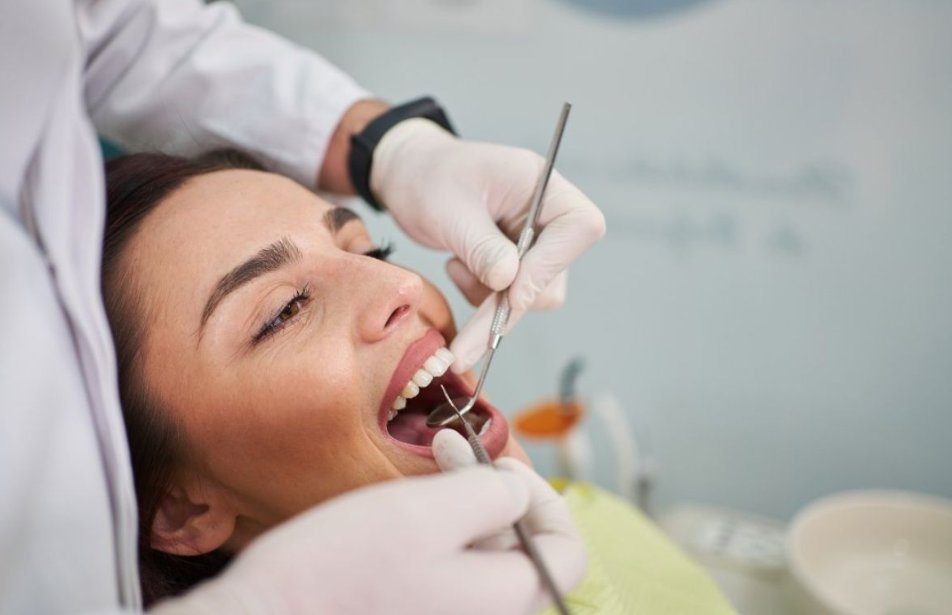
A lot of people put off seeing a specialist because they don’t know what to expect. A periodontal evaluation is thorough but not painful. Your provider will measure the depth of the pockets around each tooth using a small probe, take X-rays to check for bone loss, and review your medical history to understand any risk factors at play.
From there, a periodontist can assess the severity of your condition and provide targeted treatments, such as scaling and root planing, to restore gum health. Treatment can range from a deep cleaning procedure to more advanced surgical options, depending on how much progression has occurred. The earlier you get in, the less invasive the treatment tends to be.
You can also learn more about the full range of periodontal treatment options from the American Dental Association’s gum disease resource page, which covers everything from diagnosis to what different treatment stages look like.
The Bottom Line
Your gums are telling you something with every bleed, every puff, every exposed root, and every loose tooth. The question is whether you’re listening. None of the eight warning signs above should be chalked up to “just getting older” or dismissed because they’re not painful yet. Pain is often the last symptom to arrive, long after significant damage has already taken hold.
If you recognized yourself in even one of these signs, schedule an evaluation with a gum specialist sooner rather than later. Your smile, your bone structure, and your overall health will thank you for it.





