
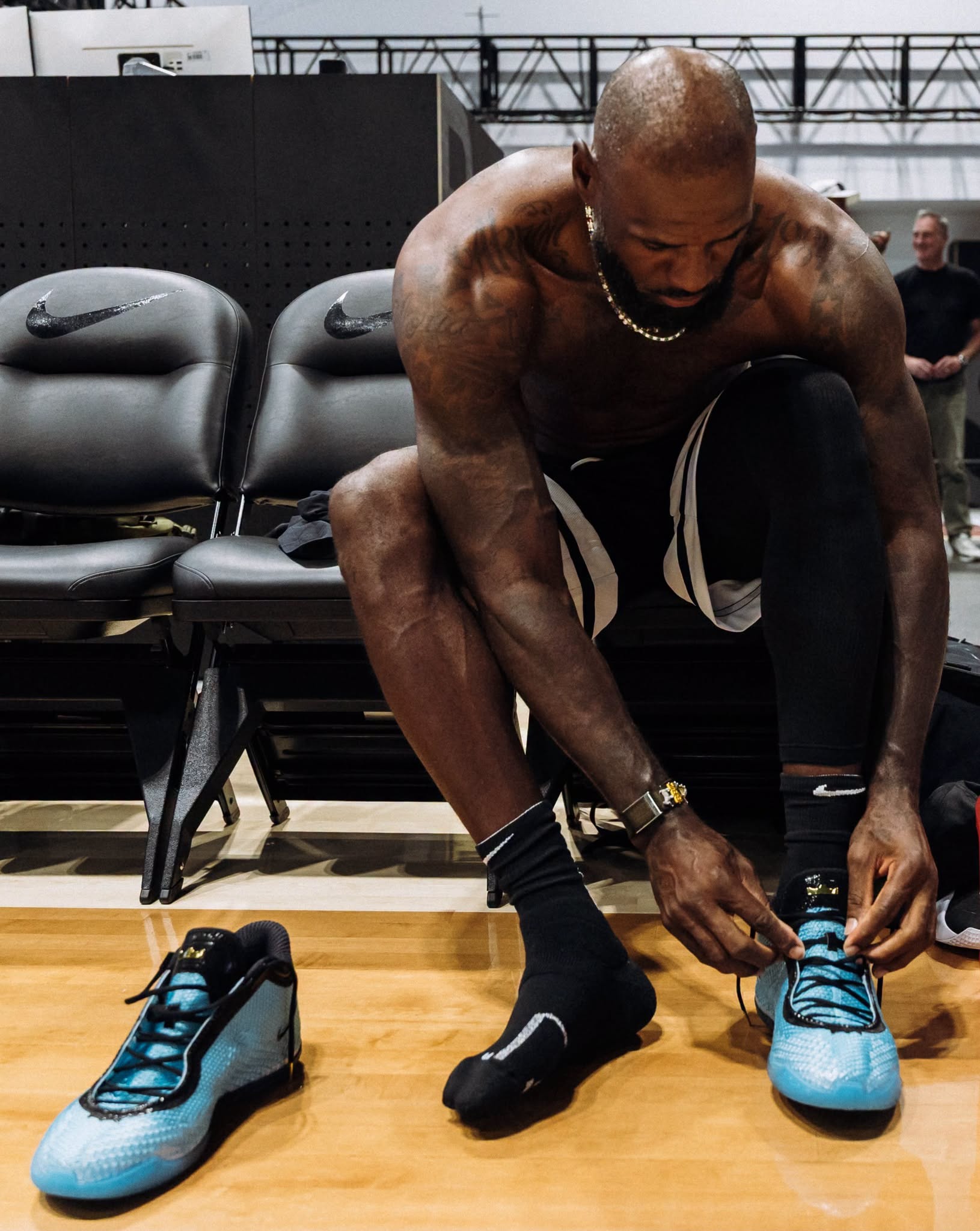
LeBond James: How the NBA Superstar Turned His Future Income Into $300 Million
photo courtesy LeBron James
the staff of the Ridgewood blog
Wall Street NY, LeBron James has completed one of the most unique financial engineering deals of the last decade: turning his personal earning power and future endorsement revenue into a Wall Street bond.
By securitizing his long-term revenue streams, the NBA icon upfronted hundreds of millions of dollars without incurring immediate asset-sale tax penalties—offering a masterclass in private credit and high-net-worth wealth management.
Inside the $300M “King James Funding” Bond Structure
In 2018, while playing for the Cleveland Cavaliers, an LLC controlled by James—King James Funding—issued nearly $300 million in long-term bonds.
-
The Collateral: Decades of future guaranteed income, anchored primarily by his lifetime contract with Nike.
-
The Terms: The original 2018 bonds carried a 4.8% yield with a maturity date extending to 2049.
-
The Buyers: Two Midwestern life insurance companies, with investment portfolios managed by Guggenheim Partners.
-
Refinancing: In 2022, the same insurance entities purchased approximately $60 million in 34-year bonds at a 5.75% rate. As of late last year, roughly $245 million in LeBron-backed debt remained on their balance sheets.
Instead of waiting 30 years for endorsement checks to arrive incrementally, the structure allowed James to pull cash flow into the present while avoiding the 40% to 50% tax hit associated with liquidating long-term investments.
Why Institutional Insurers Buy Celebrity Debt
While a 30-year bond tied to an individual’s earnings is illiquid for traditional mutual funds or retail banks, it fits the strategic needs of life insurance portfolios. Insurers manage vast pools of long-term capital and seek higher yields by committing money to private credit, royalty securitizations, and bespoke assets.
This transaction highlights the rapid growth of private credit over the last decade, where asset managers pair institutional capital seeking yield with alternative, non-corporate revenue streams like sports and entertainment contracts.
Timeline, Compliance, and Industry Context
Questions around the transaction emerged due to ties between financial entities and sports team ownership. Mark Walter, former CEO of Guggenheim, acquired a minority stake in the Los Angeles Lakers in 2021 and invested in SpringHill—the media production company co-founded by James and Maverick Carter.
However, representatives for James clarified the regulatory status of the financing:
-
Credit Ratings & Approvals: Both bond issuances received independent credit ratings, and the 2022 transaction received full NBA approval.
-
Corporate Separation: James maintains no direct corporate affiliation with Guggenheim or the underlying insurance firms beyond the bond agreements.
-
Regulatory Inquiries: The deal is unrelated to ongoing federal regulatory inquiries into separate loan disclosures within Walter’s broader insurance holdings.
The Evolution of Income Securitization
Monetizing future creative royalties is an established practice in music and film—pioneered most famously by David Bowie’s $55 million “Bowie Bonds” in 1997. However, applying securitization to an athlete’s personal endorsement portfolio at this magnitude remains exceptionally rare. While an effort to securitize Michael Jordan’s Nike earnings in the early 2000s never materialized, James’s structured bond offering shows how elite athletes are leveraging private debt markets to manage high-level wealth.
Take the Wall Street Walking Tour https://www.facebook.com/unofficialwallstreet #WallStreetTours,#FinancialDistrictExploration, #ExploreWallStreet, #FinancialHistoryTour, #StockMarketExperience, #FinancialDistrictDiscovery, #NYCFinanceTour,
#WallStreetAdventure
Suggested Content Tags: #LeBronJames #PrivateCredit #Finance #SportsBusiness #WealthManagement #Nike #WallStreet






Why won’t he just go away ?