
Most people wait until a room feels like a sauna before they do anything about it. By then, the fix is expensive, the wait for a technician is long, and the damage to your equipment may already be done. Running through a short list of home checks before the serious heat arrives is one of the highest-value habits a homeowner can build. This is not about a full renovation. It is about knowing exactly where to look, in order of impact, so nothing gets missed.
Your Air Filter Is Probably Already Overdue
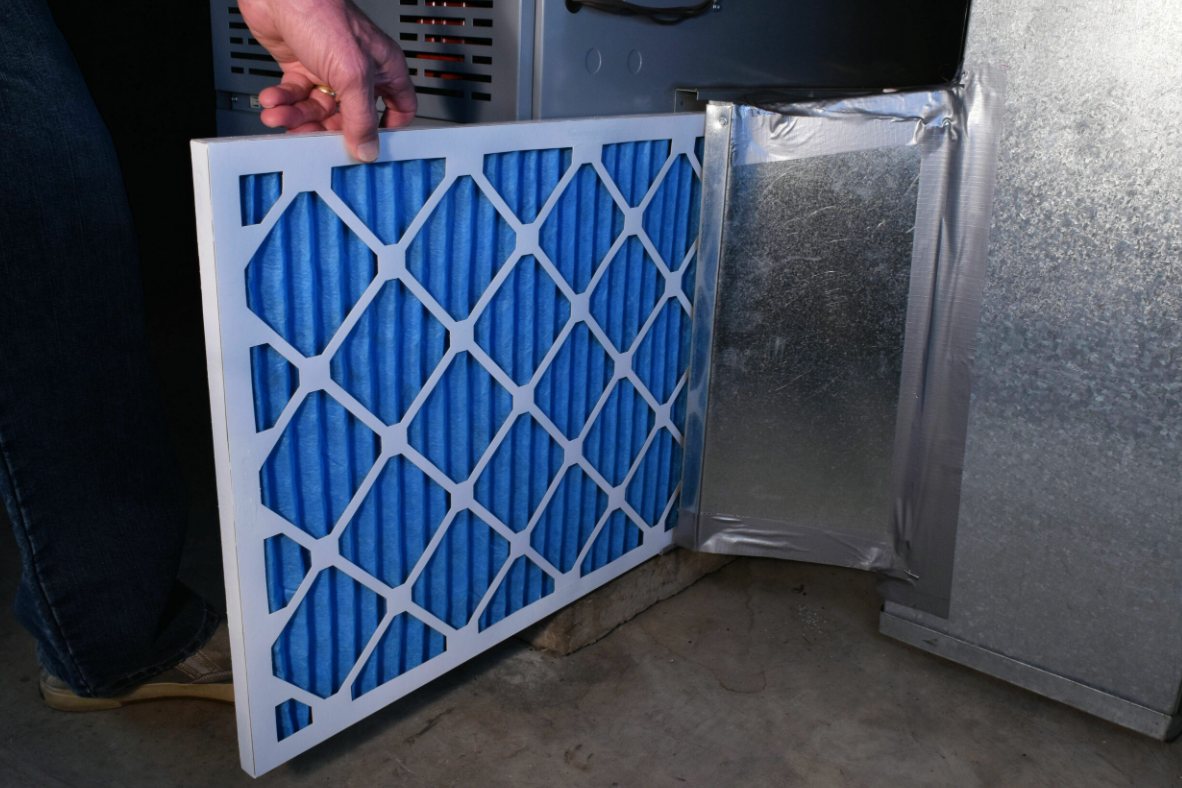
Pull the filter right now. If you cannot remember the last time you changed it, assume it is past due. A clogged filter does not just let dust through. It forces your system to work harder to push air across a smaller effective opening, running longer cycles, straining the blower motor, and burning more electricity every hour it operates.
According to U.S. Department of Energy guidance on air-conditioner maintenance, replacing a dirty, clogged filter with a clean one can lower a unit’s energy consumption by about 5 to 15 percent. On a high summer power bill, that range is real money.
Here is a quick personal framework for deciding your replacement interval. Call it the FAST Filter Check:
| Factor | Condition | Suggested Interval
|
|---|---|---|
| F — Filter thickness | 1-inch or 2-inch pleated | Every 60 to 90 days |
| A — Animals in home | One or more pets | Every 30 to 45 days |
| S — Season intensity | Running AC almost continuously | Check every 30 days |
| T — Thickness upgrade | 4-inch or 5-inch media filter | Every 3 to 6 months |
Tick two or more of those conditions, and you are almost certainly on a shorter cycle than you realize. A 5-dollar filter change beats a 500-dollar service call for a frozen evaporator coil every time.
Walk Your Vents and Returns Before Anything Else
This step takes ten minutes, and most homeowners skip it completely. Walk every room and check that every supply vent is open and unobstructed. Furniture pushed against a return grill is one of the single most common causes of uneven cooling, and it is invisible to a technician who is not on site.
While you are doing this, press your hand near each supply vent. If one room consistently gets weak airflow compared to others, note it. Possible causes include a partially closed damper, a disconnected duct run behind the wall, or a filter that is only covering part of the return opening. Any of those is fixable before summer peaks.
Also check the area around your air handler or furnace cabinet. A two-foot clear zone around the unit matters. Return air that has to travel through a cluttered utility closet is already working harder than it should.
The Ductwork You Cannot See Is Losing More Than You Think
Ducts that run through attics and unconditioned spaces are particularly vulnerable to leaks and gaps at connections. Those leaks are silent, and they do not trigger a warning light on your thermostat. You just notice the house never quite cools down in the back bedroom, or the electric bill creeps up year after year without an obvious explanation.
“Sealing and insulating ducts can improve the efficiency of your heating and cooling system by as much as 20 percent and sometimes much more.”- U.S. Department of Energy, EnergySavers resources on duct sealing.
A visual inspection will not catch every leak, but it will catch obvious disconnections and gaps at joints. If you find a section of flex duct that is kinked, collapsed, or pulling away from a boot connection, that is air you paid to cool dumping into your attic. A duct pressure test from a qualified technician can quantify exactly how much is leaking if you suspect the problem is bigger than what you can see.
Seal the Envelope: Windows, Doors, and Attic Access Panels
Your AC can be in perfect shape and still lose the battle against a house that is not sealed. Hot outside air entering through gaps around windows and doors, or through a poorly insulated attic hatch, forces your system to run longer to compensate. That extra runtime is wear, cost, and noise that adds up across a full cooling season.
Check your weatherstripping by sliding a dollar bill into a closed door. If it slides freely with no resistance, the seal is gone. Around windows, run your hand slowly along the frame on a hot afternoon and feel for warm air tracing in from outside. Foam backer rod and fresh caulk cost under twenty dollars at any hardware store and can make a noticeable difference within days.
Attic access panels get overlooked constantly. A pull-down attic stair with no insulation batt attached to the back is essentially a hole in your ceiling that the AC competes with all summer. A fitted attic door cover is a cheap, weekend fix.
Thermostat Placement and Programming Actually Matter
A thermostat mounted on a wall that gets direct afternoon sun, or close to the kitchen, will read warmer than the actual room temperature. Your system responds to the sensor, not the couch where you are sitting. If your thermostat is near a lamp, a south-facing window, or above a vent, its readings are compromised, and your AC will run longer than it needs to.
Check your programming too. Many households set a schedule once and never revisit it. If your household routine has shifted, your cooling schedule probably does not match how the house is actually occupied. A smart thermostat can learn occupancy patterns automatically, but even a basic programmable unit set to raise the temperature four degrees during empty hours will cut runtime without anyone noticing a comfort difference.
When to Stop Checking and Call a Professional
There is a clear line between what a homeowner can reasonably inspect and what needs a trained set of eyes and specialized equipment. Refrigerant levels, coil condition, electrical connections at the disconnect, and blower motor amperage all require a technician. If your system is more than ten years old, a pre-season professional tune-up is worth scheduling before peak demand hits and appointment windows stretch out.
The Environmental Protection Agency notes that poor filtration can contribute to indoor air quality problems by allowing dust and contaminants to circulate throughout the home. That is one more reason not to delay both filter maintenance and professional servicing until something goes wrong.
If you are in South Florida, where the cooling season runs essentially year-round and humidity compounds every maintenance issue, getting ahead of problems in early spring is especially critical. A local provider offering air conditioning service Boynton Beach fl residents can count on will book up fast once temperatures spike, so scheduling before the rush is simply the smarter move.
Make It a Habit, Not a Scramble
Most of the checks above take under an hour total. The homeowners who consistently have lower energy bills and fewer emergency service calls are not doing anything magical. They are just doing these basics on a calendar, not in a panic. Set a reminder at the start of each quarter, change the filter, walk the vents, check the seals, and confirm the thermostat schedule still reflects how the house actually operates. Your HVAC system is the hardest-working machine in your home. Treat it that way before summer turns unforgiving, and it will return the favor all season long.





