
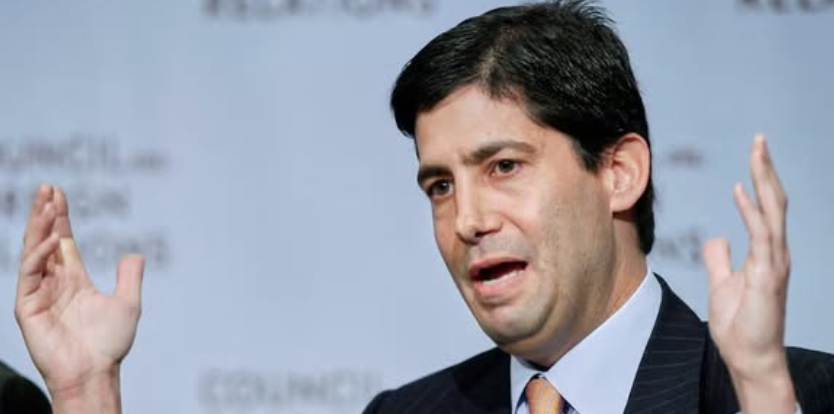
“Otherwise, We Have Work to Do”: Fed Chair Kevin Warsh Signals Policy Overhaul and Tougher Stance on Inflation
the staff of the Ridgewood blog
Ridgewood NJ, In his debut address at the Federal Reserve’s annual economic symposium in Jackson Hole, Wyoming, newly appointed Fed Chair Kevin Warsh issued a stern warning regarding US price stability: the central bank is prepared to act if inflation does not return to its target pace.
“We must be confident that underlying inflation is moving to our objective, clearly and at sufficient speed,” Warsh stated during his speech. “Otherwise, we have work to do.”
The hawkish tone underscored a major shift in leadership and communication style at the central bank, pointing toward what insiders describe as a “quiet revolution” in modern monetary policy.
The 5 Task Forces: Rethinking Federal Reserve Operations
Following his first Federal Open Market Committee (FOMC) meeting at the helm, Warsh unveiled a sprawling structural review powered by five internal and external task forces. Designed to examine central bank practices from “first principles,” the initiatives represent one of the most ambitious operational reviews in recent Fed history.
The task forces will focus on critical pillars of the central bank’s function:
-
Communications & Forward Guidance: Pivoting toward a “quieter” Fed by reducing forward guidance to allow unfiltered market signals.
-
Economic Data & Measurement: Re-evaluating the underlying data sources used to track inflation and economic health.
-
Inflation Dynamics: Deeply analyzing persistent price drivers and underlying economic trends.
-
Technology & AI: Assessing the structural impacts of artificial intelligence and emerging technology on productivity and labor markets.
-
Balance Sheet Reduction: Managing the composition and runoff of the Fed’s $6.7 trillion balance sheet.
According to Warsh, the end goal is a Federal Reserve that is “clear-eyed about its mission, fit for purpose, and focused on the future.”
Ending “Forward Guidance” for a “Quieter” Central Bank
A central theme of Warsh’s strategy is curbing the Fed’s reliance on explicit future policy promises, often known as forward guidance. Arguing that the practice has “overstayed its welcome” since its introduction during the 2008 financial crisis, Warsh wants market participants to rely on real economic data rather than trying to front-run central bank commentary.
“Market participants should not indulge a regime in which they are looking primarily to the Fed for their next trade,” Warsh argued.
By letting financial markets react to raw economic signals rather than central bank hints, the Fed aims to rebuild policy flexibility while maintaining a singular focus on bringing inflation down to its 2% benchmark.
Take the Wall Street Walking Tour https://www.facebook.com/
#WallStreetAdventure
Federal Reserve Kevin Warsh Inflation Interest Rates Jackson Hole Monetary Policy Economy US Banking





