
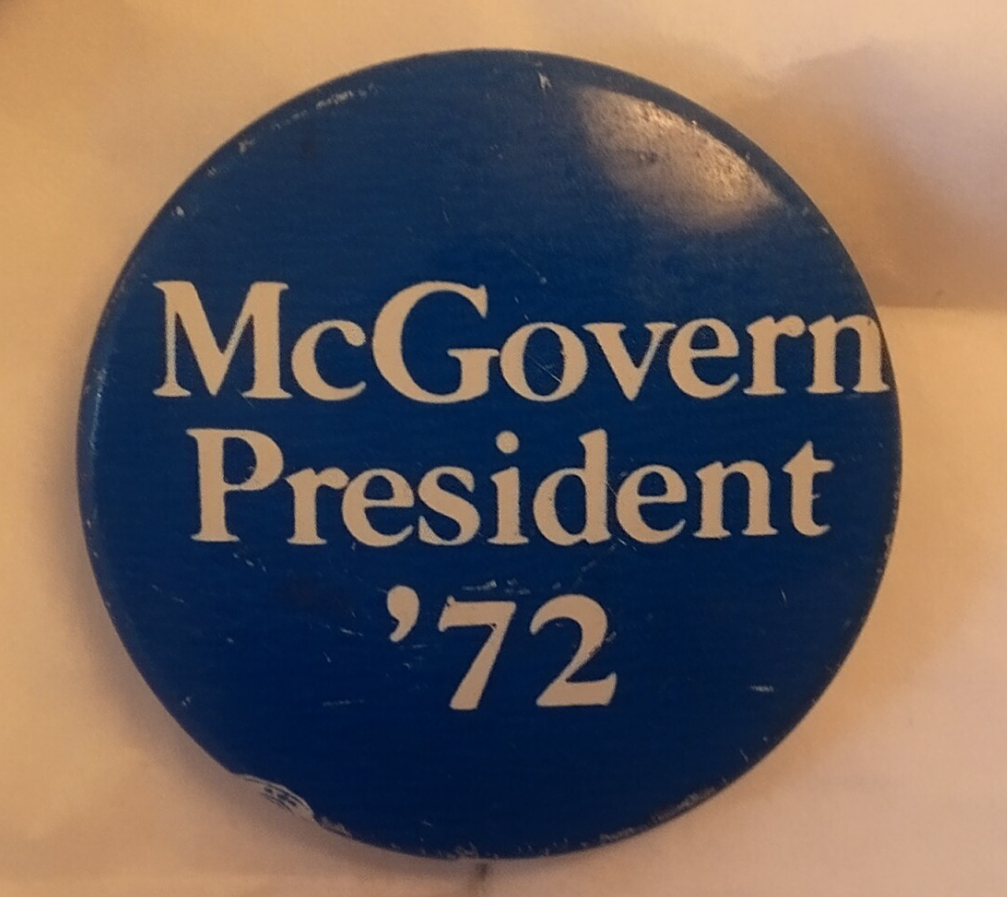
Anatomy of a Landslide: What Destroyed George McGovern’s 1972 Presidential Campaign?
the staff of the Ridgewood blog
Washington DC, George McGovern’s 1972 presidential campaign remains one of the most studied chapters in modern American political history and a warning to Democrats today. Characterized by grassroots fringe enthusiasm and a crazy and stupid progressive platform, the campaign was ultimately doomed by a series of high-profile missteps, internal party division, and communications challenges that led to a historic electoral defeat.
Key Campaign Controversies and Strategic Missteps
While McGovern successfully mobilized anti-war activists and younger voters during the Democratic primaries, several key issues undermined his general election effort against incumbent President Richard Nixon:
-
The Thomas Eagleton Running Mate Controversy:
McGovern initially selected Missouri Senator Thomas Eagleton as his vice-presidential nominee. Shortly after the convention, reports revealed that Eagleton had previously undergone electroshock therapy for depression. After initially pledging “1000% support” to Eagleton, public pressure forced McGovern to request his withdrawal, replacing him with Sargent Shriver. The reversal damaged McGovern’s reputation for decisive leadership.
-
Inconsistent Campaign Messaging:
The campaign struggled to maintain a consistent stance on primary economic and social policies. Shifting positions on key issues confused moderate voters and allowed opponents to frame the campaign as erratic.
-
Deep Internal Party Divisions:
The 1972 Democratic National Convention highlighted fractured party factions. McGovern’s progressive delegate base faced intense friction from traditional labor leaders and establishment moderates, preventing a unified front during the general election campaign.
The Historic 1972 Electoral Outcome
The combined impact of these controversies resulted in one of the largest presidential landslide victories in U.S. history:
-
Popular Vote: Incumbent Richard Nixon secured 60.7% of the popular vote, while McGovern captured just 37.5%.
-
Electoral College: Nixon won 49 of 50 states (taking 97% of the Electoral College votes), leaving McGovern with only Massachusetts and the District of Columbia.
The legacy of the 1972 election continues to serve as a cautionary tale in presidential campaign strategy, highlighting the vital importance of party unity, running-mate vetting, and consistent messaging.
.Follow the Ridgewood blog has a brand-new new X account, we tweet good sh$t
https://x.com/TRBNJNews
https://truthsocial.com/@
https://mewe.com/jamesfoytlin.
#news #follow #media #trending #viral #newsupdate #currentaffairs #BergenCountyNews #NJBreakingNews #NJHeadlines #NJTopStories
Tags US Political History 1972 Election Democratic Party George McGovern Electoral Campaigns American History





