
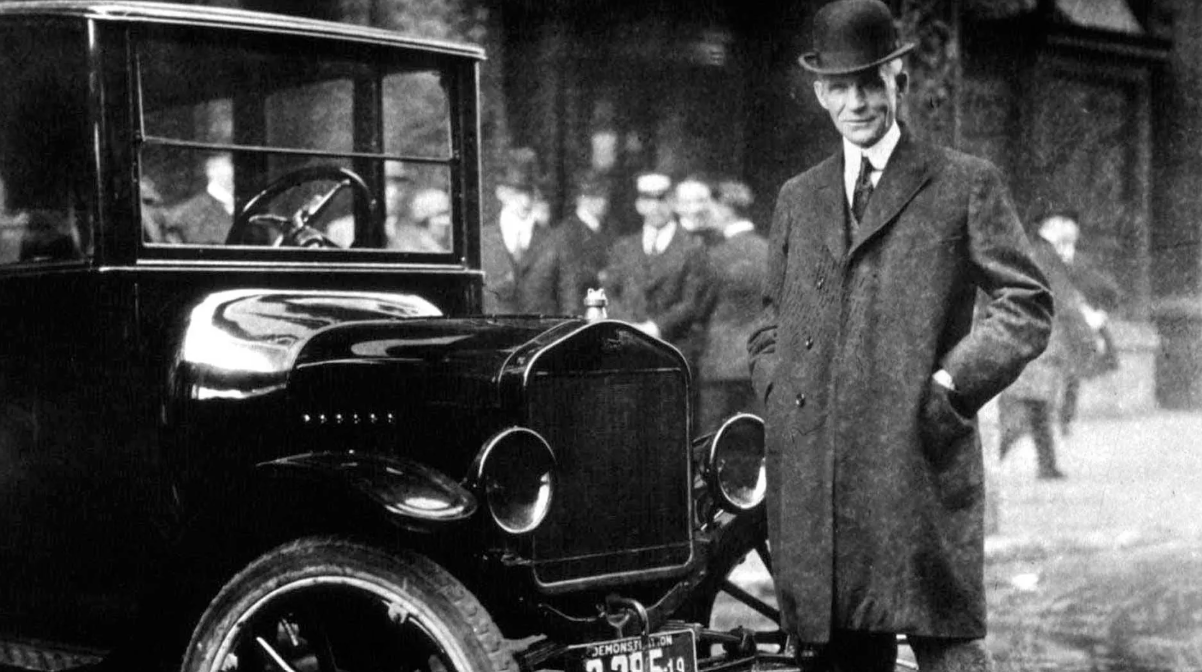
Henry Ford Gave Us the Weekend
the staff of the Ridgewood blog
Ridgewood NJ, Every Labor Day weekend, a familiar debate resurfaces across social media: Who actually created the 8-hour workday, the 40-hour workweek, and the weekend?
Viral social media graphics often claim that Henry Ford—driven by capitalist competition—deserves sole credit for doubling wages and instituting five-day workweeks in 1926. But labor historians point to a much longer, complex struggle involving unions, social activism, and legislation.
The Long Fight for the 8-Hour Workday
The push for reasonable working hours began long before Ford Motor Company was founded in 1903.
During the late 19th century, average Americans routinely worked 10- to 12-hour days, six days a week. Early efforts to limit working hours took shape decades before Ford’s industrial innovations:
-
Post-Civil War Legislation: Early laws were passed in Illinois (1867) and for federal employees (1868) limiting workdays to eight hours, though enforcement was weak.
-
The 1886 Haymarket Affair: In 1884, the Federation of Organized Trades and Labor Unions (predecessor to the AFL-CIO) demanded an eight-hour day by May 1, 1886. Protests culminates in Chicago’s Haymarket Square rally, turning national and international attention toward labor reform.
Henry Ford’s Strategic Business Move
In 1914—twelve years earlier than many social media claims suggest—Ford Motor Co. made headlines by instituting eight-hour shifts and raising minimum wages to $5 per day (up from $2.34). Later, in 1926, Ford adopted a 5-day, 40-hour workweek.
While significant, historians emphasize that Ford’s decision was driven by practical business strategy:
-
Reducing Turnover: High burnout and turnover rates on modern assembly lines threatened factory productivity.
-
Increasing Consumer Demand: Giving workers more leisure time and higher pay ensured they had the means to purchase the very automobiles they were manufacturing.
A Collaborative Evolution of Worker Protections
Attributing modern labor rights entirely to one company or solely to organized labor overlooks how workplace standards actually evolved:
-
Unions & Organizing: Brought sustained political pressure, public awareness, and collective bargaining leverage to demand safer conditions and standard hours.
-
Market Competition & Corporate Innovation: Industrial leaders like Henry Ford demonstrated that shorter work hours and higher wages could boost efficiency and profitability.
-
Federal Legislation: Broader protections, including minimum wage laws and mandatory overtime pay, were ultimately codified through federal action like the Fair Labor Standards Act of 1938.
Take the Wall Street Walking Tour https://www.facebook.com/
#WallStreetAdventure
Tags: Labor History, Henry Ford, Labor Unions, 40 Hour Work Week, Fact Check, Economics, US History





