
$98K Turf Repair or Capital Fix? Community Questions BOE’s Long-Term Field Remediation Strategy
the staff of the Ridgewood blog
Ridgewood NJ, With local sports seasons on the line, the Board of Education (BOE) faces intense short-term pressure to get athletic fields reopened quickly. However, residents and taxpayers are raising serious concerns about the long-term sustainability and financial toll of repeated temporary repairs.
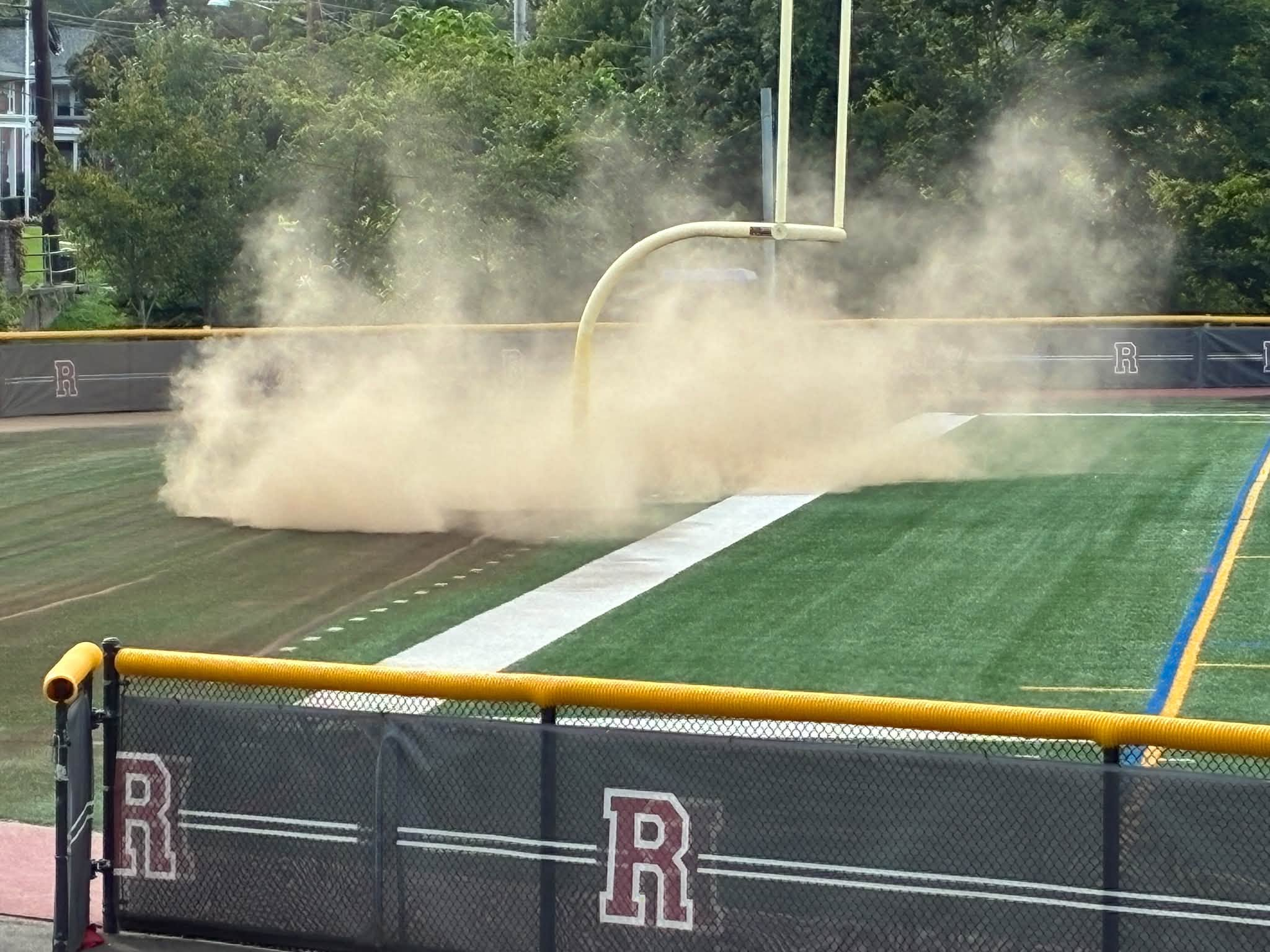
With the latest remediation round for the stadium field priced at $98,000—marking the fourth repair cycle since July—community members are asking whether quick turf fixes are becoming a permanent, costly cycle.
The High Cost of Short-Term Turf Fixes
While artificial turf offers a quick turnaround to salvage current sports schedules, critics point out that throwing tens of thousands of dollars at repeated flood damage does not fix the root cause.
Key concerns surrounding the current remediation approach include:
-
Escalating Costs: At $98,000 for the stadium field alone, maintenance and cleanup costs are rapidly stacking up across multiple flood events.
-
Playing Surface Quality: Specific remediation steps, such as removing sand infill during cleanup, can impact field playability and increase potential injury risks for athletes.
-
Recurring Vulnerability: Without addressing underlying water runoff, every major storm risks triggering another expensive cleanup cycle.
Looking Beyond Quick Fixes: A Long-Term Drainage Solution
Rather than repeatedly funding post-flood cleanups, community members are urging local officials to consider structural mitigation techniques that intercept floodwaters before they reach the playing surfaces.
One proposed capital project concept involves building a peripheral retention or drainage system—such as a moat or specialized retention basin—around vulnerable athletic fields:
“If we can’t modify the waterways themselves, that doesn’t mean we can’t use mitigation techniques to lessen the impact. Essentially, we could look at building a moat or similar drainage/retention system around the fields to capture floodwater and silt before it reaches the playing surfaces, and then direct that water somewhere more manageable.”
Inter-Agency Collaboration: BOE and Village Council Partnership
Implementing large-scale flood mitigation requires substantial resources. Community advocates suggest that joint capital projects between the Board of Education and the Village Council (VC) could make long-term infrastructure improvements manageable and cost-effective.
By tackling flood management as a shared municipal and school district project, local leaders can address the actual problem of managing predictable floodwaters rather than continually paying for emergency repairs.
Key Takeaways
-
Emergency Remediation: The latest stadium field cleanup effort costs $98,000, adding to three previous repair rounds since July.
-
Player Safety Concerns: Cleanup procedures that strip sand infill may alter field conditions and increase injury risks.
-
Proposed Infrastructure Fix: Community members advocate for a dedicated drainage/retention system surrounding fields to catch silt and floodwater.
-
Call for Collaboration: Joint planning between the School District and Local Council could fund a permanent solution.
Tell your story #TheRidgewoodblog , #Indpendentnews, #information, #advertise, #guestpost, #affiliatemarketing,#
Tags: Board of Education, Local Politics, Public Works, Youth Sports, Flood Mitigation






How much will remediation cost st Stevens ?