
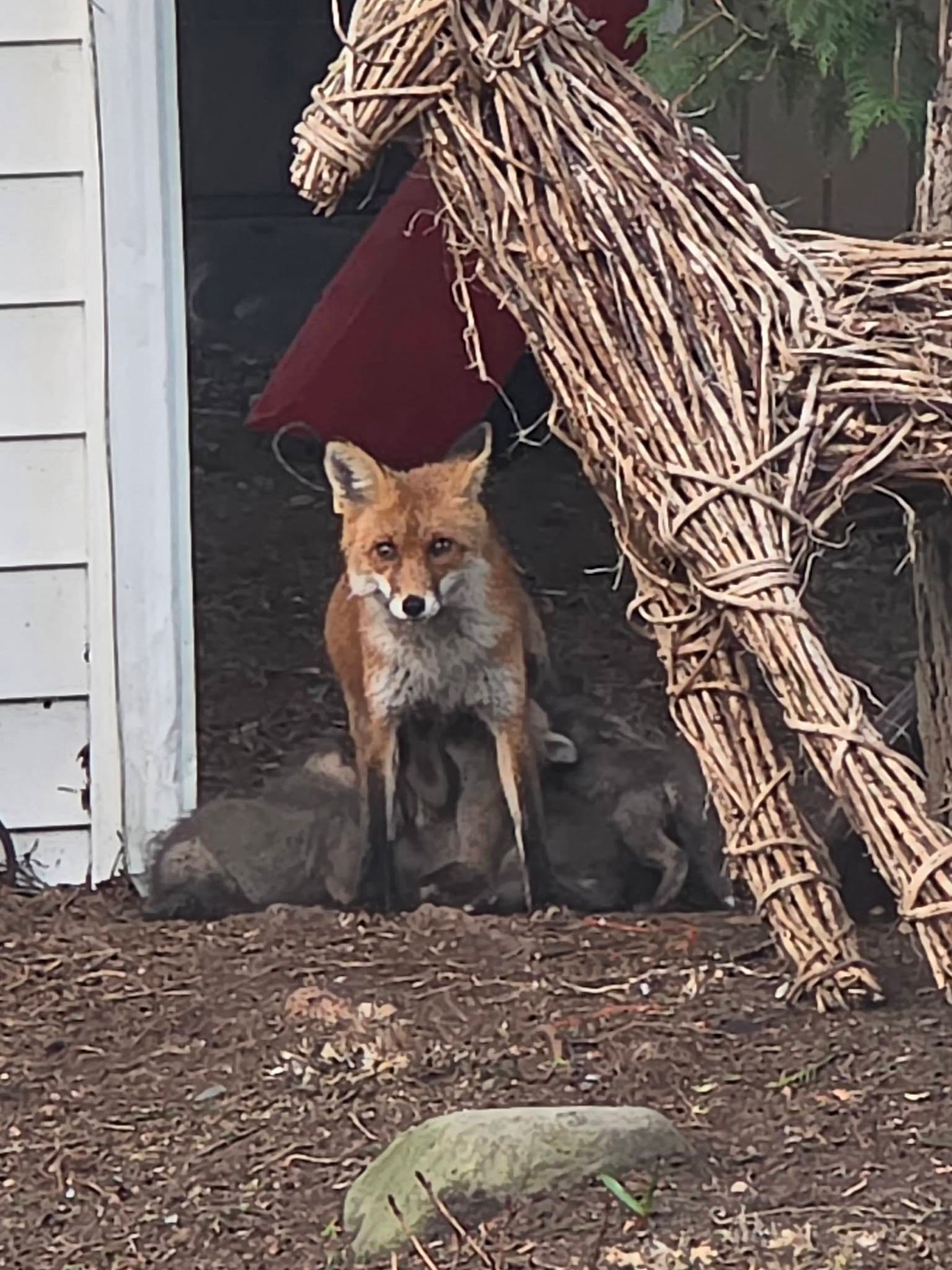
Red or Gray? What to Do if You Spot a Fox in Ridgewood
photo courtesy of DDMT
the staff of the Ridgewood blog
Ridgewood NJ, Have you recently spotted a bushy tail darting through your backyard or across a Ridgewood street? You’re not alone. While fox sightings in Ridgewood can be startling, these intelligent animals have called New Jersey home since colonial times.
Whether you’ve encountered a fiery-colored Red Fox or a secretive Gray Fox, understanding these neighbors is the key to coexisting peacefully. Here is everything you need to know about Ridgewood’s local fox populations.
Meet the Neighbors: New Jersey’s Two Fox Species
New Jersey is home to two distinct species: the Red Fox (Vulpes vulpes) and the Gray Fox (Urocyon cinereoargenteus). While they might look similar from a distance, they have very different personalities and habits.
1. The Red Fox: The Bold Suburbanite
The Red Fox is the one you are most likely to see. Identifiable by its orange-red coat, black “stockings,” and iconic white-tipped tail, these foxes are highly adaptable.
-
Size: Roughly 8 to 15 pounds (about the size of a small dog).
-
Habitat: They love suburban lawns, golf courses, and parks. Your yard might actually be more attractive to them than a deep forest!
-
Fun Fact: Though they were introduced from Europe in the 1700s for hunting, there is evidence of a smaller native red fox population that existed long before that.
2. The Gray Fox: The Secretive Tree-Climber
The Gray Fox is the “true” native of New Jersey. They are smaller and much more elusive than their red cousins.
-
Unique Ability: Unlike almost any other member of the dog family, Gray Foxes can climb trees! They use hooked claws to scramble up trunks to escape predators or find fruit.
-
Appearance: A beautiful salt-and-pepper gray coat with rusty accents around the neck and ears.
Are Ridgewood Foxes Dangerous?
The short answer is no. Healthy foxes pose virtually no threat to humans. They are naturally wary of people and will usually run away long before you get close.
However, they are highly intelligent predators. While they mostly eat meadow voles, mice, and rabbits, they are opportunistic.
Important Note: Small domestic animals like chickens, rabbits, and even outdoor cats can be at risk. If you have small pets, ensure they are supervised or kept in secure, fox-proof enclosures.
How to Coexist: Tips for Homeowners
If a fox has moved into your neighborhood, there’s usually no need for alarm. To keep them from becoming too “comfortable” in your yard, follow these steps:
-
Remove Attractants: Don’t leave pet food outside, secure your trash cans, and pick up fallen fruit from trees.
-
Seal the Den: Foxes often take over old woodchuck burrows. If you find a den under your porch or shed, use “harassing” techniques like loud noises or specialized scents (like coyote urine) to encourage them to move on.
-
Never Feed Wildlife: Feeding a fox causes it to lose its natural fear of humans, which often leads to problems for the animal down the road.
-
The “Scare” Tactic: If a fox is lingering too close, making loud noises or clapping your hands is usually enough to send them packing.
When to Call for Help
While foxes are active during the day (especially when raising pups), you should keep a distance from any animal acting strangely. Contact the Ridgewood Police or Animal Control if you see a fox displaying:
-
Unprovoked aggression.
-
Impaired movement or paralysis.
-
Extreme disorientation or “unusually friendly” behavior.
Quick Comparison: Red Fox vs. Gray Fox
| Feature | Red Fox | Gray Fox |
| Tail Tip | Always White | Always Black |
| Climbing | Terrestrial (Ground only) | Can climb trees |
| Habitat | Open fields/Suburbs | Dense woods/Brush |
| Activity | Crepuscular (Dawn/Dusk) | Primarily Nocturnal |
Stay updated on state and national news that affects you. From politics to policy, from culture to current affairs, our eBlast will keep you well-informed . http://eepurl.com/bgt6T #RidgewoodBlog #News #LocalNews #StateNews #NationalNews #Subscribe #StayInformed #Community
Tags: #RidgewoodNJ #BergenCounty #WildlifeSafety #RedFox #GrayFox #NatureNJ #SuburbanWildlife #AnimalSafety





