
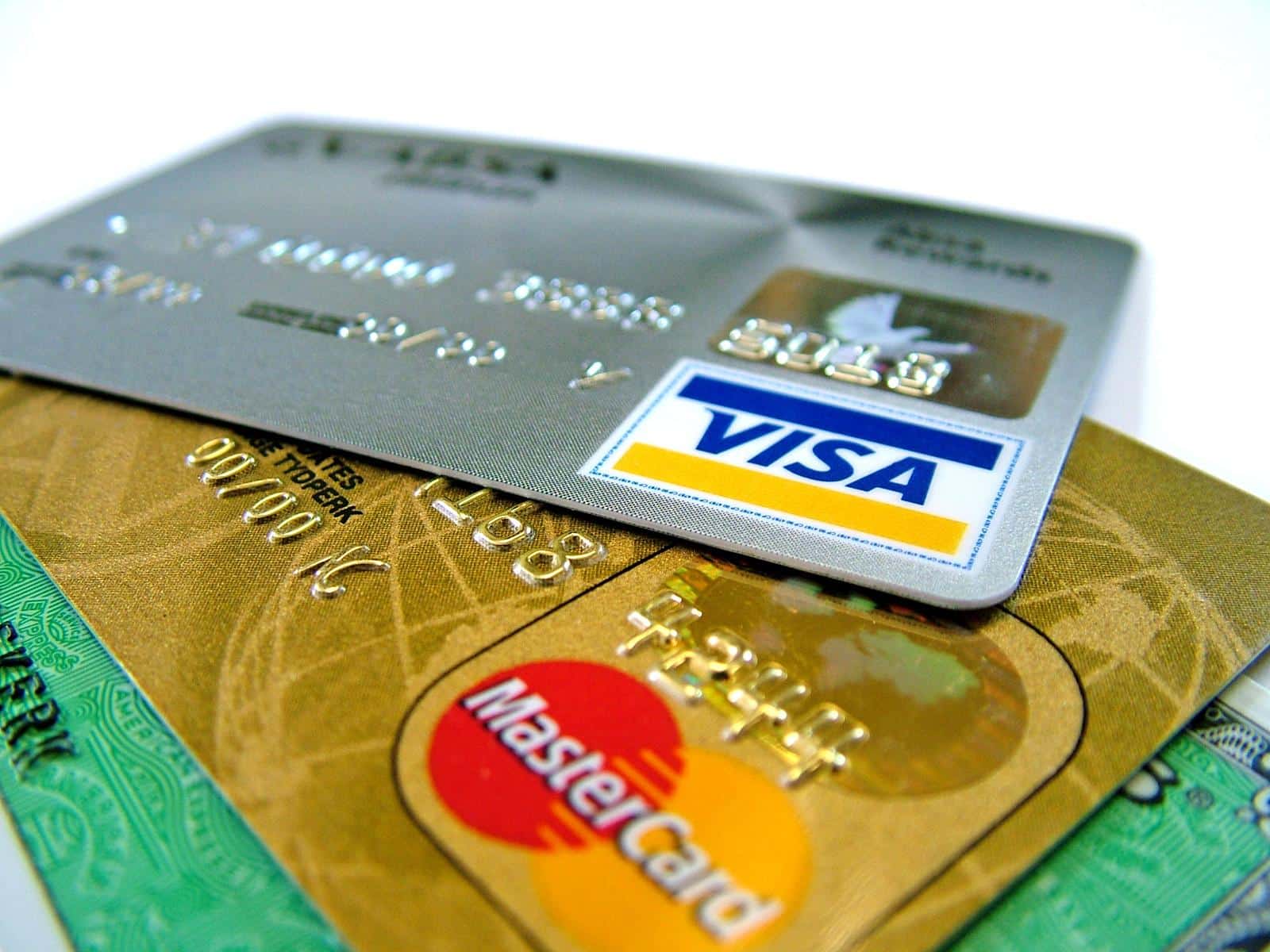
Available credit can feel like extra money. A card issuer raises your limit, a lender sends a personal loan offer, or a store announces that you qualify for financing. Suddenly, a purchase that seemed out of reach looks possible. The offer may even feel like proof that a financial professional has decided you can afford it.
That impression becomes less convincing when you compare available credit with your actual expense categories. Housing, food, transportation, insurance, savings, and existing payments already have claims on your income. A lender may give you permission to borrow, but it does not reorganize those obligations or create the money required to repay the new balance.
Credit availability answers only one question: How much is a lender currently willing to let you borrow? It does not answer whether the purchase is necessary, whether the terms are reasonable, or whether the future payment fits your life. Those decisions still belong to you.
A Credit Limit Is Permission, Not Advice
A credit limit is the maximum amount an issuer allows you to borrow through an account. It is not a recommended spending amount and should never be treated as a target.
The lender calculates that limit using its own standards. It may consider income, credit history, existing balances, and other information. The goal is to decide how much risk the company is willing to accept while earning interest and fees from the account.
Your personal calculation should be different. You need to consider rent or mortgage payments, household expenses, savings goals, job stability, family responsibilities, and the possibility of unexpected costs. A lender does not know every detail of your financial life, and it will not experience the consequences if the payment becomes stressful.
The safest personal limit may be far below the official limit. In many cases, it is the amount you can pay from money already available in your budget.
Available Credit Can Create a False Sense of Wealth
Seeing a large amount of unused credit can change how affordable something feels. A $2,000 purchase may appear manageable when a card has a $10,000 limit, even if you would never spend $2,000 directly from checking.
Nothing about the household’s wealth has changed. The available balance represents borrowing capacity, not savings, income, or ownership. Using it creates an obligation against future paychecks.
This distinction is easy to forget because credit removes the immediate need to part with cash. You receive the item now, while the full financial effect arrives gradually through statements and payments.
A useful habit is to subtract the purchase from available cash before considering the credit limit. When the purchase does not fit the budget without borrowing, ask what specific benefit makes the debt worthwhile.
A Higher Limit Can Help Without Being Used
A high credit limit may support a lower credit utilization ratio when balances remain modest. Credit utilization compares revolving balances with available revolving credit, and scoring models may view high utilization as a sign of financial pressure.
That does not mean you should use more of the limit. The potential credit benefit comes from having borrowing capacity available while keeping balances low.
Suppose you have a $10,000 limit and a $1,000 reported balance. Your utilization on that account is much lower than it would be with the same balance and a $2,000 limit. Charging another $5,000 would use the additional capacity and could weaken the advantage.
The healthiest response to a limit increase may be doing nothing. You can allow the larger limit to create more space between your balance and the maximum without treating it as an invitation to upgrade your lifestyle.
Interest Turns Convenience Into a Long Term Cost
Borrowing changes the price of a purchase. The amount on the receipt is only the starting point when a balance will be carried over several months.
Interest charges increase the total cost, while a longer repayment period keeps part of your future income unavailable. A purchase that seemed affordable because of a small monthly payment may become much more expensive by the time it is fully repaid.
The Federal Deposit Insurance Corporation recommends looking at the long term cost of loans and credit cards, including interest rates, fees, and repayment terms. This broader view matters because the easiest loan to obtain is not always the least expensive one to carry.
Before borrowing, calculate the total amount you expect to repay. Include interest, origination fees, transfer fees, annual fees, and any other required costs. Then decide whether the purchase still provides enough value at that higher price.
Minimum Payments Can Hide the Real Commitment
A minimum payment makes a balance appear manageable because it reduces the amount due this month. It does not show how long repayment may take or how much interest may accumulate.
Paying only the minimum can keep a balance in place for years, especially when new purchases continue. The account remains current, but progress may be extremely slow.
Federal credit card rules require statements to warn consumers that making only minimum payments can increase both the interest paid and the time needed for repayment. Your statement may also include an estimate showing how long the current balance could take to repay under different payment amounts.
Read that section before adding another charge. The new purchase does not exist in isolation. It joins every previous transaction and may extend the repayment period further.
A realistic borrowing plan should include a fixed repayment amount and a target completion date. “I will pay more when I can” is a hope, not a plan.
Monthly Affordability Is Not Total Affordability
Salespeople and lenders often focus attention on the monthly payment. That number matters, but it can be adjusted by extending the repayment period.
A smaller payment over more months may feel comfortable while producing a higher total cost. It also keeps the obligation in your budget longer, reducing flexibility during future job changes, emergencies, or increases in essential expenses.
Ask how many payments will be required and what the total of those payments will be. Compare that amount with the original price and with other financing options.
You should also consider how the payment fits during a difficult month, not only during a normal one. A payment that works when income is strong may become a problem after reduced hours, an illness, or a major repair.
True affordability includes the amount, duration, risk, and effect on other priorities.
Promotional Offers Are Still Debt
A zero percent offer can be useful when it is paired with a clear repayment plan. It can also make borrowing feel harmless because interest is temporarily absent.
The promotional period eventually ends. Any remaining balance may begin accumulating interest at the standard rate, which can be much higher than the introductory rate. Some offers also charge transfer or transaction fees at the beginning.
Deferred interest financing deserves special attention. Depending on the terms, failing to repay the full promotional balance by the deadline may cause interest to be charged from the original purchase date.
Divide the total balance by the number of months in the promotional period. The result is a better estimate of the payment required to finish on time than the minimum shown on the statement.
Do not accept the offer when that payment does not fit comfortably. A temporary rate does not make an unaffordable purchase affordable.
Preapproval Does Not Mean the Purchase Makes Sense
A preapproved loan or card offer can feel personal, as though the lender reviewed your life and decided the borrowing would be appropriate. Usually, the offer means only that limited information suggests you may satisfy initial eligibility standards.
You may still need to complete an application and accept specific terms. The final interest rate, credit limit, or loan amount may differ from the amount highlighted in the promotion.
Even final approval does not establish that borrowing is a good decision. A lender evaluates whether extending credit fits its standards. It does not decide whether the debt supports your values or interferes with another goal.
Treat approval as access, not endorsement. You are still responsible for evaluating the need, price, repayment plan, and alternatives.
Borrowing for a Want Can Become a Future Need
Credit can make optional purchases compete with future necessities. A vacation, electronic device, or furniture upgrade may create a payment that continues when the car needs repair or a medical bill arrives.
The original purchase does not become less optional just because the new emergency is real. Yet both expenses must now be supported by the same income.
This is one reason borrowing reduces flexibility. It gives today’s wants priority over tomorrow’s unknown needs.
Before financing an optional purchase, imagine that an unexpected expense appears one month later. Could you manage both obligations without new debt? When the answer is no, waiting may protect more than the purchase price. It may preserve your ability to respond to the rest of life.
Emergency Borrowing Still Needs a Recovery Plan
Sometimes borrowing is the most practical option available. A necessary repair, medical expense, or urgent family need may not wait until savings are sufficient.
Using credit in an emergency is not automatically irresponsible. The important question is what happens after the immediate problem is handled.
Create a repayment plan while the reason for borrowing is still clear. Identify the monthly amount, payoff date, and expenses that may need to change temporarily. Also consider how a reserve could be built later to reduce dependence on credit during the next emergency.
Without a recovery plan, emergency debt can remain long after the emergency ends. New expenses may then be added to the same balance, making it difficult to separate genuine needs from ordinary spending.
Do Not Use Credit to Protect an Unsustainable Lifestyle
Borrowing can hide a mismatch between income and spending. A credit card covers groceries near the end of the month, a personal loan consolidates balances, and a new card provides fresh available credit.
Each step creates temporary breathing room, but the underlying shortage remains. If regular expenses continue to exceed reliable income, the new credit will eventually be used as well.
This situation requires a structural response. Review major expenses, income stability, housing, transportation, insurance, and other recurring commitments. Small cuts may help, but they cannot always solve a large monthly gap.
Consolidation can reduce interest or simplify payments, but it works only when new borrowing stops and the budget can support the new payment. Otherwise, the old balances may return while the consolidation loan remains.
Shared Households Need a Borrowing Policy
Couples and families can disagree about when borrowing is acceptable. One person may view credit as a practical convenience, while another sees every balance as a threat.
A shared policy reduces arguments during individual purchases. The household might agree that routine card charges must be supported by cash, balances cannot be carried without discussion, and new financing above a certain amount requires agreement from both people.
The policy should also identify acceptable reasons for borrowing. An essential repair may receive different treatment from an optional upgrade. Clear definitions prevent one person from assuming that available credit equals shared permission.
Both partners should know which accounts exist, who is legally responsible, and how much is owed. Financial privacy can still exist, but hidden debt can affect shared housing, savings, and future borrowing.
Use a Three Question Test Before Borrowing
A simple test can slow the decision without making every purchase complicated.
First, ask whether borrowing is necessary. Could the purchase be delayed, reduced, replaced, or paid from savings without creating another problem?
Second, ask whether the total cost is acceptable. Include interest and fees rather than focusing only on the monthly payment.
Third, ask whether the repayment plan is specific. You should know the payment amount, source of repayment, and expected payoff date before accepting the debt.
When any answer is unclear, pause. Uncertainty usually becomes more expensive after the contract is signed.
Unused Credit Can Be Financial Strength
Available credit does not need to be used to have value. It can support a lower utilization ratio, provide a backup payment method, and preserve borrowing capacity for a future situation where credit has a clear purpose.
Leaving it unused also protects future income. No payment is required, no interest accumulates, and no purchase limits your next decision.
That restraint may feel less rewarding than buying something immediately, but it creates options. You can respond to emergencies, compare future offers, and choose whether borrowing supports a real need.
Credit is most useful when access does not create pressure to act. A high limit can remain a quiet resource rather than becoming a reason to expand spending.
Do not borrow because a lender made borrowing easy. Borrow only when the purpose is clear, the total cost is justified, and repayment fits your real budget. Available credit is a financial option. Keeping the option available can be more valuable than using it.





