The Vision: “Orbital Data Centers” are the New Frontier
the staff of the Ridgewood blog
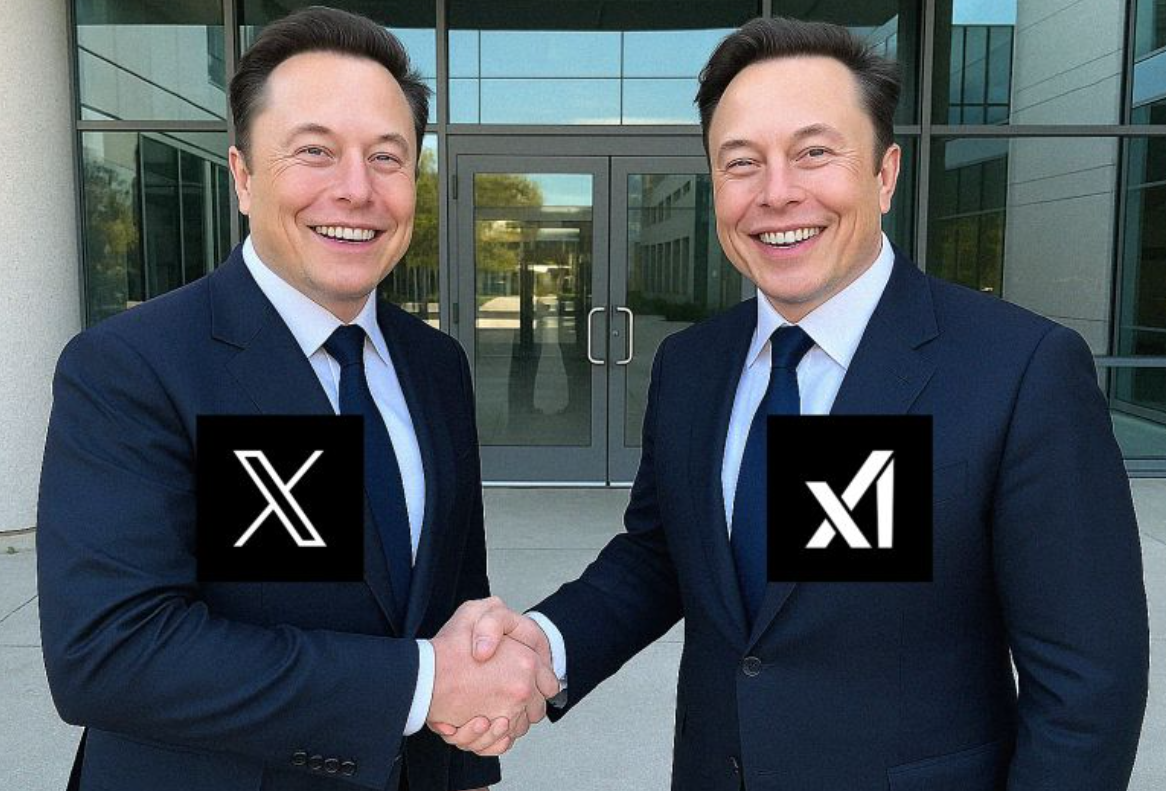
Brownsville Tx, Elon Musk is moving the chess pieces of his empire again, and this time, the stakes are astronomical. In a move that has sent shockwaves through Silicon Valley and Wall Street, SpaceX has officially acquired xAI in a historic deal valuing the AI startup at $250 billion.
The merger creates a vertically integrated behemoth—a “Musk Inc.” of sorts—valued at a staggering $1.25 trillion just as SpaceX prepares for what could be the largest IPO in human history.
The Vision: “Orbital Data Centers” are the New Frontier
Musk isn’t just buying a chatbot; he’s selling a future where AI lives in the stars. On Monday, Musk framed the combination as the only way to bypass Earth’s looming energy crisis.
“In the long term, space-based AI is obviously the only way to scale,” Musk stated.
His plan? The Orbital Data Center system. SpaceX has already filed with the FCC to launch up to one million satellites designed to function as floating supercomputers. By capturing near-constant solar power in orbit, Musk claims he can solve the massive electricity and cooling demands that are currently throttling AI development on the ground.
The Financial Reality: A $250 Billion “Bailout”?
While the “space-based AI” pitch is pure science fiction, the balance sheets tell a more terrestrial story.
-
xAI’s Cash Burn: Like all AI giants, xAI is burning billions to develop models like Grok 4.
-
The Revenue Gap: SpaceX generated roughly $15 billion in 2025. While impressive, it pales in comparison to the $200 billion generated by competitors like Meta, who use their advertising “cash machines” to fund AI.
-
The IPO Lifeline: By merging xAI into SpaceX now, Musk can use the massive capital raised in the upcoming SpaceX IPO (targeted for June 2026) to fuel xAI’s growth.
SpaceX IPO: The Mother of All Flotations
The timing isn’t accidental. SpaceX is reportedly meeting with major global banks—including Goldman Sachs, JPMorgan, and Morgan Stanley—to lead an IPO that could value the combined company at $1.5 trillion.
Musk is reportedly eyeing a mid-June date for the listing, symbolically timed to align with a planetary alignment and his 55th birthday.
Can it Actually Work? The Technical Hurdles
Skeptics warn that “orbital data centers” face a “head-spinning array” of challenges that might keep them grounded for years:
-
Radiation: Solar flares and cosmic rays can fry the sensitive GPUs required for AI.
-
Heat Management: While space is cold, a vacuum is a terrible conductor. Dissipating the immense heat generated by AI servers without water-cooling is a massive engineering hurdle.
-
Maintenance: You can’t exactly send a technician to orbit to swap out a dead hard drive.
The Bottom Line
Elon Musk has a “Pied Piper” ability to lead investors toward his grandest visions. Whether the SpaceX-xAI merger is a visionary leap toward a “Kardashev II-level civilization” or a clever financial maneuver to save a struggling AI startup remains to be seen. But one thing is certain: the road to the SpaceX IPO just got a lot more interesting.
Take the Wall Street Walking Tour https://www.facebook.com/unofficialwallstreet #WallStreetTours,#FinancialDistrictExploration, #ExploreWallStreet, #FinancialHistoryTour, #StockMarketExperience, #FinancialDistrictDiscovery, #NYCFinanceTour,#WallStreetAdventure