
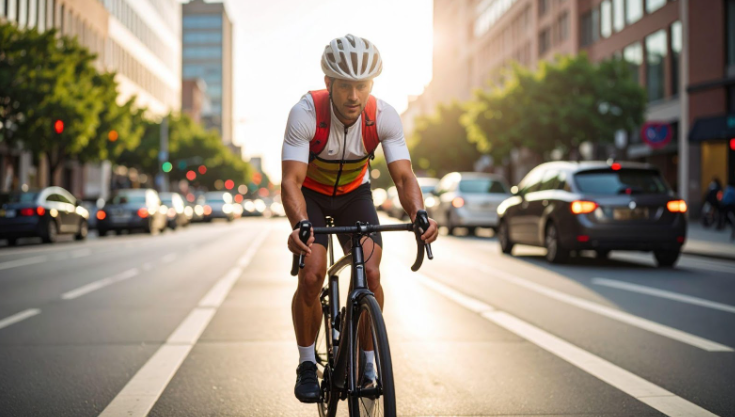
On a calm evening in Ridgewood a short ride can feel timeless. Kids head to the library, neighbors roll to the train, and the town’s rhythm makes cycling seem like the most natural way to move. It is a good picture to hold. It is also incomplete. Across the country the risk to people on bikes remains stubbornly high, which turns a local conversation into a national one.
According to NHTSA Traffic Safety Facts for bicyclists in 2023 there were 1,166 bicyclists killed in motor vehicle traffic crashes last year and an estimated 49,989 injured. Those numbers set the stage for a simple question that fits Ridgewood values. What can riders and drivers control today and where does the law step in when prevention fails.
Many Ridgewood families spend time in Florida during winter. That travel pattern is why early legal planning matters. A rider who gets hurt while visiting the Gulf Coast may need a bicycle injury attorney in Sarasota to sort out the evidence, deal with insurance and explain how Florida’s fault rules work. Local knowledge does not replace recovery, it protects it.
The national picture that every local rider should know
Federal safety experts keep seeing the same patterns. Most bicyclist deaths now occur on urban streets and common crash factors include failing to yield the right of way and low cyclist visibility. These themes appear in the NHTSA bicycle safety overview, which distills lessons from years of crash investigations into simple steps that work in real traffic.
The dollars behind the tragedy explain why this matters beyond personal grief. The League of American Bicyclists notes that the federal estimate of total societal cost per bicyclist death is $10,495,944, and that the 2023 toll approaches twelve billion dollars when scaled nationally. The figures come from the League’s 2025 analysis of bicyclist deaths and costs and reflect medical care, lost income, legal costs, insurance administration, and lost quality of life. For a town that believes in markets those are real prices that someone pays.
Why Florida keeps showing up as a hotspot
Ridgewood may feel safer than Florida, yet Florida is a pretty loud alarm bell. In a review of 200 big counties, seven of the ten most dangerous for people on bikes were in Florida, with Sarasota high on the list. The findings are summarized in The Guardian’s report on the deadliest counties for cyclists, which draws on federal fatality data and explains why fast multi lane corridors and tourism heavy traffic make riding risky.
The contrast can be jarring. The same metro area that hosts a historic BMX track also records severe crashes on busy arterials. Local cycling culture can be strong and still exist beside roads that are unforgiving to anyone outside a car. That tension is exactly what winter visitors feel when a quiet morning trail ride ends with a stressful street crossing in the afternoon.
Liability after a crash and what the law actually asks
When a bike crash happens, the same core questions usually come up. Who had a duty to be careful? Did someone fail to meet that duty? Did that failure lead to the injury? What real world proof supports that story? In most bicycle cases the answers come from familiar pieces of evidence such as police reports, medical records, photos or video, visible damage and witness statements.
Behind the forms and reports, the expectation is not complicated. Drivers watch for bikes, respect signs and yield when needed. Riders act like part of traffic and keep their line predictable. That simple mix does more to prevent legal fights than any speech about safety.
Safety lessons Ridgewood riders can borrow from Florida
Florida earns its bad reputation the hard way. Long straight roads, fast traffic, phones in hands. Ridgewood is smaller, but the same ingredients are here too.
A few quiet choices make everyday rides less risky:
- Pick the back street instead of the quick cut through, even if it adds a minute. Slower traffic is easier to share.
- Put lights on the bike and use them. A small blinking light is easier to see than a dark jacket against parked cars.
- Hold a straight line instead of diving in and out between parked cars, so drivers can tell where you will be.
- At junctions, ease off the pedals and actually look at the driver. If you are not sure they have seen you, wait a moment.
These are not big hero moves. They are just small habits that make it more likely you ride home in one piece.
What to do in the minutes after a crash
Even careful riders can be hit by an impatient turn or a phone glance at the wrong moment. The first minutes shape health outcomes and legal claims, so a plain checklist helps.
- Step out of the flow of cars if you can and tell someone to call 911 for you.
- Accept an exam from the medics, because problems inside your head or body may appear later.
- Ask for an incident number and give a calm factual statement. Avoid guessing about speed or accepting blame.
- If you can move, document the scene with your phone, including your bike and injuries.
- Ask how to reach the driver and witnesses and store every related document together.
If the crash happens while visiting Florida, talk with counsel who handles bike cases in that state before recorded conversations with insurers. A local perspective on evidence, fault, and medical documentation can prevent low settlement offers and missed deadlines. Travelers who split time between Ridgewood and the Gulf Coast are the very people who benefit from this planning.
Why it matters for Ridgewood
From Ridgewood to Sarasota the story is really the same. Bikes are part of everyday life, yet the numbers show that riders stay vulnerable and that bad design and bad choices carry a real cost. If we ride in ways that are easy to read, drive with a little more patience and know what to do and who to call after a crash, we give ourselves a better chance to keep these trips as rides, not as legal cases. That is true on Maple Avenue, on Florida’s Gulf Coast and everywhere in between.







