
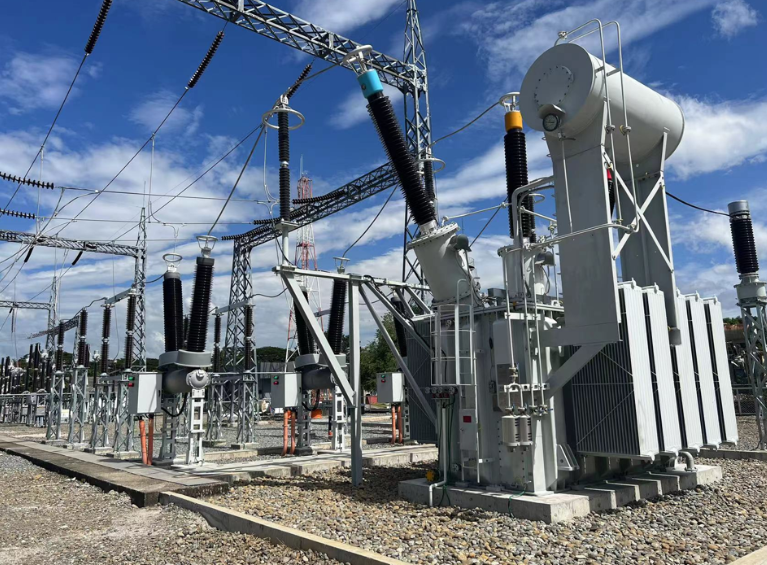
New DOE Study Warns the nation’s transmission infrastructure requires a massive overhaul
the staff of the Ridgewood blog
Trenton NJ, The U.S. electric grid is facing an unprecedented surge in demand, and federal officials are sounding the alarm. The U.S. Department of Energy’s (DOE) Office of Electricity has officially released its draft of the 2026 National Transmission Needs Study, kicking off a 60-day public comment period on what could be the most critical infrastructure roadmap of the decade.
The verdict is clear: if the United States wants to keep the lights on while expanding domestic manufacturing, building out advanced tech hubs, and integrating clean energy, the nation’s transmission infrastructure requires a massive overhaul.
The Drivers: Data Centers, Industry, and Economic Growth
For decades, electricity demand across the country remained relatively flat. That era is officially over.
“Electricity demand is accelerating faster than anything we’ve seen in decades, driven in part by data centers, manufacturing growth, and new forms of industry that are emerging almost by the month,” warned Catherine Jereza, Assistant Secretary for the DOE’s Office of Electricity.
A perfect storm of factors is currently pushing the grid to its limits:
-
The AI and Data Center Boom: Massive computing hubs require massive, uninterrupted baseload power.
-
Domestic Manufacturing Resurgence: New industrial facilities are spinning up nationwide, demanding immediate grid hookups.
-
Accelerated Electrification: The shift toward electric vehicles and home electrification is compounding regional power burdens.
3 Key Findings from the 2026 Grid Assessment
The study, mandated under the Federal Power Act (formerly the National Electric Transmission Congestion Study), analyzed current and projected capacity bottlenecks. Three major takeaways stand out:
1. The “5% Crunch” and Local Bottlenecks
The report notes that the vast majority of grid congestion happens during just 5% of annual hours. These critical pinches happen during periods of extreme cold weather, high net load, real-time market price differences, or spikes in intermittent renewable generation. The DOE points to within-region upgrades in the New York Independent System Operator (NYISO), NorthernGrid South, and the Midcontinent Independent System Operator (MISO) as immediate solutions to relieve this regional congestion.
2. The Power of Interregional Connections
Connecting separate regional power grids is the ultimate secret weapon for grid resilience. When one area experiences an extreme weather event or a sudden capacity shortage, an interregional link allows it to import power from a stable neighbor. The DOE’s historical data reveals that building stronger links between the Western and Eastern Interconnections—as well as between ISO New England and NYISO—has the highest potential to slashed consumer congestion costs.
3. Record-Breaking Portfolios Are Already Rolling Out
Regional grid operators aren’t sitting still. Major entities like the Southwest Power Pool (SPP), PJM Interconnection, and the Electric Reliability Council of Texas (ERCOT) have greenlit some of their largest transmission investment portfolios in history. Notably, MISO recently approved the single largest transmission portfolio in U.S. history to tackle these exact constraints.
How to Make Your Voice Heard
The DOE isn’t finalizing these findings in a vacuum. The agency is actively seeking feedback from utilities, state regulators, Tribal Nations, and local communities. A series of in-person roundtable discussions will take place across the country throughout the summer of 2026.
The public comment period officially closes on September 7, 2026. Stakeholders interested in looking over the data can access an informational webinar directly through the DOE Office of Electricity.
Follow the Ridgewood blog has a brand-new new X account, we tweet good sh$t
https://x.com/TRBNJNews
https://truthsocial.com/@theridgewoodblog
https://mewe.com/jamesfoytlin.74/posts
#news #follow #media #trending #viral #newsupdate #currentaffairs #BergenCountyNews #NJBreakingNews #NJHeadlines #NJTopStories
#EnergySector #Infrastructure #DataCenters #GridReliability #CleanEnergy #USGovernment #TechNews





