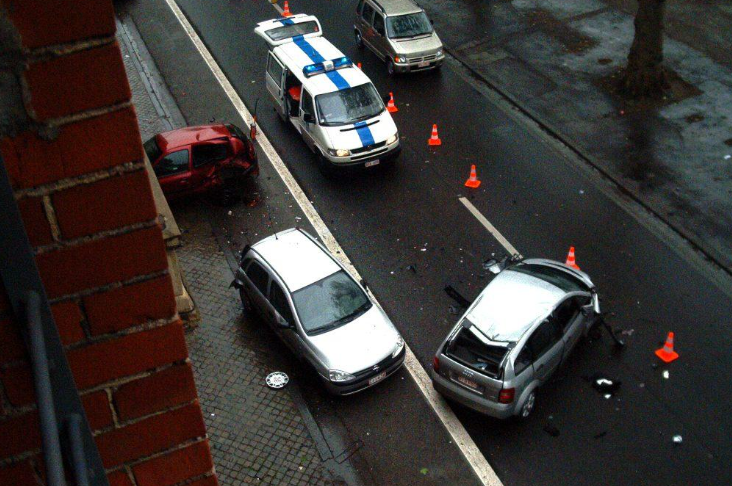
Long Island is known for its bustling highways, scenic parkways, and heavy traffic. From the Long Island Expressway to Sunrise Highway, accidents can happen in an instant—often leaving victims facing serious injuries, expensive repairs, and emotional distress. When these crashes occur, determining who was at fault becomes one of the most important steps in seeking compensation.
That’s where experienced Long Island car accident lawyers come in. These legal professionals know how to gather evidence, analyze details, and build strong cases that clearly establish liability.
Proving fault after a car accident isn’t always straightforward. Insurance companies often try to deny responsibility or shift blame onto the victim. However, skilled car accident lawyers use a combination of evidence, expert testimony, and legal strategy to uncover the truth. Here’s how they do it.
- Reviewing the Police Report
The first step most lawyers take is obtaining and reviewing the police report. When law enforcement responds to an accident, they document important details such as:
- The location, time, and conditions of the crash
- Statements from drivers, passengers, and witnesses
- Diagrams of vehicle positions
- Any traffic citations issued at the scene
This report often provides an initial perspective on who may be at fault. While not conclusive, it serves as a foundational piece of evidence that lawyers can build upon.
- Gathering Physical Evidence from the Scene
A strong case requires tangible proof. Attorneys often collect or review photographs, videos, and physical evidence from the crash site. This can include skid marks, debris, vehicle damage, or even surveillance footage from nearby businesses or traffic cameras.
An experienced Long Island car accident lawyer understands how to interpret these details. For example, long skid marks might indicate a driver was speeding or failed to brake in time, while vehicle damage patterns can reveal the direction and force of impact.
- Interviewing Witnesses
Eyewitness accounts can be crucial in proving fault. Lawyers identify and interview anyone who saw the accident occur—such as pedestrians, other drivers, or nearby residents. Witnesses can help confirm important details, like which car ran a red light or whether one driver appeared distracted before the collision.
Since memories fade over time, attorneys act quickly to secure these statements early in the process. A well-documented witness statement can significantly strengthen a claim.
- Consulting Expert Witnesses
In more complex cases, lawyers bring in experts to support their findings. Accident reconstruction specialists, for instance, use physics and engineering principles to recreate how a crash occurred. They analyze vehicle positions, speeds, and impact angles to determine exactly who caused the collision.
Medical experts may also testify about how the injuries align with the type of crash, helping to connect the dots between negligence and harm. Expert testimony often carries significant weight in negotiations and in court.
- Reviewing Traffic Laws and Regulations
Long Island roads are governed by New York traffic laws, and violations of these laws often help establish fault. Lawyers review whether any driver broke rules related to speeding, yielding, using a phone while driving, or operating under the influence.
If a driver violated a traffic law, that act of negligence can serve as strong evidence of liability. Lawyers use these violations to build a clear, fact-based argument showing the other party’s responsibility.
- Obtaining Vehicle and Electronic Data
Modern vehicles often contain “black box” data recorders that store key information like speed, brake usage, and steering input just before an impact. Lawyers can obtain this data, along with cell phone records or dashcam footage, to further prove negligence.
For example, data showing that a driver accelerated before a collision or was texting moments before impact can be powerful evidence of fault.
- Negotiating with Insurance Companies
Once evidence is gathered, lawyers use it to counter insurance company tactics. Insurers may try to minimize your claim or suggest that you were partially at fault. A car accident lawyer presents clear, organized evidence to challenge these arguments, ensuring that fault is accurately assigned and fair compensation is pursued.
If negotiations fail, the attorney can file a lawsuit and present the case before a jury—using the same detailed evidence to demonstrate fault beyond doubt.
Key Takeaways:
- Proving fault in a car accident requires a thorough investigation and a clear understanding of the law.
- A car accident lawyer gathers crucial evidence, including police reports, physical evidence, and witness statements.
- Expert witnesses, such as accident reconstructionists, often play a key role in establishing liability.
- Lawyers use data, traffic law violations, and negotiation skills to hold negligent drivers accountable.
- Having experienced legal representation ensures insurance companies treat your claim fairly.