
Selecting the right generator for your home can be a daunting task, especially with the myriad options available today. A durable home generator isn’t just about having a backup for power outages; it’s a long-term investment that ensures peace of mind during unexpected situations. Understanding your energy requirements and evaluating the different features that contribute to durability and reliability are crucial steps. Whether you’re considering traditional fuel types like gasoline or exploring modern energy solutions like solar and battery systems, there are key considerations to keep in mind to ensure you make the best choice for your household’s needs.
Determine Your Home’s Power Needs Before Buying
Before purchasing a generator, it’s essential to calculate the power needs of your home. Different homes have different power requirements, making it crucial to determine which appliances and systems are necessary during a power outage. Understanding your home’s energy consumption helps in choosing a generator that matches those needs to ensure all essential appliances continue working seamlessly.
Calculate Total Wattage for Essential Appliances
The first step in assessing your power needs is identifying the total wattage required by essential appliances. Start by making a list of items you cannot do without during an outage, such as refrigerators, heating systems, and lights. Each appliance has a specific wattage rating. Add up these numbers to find your total wattage requirement. For example, a refrigerator might require 700 watts while a central heating unit requires 1500 watts. Knowing these figures helps you select a generator capable of handling your entire home’s critical load comfortably.
Understand Starting Watts vs. Running Watts
Wattage requirements can be divided into two categories: starting watts and running watts. Starting watts refer to the extra power needed to start electric motors, which can be significantly higher than running watts, the power required to keep them running. For instance, a refrigerator may need 2200 starting watts but only 700 running watts. It is crucial to choose a generator that can handle both starting and running watts to ensure smooth operation of your appliances during power outages and avoid unexpected shutdowns.
Evaluate Key Features That Ensure Durability and Reliability
A generator’s durability is determined by several important features. These features ensure that it not only performs well but also lasts in different conditions.
Engine Quality and Weather-Resistant Design
High-quality engines are crucial for durability. Look for generators with robust engines capable of withstanding prolonged use. Additionally, a weather-resistant design can significantly impact the longevity of the generator. A well-designed housing that shields the generator from harsh elements like rain, snow, and extreme temperatures is important. The Anker SOLIX E10 Whole-Home Backup System, for instance, boasts premium waterproofing and can function between -4°F to 131°F, ensuring reliability in any climate.
Automatic Transfer Switch and Safety Systems
An automatic transfer switch (ATS) ensures your generator kicks in without manual intervention during power outages, maintaining uninterrupted power. Look for systems with this feature for added convenience. Safety systems are equally critical, as they protect both the generator and your home’s electrical systems. Overload protection and safety shut-off features provide peace of mind by preventing equipment damage and fire hazards.
Smart Monitoring and Energy Management
Smart features can greatly enhance the functionality of a generator for house. Solutions like those found in modern backup systems offer smart monitoring, providing real-time insights into energy consumption and generator performance. Energy management systems optimize the load distribution for efficiency. Smart technology allows users to make informed decisions about energy usage, ensuring the generator operates efficiently and effectively.
Compare Fuel Types and Modern Energy Options
When choosing a generator, consider the various fuel types and modern energy solutions available.
Gasoline, Propane, and Diesel Generator Options
Traditional generators typically run on gasoline, propane, or diesel. Gasoline generators are popular for their initial low costs and ease of availability, but can be less efficient for long-term use. Propane generators are known for cleaner emissions and longer shelf life, while diesel generators offer robust performance and fuel efficiency. Each has benefits and drawbacks; evaluate them based on your specific needs and budget.
Solar and Battery-Based Home Backup Systems
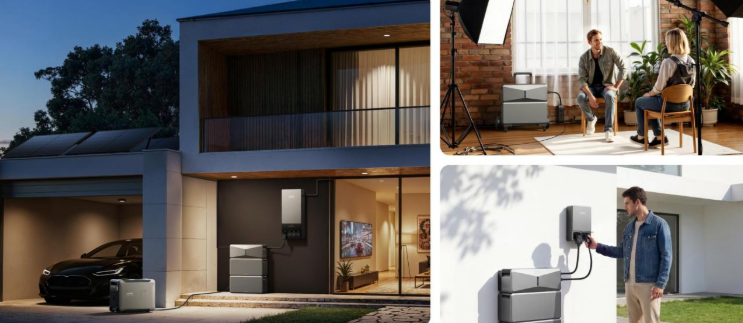
Modern options like solar and battery-based systems present environmentally friendly alternatives. Systems like the Anker SOLIX E10 combine solar power and smart generators to provide sustainable energy. Solar panels harness sunlight, while integrated batteries store energy for use during outages, offering an economical and green solution. These setups reduce reliance on fossil fuels and decrease long-term energy costs.
Hybrid Energy Systems for Long-Term Reliability
Hybrid systems that combine multiple energy sources offer enhanced reliability. The Anker SOLIX E10 system, for example, can expand to offer 30kW turbo output and 22.8kW continuous output, catering to large energy demands for high-consumption families. These systems can switch seamlessly between energy sources, optimizing performance while minimizing costs. Long-term, hybrid setups can provide consistent power while adapting to varying energy needs.
Conclusion
Choosing a durable generator for your home involves multiple considerations, from identifying your power needs to evaluating various features and fuel types. Systems like the Anker SOLIX E10 demonstrate the future of generator technology by uniting traditional and modern energy solutions into hybrid setups. By carefully assessing wattage requirements, key features, and energy options, you can select a reliable generator that meets your household’s needs and withstands varied environmental conditions. This ensures your home remains powered and protected during outages, providing peace of mind through every storm or blackout.





