The 4,000-Year-Old Secret Behind Your Favorite Mediterranean Salad
photos courtesy of Tabboule Lebanese Cuisine
the staff of the Ridgewood blog
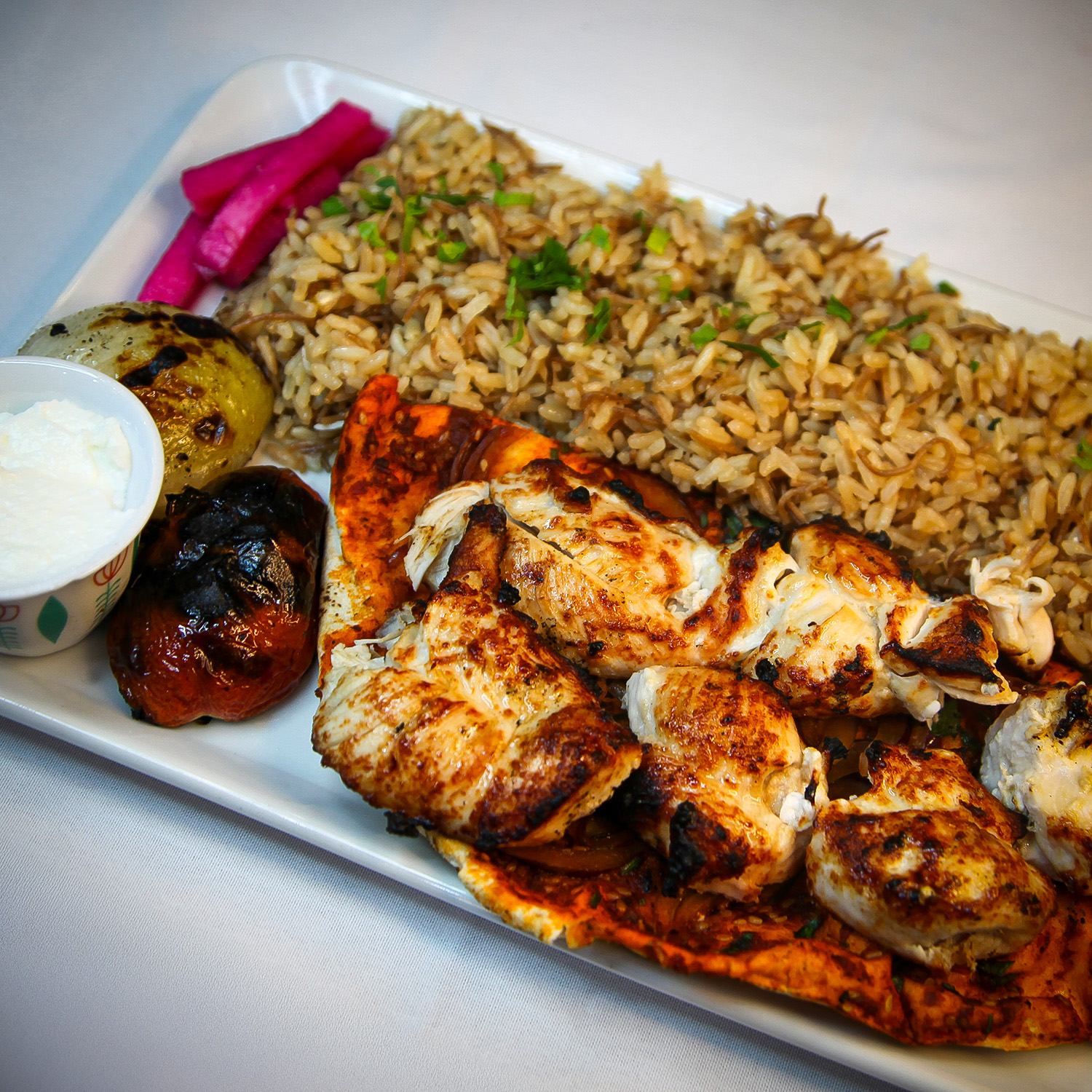
Ridgewood NJ, Looking for the best Mediterranean food in Bergen County? Tabboule Lebanese Cuisine in Ridgewood, NJ, isn’t just a restaurant—it’s a portal to the ancient Fertile Crescent. Known for its lively ambiance and “hidden gem” status, this local favorite serves authentic, homemade dishes where every bite represents 4,000 years of culinary evolution.
The Secret of the “Greens of the Grain”
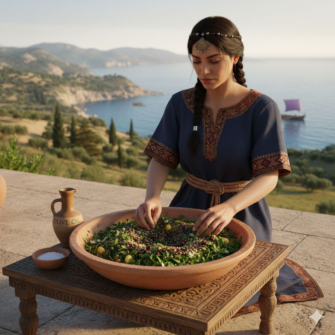
If you could travel back in time and ask an ancient Phoenician for “Tabbouleh,” they might look at you with confusion. But show them a bowl of fresh herbs and cracked wheat, and they would immediately recognize “Yoroq Dagon”—the Greens of the Grain.
While we love the modern version with zesty lemon and ripe tomatoes, the “soul” of this dish—bulgur wheat and mountain herbs—has been a staple of human civilization since the Bronze Age.
From Mesopotamia to Ridgewood: A Culinary Timeline
1. The Mesopotamian Roots (The Invention of Bulgur)
Around 4,000 years ago, in modern-day Iraq, the Chaldeans and Akkadians revolutionized agriculture by inventing bulgur. By parboiling, sun-drying, and cracking wheat, they created a “super-grain” resistant to mold and insects.
-
The Name: Food historians trace “Tabbouleh” to the Akkadian verb bālalū, meaning “to mix” or “to moisten with oil.”
-
The Original Dish: It started as a dense, nutritious mash of cracked wheat and wild herbs like alfalfa to provide essential vitamins during long winters.
2. The Phoenician Refinement
As the Phoenicians rose to power along the Lebanese coast (c. 1500–300 BCE), they elevated this survival porridge into a Mediterranean delicacy.
-
The Herb Shift: Utilizing the bounty of the Lebanese mountains, they added massive amounts of parsley and mint, creating the herb-heavy profile we recognize today.
-
Trade Influence: Phoenician sailors used high-quality olive oil and sea salt, making the dish a portable, long-lasting meal for their famous maritime trade routes.
Tabbouleh Before Tomatoes?
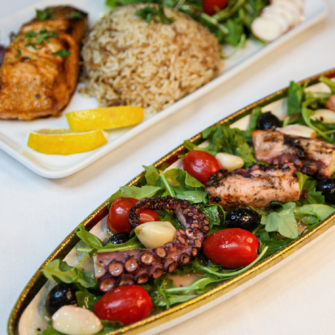
Did you know that the “authentic” ancient version of your favorite salad looked quite different?
-
No Tomatoes: These didn’t arrive from the Americas until the 1500s.
-
No Lemons: Before citrus was introduced, ancient chefs used verjuice (sour grape juice) or sumac to provide that signature tang.
Experience the Legacy at Tabboule in Ridgewood
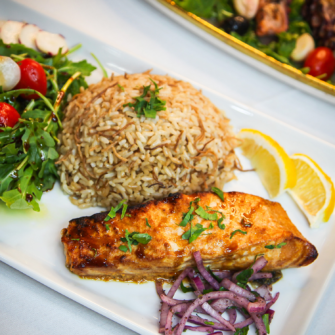
At Tabboule Lebanese Cuisine, we honor this ancient heritage by using only the finest quality ingredients and the freshest vegetables. Whether you are a regular or visiting us for the first time, our menu offers a blend of consistent favorites and fabulous daily specials.
-
Location: 39 E Ridgewood Ave, Ridgewood, NJ 07450
-
Vibe: Lively ambiance, excellent service, and authentic homemade flavors.
Tell your story #TheRidgewoodblog , #Indpendentnews, #information, #advertise, #guestpost, #affiliatemarketing,#NorthJersey, #NJ , #News, #localnews, #bergencounty, #sponsoredpost, #SponsoredContent, #contentplacement , #linkplacement, Email: [email protected]
-
Tags: #RidgewoodNJ #BergenCountyEats #LebaneseCuisine #Tabboule #FoodHistory #NJRestaurants #MediterraneanDiet #AncientGrains